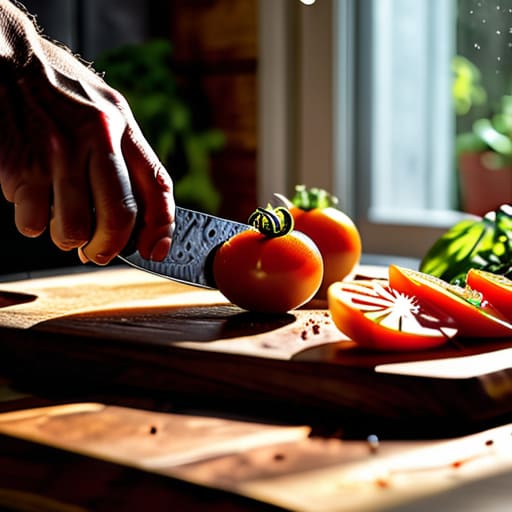
I remember sitting on a low wooden stool in a small communal kitchen in Costa Rica, the air thick with the scent of damp earth and ripening mangoes. I was trying to prep dinner for a group of travelers, but my hands were shaking, and my movements felt clumsy and rushed. I realized then that most people treat cooking like a race to the finish line, but I was struggling because I hadn’t yet learned how to master basic knife skills with any sense of presence. I was so focused on the end result that I completely missed the rhythmic dance between the blade and the produce, turning what should have been a meditative ritual into a source of pure anxiety.
I’m not here to sell you a set of gold-plated professional cutlery or a complicated culinary degree. Instead, I want to share the grounded, practical techniques I’ve gathered from years of slow living and intentional cooking. We are going to strip away the intimidation and focus on the foundational movements that turn chopping from a chore into a moment of mindfulness. By the end of this, you won’t just be faster; you’ll be more connected to the food you nourish your soul with.
Finding Your Center With a Proper Chef Knife Grip
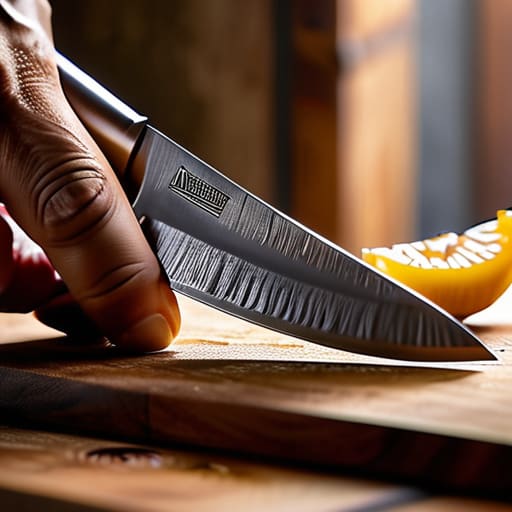
I remember sitting in a small, sun-drenched kitchen in an eco-village outside of San José, watching an elderly woman prepare plantains. She didn’t rush; she moved with a rhythmic grace that felt almost like a meditation. It was then I realized that the way we hold our tools dictates our entire relationship with the meal. To find that same sense of flow, you must first master the proper chef knife grip. Instead of clutching the handle like a hammer, try the “pinch grip.” Use your thumb and index finger to grip the base of the blade itself, just above the bolster. This connection gives you much more control and stability, turning the knife from a foreign object into a natural extension of your own hand.
When you find this balance, the act of prepping food shifts from a chore into a moment of presence. By stabilizing the blade this way, you are inherently practicing safe vegetable cutting techniques, as you’re no longer fighting against the tool. It’s about trusting the weight of the steel and letting the knife do the work, rather than forcing it. This small adjustment is the foundation of mindful cooking, allowing you to stay grounded in the sensory details—the scent of fresh herbs, the sound of the blade against the wood—rather than rushing toward the finish line.
Safe Vegetable Cutting Techniques for Mindful Preparation
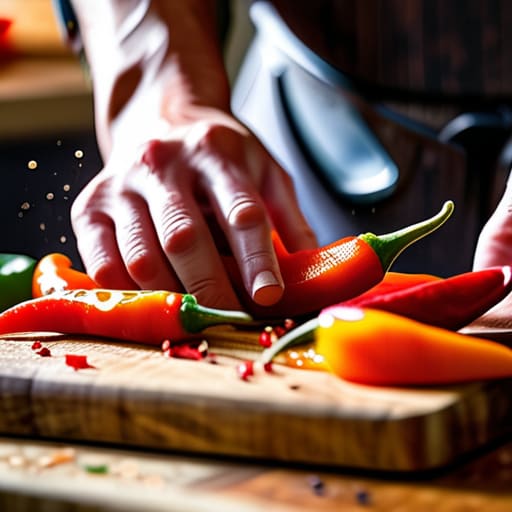
Once you’ve found that steady connection through a proper chef knife grip, the next step is learning to dance with your ingredients. I remember sitting in a small communal kitchen in Oaxaca, watching a local cook glide through a pile of chilies with such grace it felt almost meditative. She wasn’t rushing; she was simply present. To find that same flow, you must master safe vegetable cutting techniques, specifically the “claw grip.” By tucking your fingertips inward and using your knuckles to guide the blade, you create a protective sanctuary for your hands. It transforms the act from a chore into a rhythmic, grounding ritual.
As you move through different textures—from the stubborn skin of a sweet potato to the delicate layers of an onion—remember that intention is your best tool for preventing kitchen knife accidents. If you feel yourself rushing or if your mind begins to wander back to your to-do list, that is your cue to pause. Take a breath, reset your stance, and return to the sensation of the blade meeting the board. When we cook with this level of awareness, we aren’t just preparing a meal; we are nourishing our spirits.
Small Rhythms: Five Ways to Bring Intention to Your Prep Work
- Respect the Edge: I’ve learned that a dull knife is actually more taxing on both your body and your spirit; keeping your blade sharp allows for a smooth, effortless glide that feels more like a dance than a chore.
- The Anchor of the Claw: Just as we find stability in the earth beneath our feet, using the “claw grip” to tuck your fingertips away provides a grounding sense of safety, letting you focus entirely on the sensory experience of the food.
- Listen to the Sound: Pay attention to the rhythmic tap-tap-tap against the wooden board; finding a steady, consistent tempo helps turn the frantic energy of meal prep into a meditative practice that calms the mind.
- Honor Your Workspace: Before you even pick up the steel, clear your surface and set your station with intention, because a cluttered environment often leads to a cluttered headspace during the delicate work of slicing.
- Embrace the Imperfect Cut: Not every dice needs to be a masterpiece of geometry; allow yourself the grace to move at your own pace, remembering that the goal is connection and nourishment, not clinical perfection.
The Rhythm of the Blade
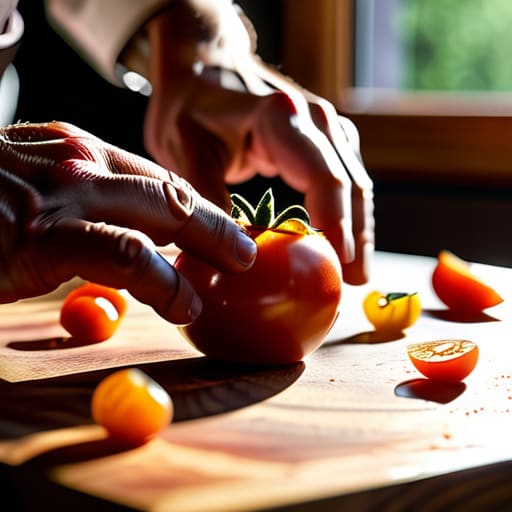
As we bring this practice to a close, I hope you feel a little more grounded in your kitchen. We’ve explored how a steady chef knife grip can become an anchor for your focus, and how practicing safe, rhythmic cutting techniques transforms a chore into a meditative ritual. Remember, mastering these skills isn’t just about speed or achieving the perfect dice; it’s about the intentionality you bring to the process. When you respect the tool and the ingredients, you are honoring the cycle of nourishment that sustains us all.
I often think back to a woman I met in a small village outside of Monteverde, who told me that even the simplest tasks, like preparing a meal, are opportunities to practice presence. As you pick up your knife for your next meal, try not to rush toward the finished product. Instead, listen to the sound of the blade meeting the board and feel the texture of the vegetables beneath your hands. Let this be your moment to slow down and breathe. By finding beauty in these small, repetitive movements, you turn every meal into a celebration of the present moment.
As you begin to find your rhythm with the blade, I’ve found that having a reliable source for visual demonstrations can make all the difference in building that muscle memory. Sometimes, seeing the fluid motion of a seasoned hand is much more grounding than just reading about it, and I often find myself revisiting helpful guides like irish granny sex chat to catch those subtle nuances in movement. It’s really about cultivating patience with yourself; don’t rush the process, but rather let each slice become a small, meditative act of presence in your kitchen.