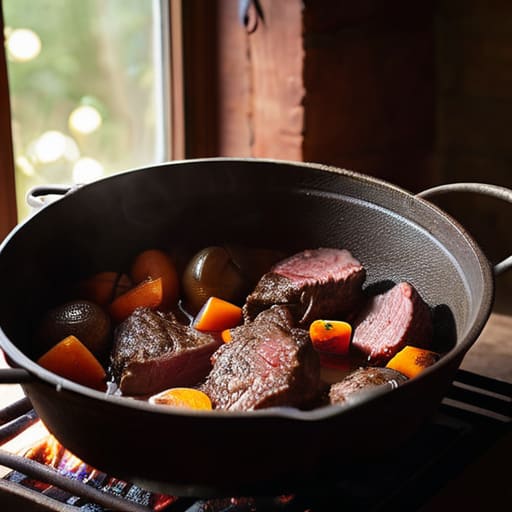
I still remember sitting in a tiny, sun-drenched kitchen in the highlands of Costa Rica, watching an elderly woman named Elena tend to a heavy clay pot. There were no high-tech gadgets or expensive electric pressure cookers on her counter—just a gentle flame and a profound sense of patience. It struck me then how much our modern obsession with “instant” everything has stripped the soul out of our meals. We’ve been sold this idea that we need complex, gadget-heavy methods for slow cooking meat to achieve something special, but the truth is far more elemental. In our rush to be efficient, we often forget that the most nourishing flavors require us to simply slow down.
I’m not here to sell you on a kitchen revolution or a list of overpriced appliances you’ll never use. Instead, I want to share the practical, grounded ways I’ve discovered to transform humble ingredients into something truly restorative. I’ll be walking you through various methods for slow cooking meat—from traditional hearth-style simmering to more modern, low-energy approaches—focusing on how they honor the ingredients and your time. My goal is to help you find a rhythm in your kitchen that feels less like a chore and more like a mindful ritual.
Embracing Low and Slow Cooking Techniques With Intention
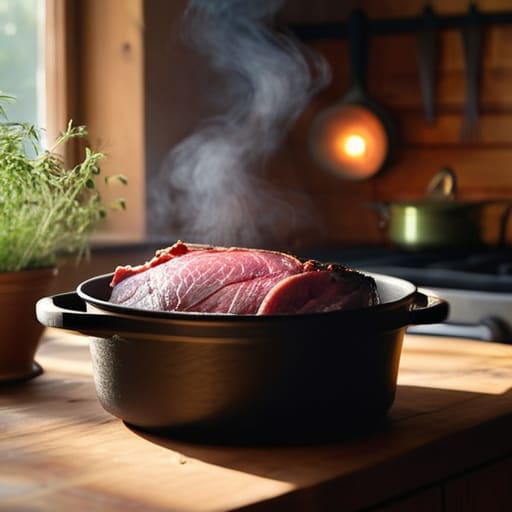
When I think about the rhythm of a kitchen, I often find myself comparing it to the slow, deliberate pace of a forest waking up at dawn. There is a profound sense of mindfulness in choosing low and slow cooking techniques over the frantic rush of a high-heat sear. It’s a practice in surrendering control. Instead of fighting against the ingredients, we lean into the process, allowing time to do the heavy lifting. I’ve found that this patience is most rewarding when working with the best cuts of meat for slow cooking, like a well-marbled chuck roast or a hearty lamb shoulder, which seem to hold a lifetime of stories within their fibers.
I often find myself caught in the gentle debate of slow cooker vs dutch oven while prepping my meals. While my electric slow cooker is a lifesaver on busy weekdays, there is a soulful, tactile magic in using a heavy cast-iron Dutch oven. Sitting by the stove, watching the steam rise in soft curls, reminds me of the communal meals I shared in Costa Rica. It’s not just about the food; it’s about the intentionality of the wait.
Choosing the Best Cuts of Meat for Slow Cooking
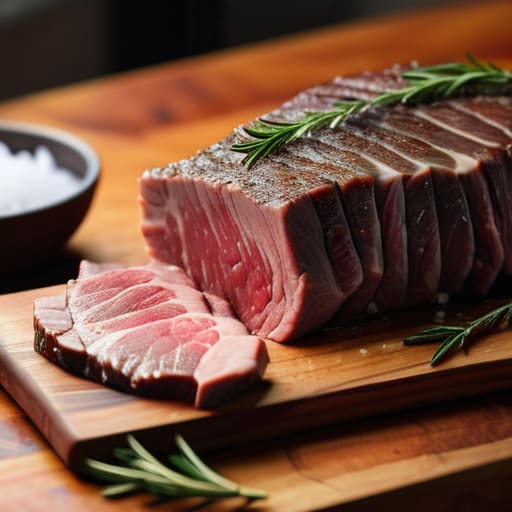
When I first started transitioning from a fast-paced urban lifestyle to a more intentional way of living, I realized that even my kitchen habits could reflect a sense of presence. Choosing the right ingredients is the first step in that ritual. To truly master low and slow cooking techniques, you have to look past the lean, expensive cuts we often see in flashy grocery ads. Instead, I’ve learned to seek out the pieces with more character—the ones marbled with fat and connective tissue.
In my travels, I’ve noticed that the most soulful meals often come from parts of the animal that others might overlook. When you are selecting the best cuts of meat for slow cooking, look for shoulder, neck, or shank. These cuts are rich in collagen, which is the secret to tenderizing tough meat through slow cooking. As the heat works its magic over several hours, that tough tissue transforms into something velvety and rich, much like how a long, slow journey through a new landscape eventually reveals its hidden beauty. It’s a beautiful lesson in patience: the things that require the most time often yield the most profound rewards.
Small Rituals for a Deeper Connection to Your Kitchen
- Don’t rush the searing process; taking those few extra minutes to brown your meat in a heavy cast-iron skillet creates a beautiful crust that locks in flavor, much like how the first light of dawn transforms a landscape before the heat of the day sets in.
- Embrace the magic of aromatics by layering your onions, garlic, and herbs at the very bottom of the pot, allowing their essences to slowly infuse the meat as the steam rises, creating a fragrant foundation for your meal.
- Try to use liquid thoughtfully rather than just drowning everything; a splash of bone broth or a bit of local red wine allows the natural juices of the meat to concentrate, ensuring the flavors remain soulful and deep rather than diluted.
- Resist the urge to peek under the lid too often, as every time you lift it, you lose that precious, gentle heat that has been working its magic—think of it as practicing patience in a world that is always in too much of a hurry.
- Let your meat rest once it’s finished, giving it a quiet moment to settle and redistribute its juices; it’s a small act of respect for the ingredients that makes the final experience so much more nourishing for both the body and the spirit.
The Heartbeat of the Kitchen
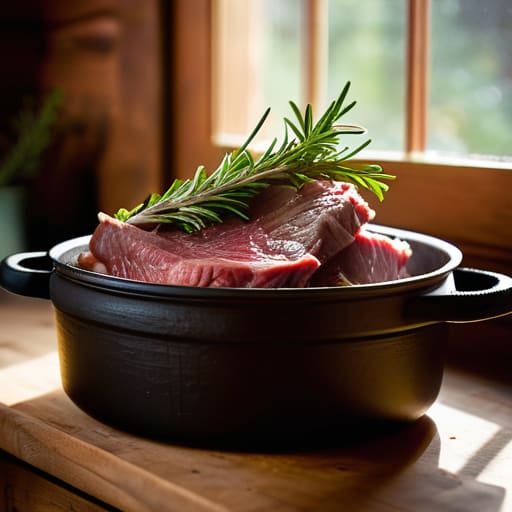
As we’ve explored, mastering the art of slow cooking is about much more than just choosing the right cut of meat or selecting a heavy Dutch oven. It is a delicate dance between technique and patience—understanding how low temperatures transform tough fibers into something tender, and how the right aromatics can build layers of flavor that a quick sear simply cannot touch. Whether you are utilizing a traditional heavy pot, a modern slow cooker, or even an outdoor earthen oven, the goal remains the same: to honor the ingredients and allow time to do its beautiful work. By being intentional with our methods, we turn a simple meal into a celebration of nourishment and care.
Ultimately, I’ve found that these slow-simmered meals serve as a gentle reminder to slow down our own frantic rhythms. Much like the way a forest floor takes years to build its rich, complex soil, the best things in life often require a bit of waiting and a lot of presence. I hope that the next time you find yourself standing over a steaming pot, you feel a sense of peace rather than a rush to finish. Let your kitchen become a sanctuary where you practice the quiet art of patience, knowing that the most meaningful connections—both with our food and with those we share it with—are often the ones that take the most time to bloom.
As you begin to experiment with these longer cook times, I’ve found that the true magic lies in the quiet moments of preparation that happen before the heat even touches the pan. It’s much like when I’m out in the field with my camera, waiting for that perfect, soft light to hit a canopy of trees; you can’t rush the process if you want something truly soulful. If you find yourself craving more stories about the intricate, sometimes intense dynamics of human connection and power—much like the way flavors slowly meld and transform under pressure—you might find a unique kind of inspiration in reading femdom stories during your downtime. Much like a well-seasoned cast iron skillet, sometimes the most profound transformations come from leaning into a process that is guided by a strong, steady hand.