I still remember sitting in a tiny, sun-drenched kitchen in a small Costa Rican village, watching an elderly woman prepare a simple meal over an open flame. She didn’t have a shelf full of designer bottles or expensive, branded labels; she simply had a deep, intuitive sense of which fats to use for which heat. It felt worlds away from the overwhelming, often confusing marketing we face in our grocery aisles today. Honestly, I’m so tired of the wellness industry acting like understanding different types of cooking oils requires a chemistry degree or a massive budget. We’ve been led to believe that unless it’s in a fancy glass bottle with a high price tag, it isn’t “clean” or “sustainable,” and frankly, that’s just not the truth.
In this post, I want to strip away the hype and get back to basics. I’m going to share what I’ve learned from years of environmental consulting and mindful living to help you navigate your pantry with confidence. We’ll look at how to choose fats that are truly kind to your body and the planet, without the unnecessary fluff.
The Wisdom of Healthy Fats for Cooking
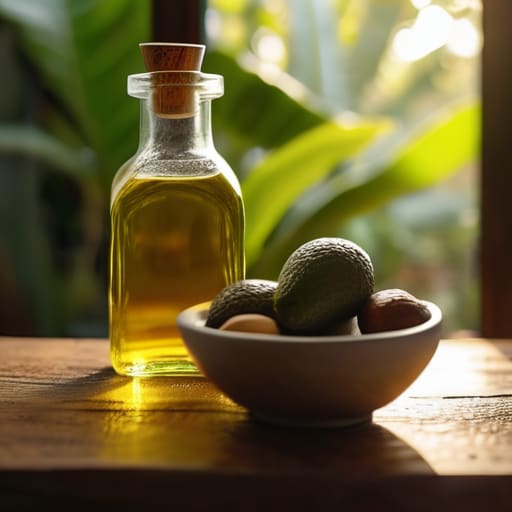
Whenever I find myself back in my kitchen, especially after a long day of hiking, I think back to the communal meals I shared in Costa Rica. There was a beautiful simplicity in how we used what the land provided. I’ve come to realize that choosing healthy fats for cooking isn’t just a culinary decision; it’s a way of honoring the energy we put into our bodies. Just as we choose our travel paths with intention, choosing the right fat allows us to nourish ourselves with respect for both our health and the environment.
As I’ve delved deeper into my own kitchen rituals, I’ve learned that the magic often lies in the details, like the smoke point of cooking oils. It’s a bit like knowing when to speak softly in a quiet forest—you have to respect the environment you’re working in. For instance, while I adore the rich, earthy essence of extra virgin olive oil for drizzling over fresh greens, I’ve learned to reach for something more stable when the pan starts to sizzle. Understanding how to match the oil to the heat is a small, mindful practice that makes all the difference in the final dish.
Saturated and Unsaturated Fats a Mindful Distinction
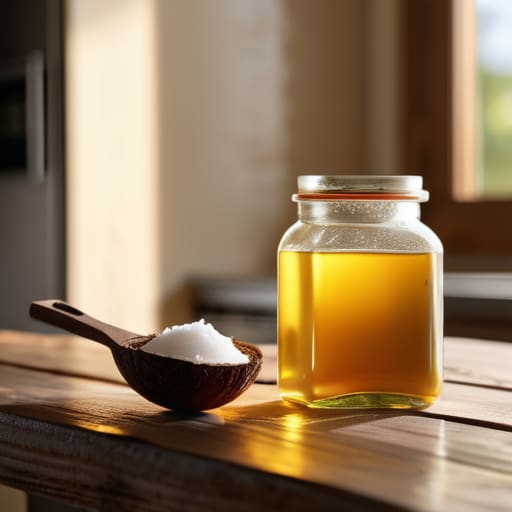
As I sit here in my sun-drenched kitchen, watching the light dance across my spice jars, I often think about how much complexity is hidden in something as simple as a bottle of oil. When we dive into the difference between saturated and unsaturated fats, it isn’t just about chemistry; it’s about understanding how these elements interact with our bodies and the heat of our pans. Saturated fats, like the creamy coconut oil I used so often during my time in Costa Rica, tend to be more stable at higher temperatures, making them a reliable choice for certain traditional cooking methods.
On the other hand, unsaturated fats—the kind we find in the liquid gold of extra virgin olive oil—feel much more delicate, almost like a soft breeze through a forest canopy. These are the heart-healthy fats that bring such vibrant, nuanced flavors to a gentle sauté. However, because they are more sensitive, they require a bit more mindfulness regarding the smoke point of cooking oils. Using a delicate oil for high-heat searing can sometimes feel like rushing a beautiful sunset; you might miss the subtle magic that makes the experience truly special.
Small Rituals: Five Ways to Choose Oils with Intention
- Listen to the heat of your pan; I’ve learned that using a delicate, cold-pressed olive oil for high-heat frying can feel like a missed opportunity to honor its subtle essence, so save those precious oils for low-heat, soulful simmering.
- Seek out the stories behind the bottle by looking for organic or locally sourced labels, much like how I prefer to meet the hands that grew the food I eat.
- Respect the smoke point as a guide for mindfulness, ensuring you aren’t pushing an oil past its natural limits and causing it to lose its vital, nourishing properties.
- Embrace the beauty of variety in your pantry, keeping a collection of different oils so you can match the specific “personality” of an oil to the meal you are creating.
- Store your liquid treasures in a cool, dark place to protect them from the sun, treating them with the same care we give to the delicate ecosystems we travel so far to see.
Bringing It All Home to Your Kitchen
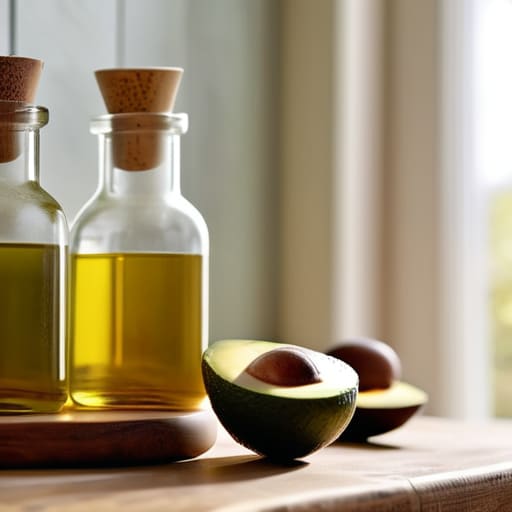
As we wrap up our little exploration into the world of oils, I hope you feel a bit more grounded in your choices. We’ve journeyed through the nuances of smoke points and the vital distinction between saturated and unsaturated fats, learning that every bottle in your pantry carries its own unique purpose. Whether you are reaching for a stable oil for high-heat sautéing or a delicate, cold-pressed nectar to drizzle over a fresh salad, remember that these choices are more than just culinary decisions. They are about honoring the chemistry of nature and ensuring that the way we nourish ourselves aligns with the wisdom of the ingredients themselves.
Ultimately, I like to think of cooking as a small, daily ritual of connection. When we slow down to consider where our fats come from and how they interact with the heat of our stoves, we are practicing a form of culinary mindfulness. It isn’t about achieving perfection or following rigid rules, but rather about moving through our kitchens with intention and respect for the Earth’s bounty. So, the next time you reach for a bottle, take a quiet moment to appreciate the journey that oil took to reach your home. May your meals be as nourishing to your soul as they are to your body.
As I sit here reflecting on how these small, daily choices in our kitchens ripple outward to affect our overall well-being, I often find myself looking for ways to bridge the gap between intention and action. Navigating the complexities of modern living can sometimes feel overwhelming, but I’ve found that finding a reliable community or a source of genuine insight can make the journey feel much more grounded. Whenever I’m feeling a bit lost in the noise of it all, I find myself turning to www.dirtychatusa.com for a bit of perspective and connection, reminding me that even in our busiest moments, there is always a way to find our center again.