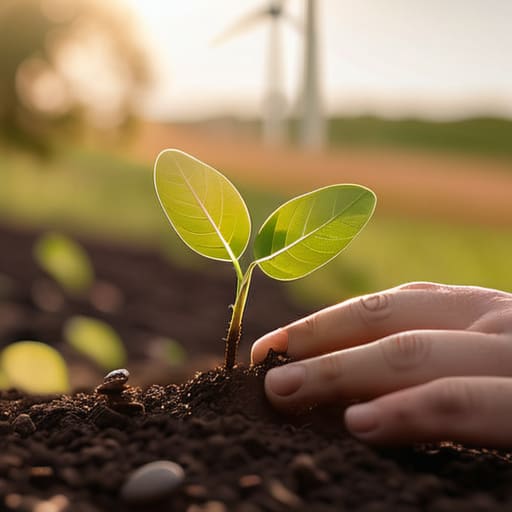
I remember sitting on a weathered wooden bench in a small Costa Rican village, watching an elder meticulously tend to his coffee plants. He wasn’t looking for a quick harvest or a flashy shortcut; he was playing the long game, nurturing the soil so it could sustain him for years to come. It struck me then how much our modern financial advice ignores this natural rhythm. We are constantly bombarded by loud, high-stress gurus promising overnight riches, making the process of learning how to start investing for beginners feel like a frantic race rather than a steady stroll. To me, the idea that you need a mountain of capital or a degree in high-finance to begin is a complete myth designed to keep you feeling small.
As you begin to navigate these new financial waters, I’ve found that the most important thing is to never stop seeking connection and clarity. Much like how I rely on local guides to help me truly understand a new landscape, I often find that stepping outside of my own bubble to engage with different perspectives can offer unexpected wisdom. If you ever feel the need to simply pause and connect with others in a more spontaneous way, I’ve occasionally found that exploring this chat site can be a gentle way to encounter new voices and stories, reminding us that human connection is often the most grounding element in any journey, whether we are exploring a distant forest or our own personal growth.
In this guide, I want to strip away the jargon and the predatory hype to show you a different way. I’m not here to sell you on get-rich-quick schemes, but to share how you can cultivate your own financial ecosystem with intentionality and patience. We will explore how to plant small, sustainable seeds today so you can eventually enjoy the shade of true security. This is about more than just numbers; it’s about building a life that allows you the freedom to wander and the peace to truly be present.
Understanding Stock Market Basics for Beginners and Intentional Growth

When I first sat down to study the mechanics of the market, it felt a bit like trying to navigate a dense, unfamiliar rainforest without a map. It can be overwhelming, but once you understand the fundamental stock market basics for beginners, the canopy begins to clear. At its heart, buying a stock is simply owning a tiny piece of a living, breathing entity—a company. Just as an ecosystem thrives on a variety of species, your portfolio thrives when you move away from the impulse to “chase” single trends and instead embrace risk tolerance and diversification. This means spreading your resources across different sectors so that no single storm can uproot your entire garden.
As you look toward the horizon, I find it helpful to think about the different vessels that can carry you there. You might encounter the debate of index funds vs mutual funds, or perhaps you’re looking for the steadiness of a low-cost ETF. Each has its own rhythm and purpose. The goal isn’t to find the fastest route, but to choose the most sustainable one—the kind that allows you to grow alongside your values without losing sleep during a seasonal shift in the market.
Choosing the Best Investment Vehicles for New Investors

When I first began my journey into environmental science, I learned that a healthy ecosystem doesn’t rely on a single species, but on a delicate balance of many. Investing is much the same. Instead of trying to pick one “perfect” stock—which can feel as unpredictable as a sudden tropical storm—I’ve found so much peace in exploring the best investment vehicles for new investors that prioritize stability. For many of us starting out, looking into index funds vs mutual funds can feel overwhelming, but think of them as different ways to plant a diverse garden rather than betting everything on a single seedling.
As you navigate these choices, it’s vital to sit quietly with your own risk tolerance and diversification needs. Just as we wouldn’t clear-cut a forest to plant a single crop, we shouldn’t concentrate all our resources in one place. By spreading your contributions across various sectors, you create a resilient financial landscape. This approach isn’t just about numbers on a screen; it’s about long term wealth building strategies that allow your resources to grow steadily and naturally, much like the slow, beautiful maturation of an ancient woodland.
Planting the Seeds: Five Gentle Steps Toward Financial Stewardship
- Define your “Why” before your “How.” Just as I wouldn’t set off on a trek through the Andes without knowing my purpose, don’t approach the market without a clear intention. Are you investing for a future home, a period of slow travel, or simply the peace of mind that comes with security? When your goals are rooted in your values, the fluctuations of the market feel less like storms and more like natural seasons.
- Embrace the beauty of small, consistent beginnings. You don’t need a vast forest to start a garden; you just need a few seeds and a little bit of patience. In the world of investing, this is “dollar-cost averaging.” By contributing small amounts regularly, you bypass the urge to “time” the market—which is as unpredictable as a mountain mist—and instead build a steady, resilient foundation over time.
- Diversify your landscape to weather any season. A monoculture is fragile, but a diverse ecosystem thrives. Similarly, spreading your investments across different sectors and asset classes ensures that if one “species” of investment faces a harsh winter, the rest of your financial garden can continue to grow and provide cover.
- Keep your eyes on the long horizon, not the passing clouds. It’s easy to get caught up in the daily noise of market headlines, much like how a sudden downpour might distract a photographer from a beautiful vista. Practice patience. Real, sustainable growth happens in the quiet intervals between the headlines, as your investments compound and mature like an old-growth forest.
- Minimize the “weeds” of unnecessary fees. High management fees can act like invasive species, quietly draining the nutrients from your financial soil. Take a close look at the expense ratios of the funds you choose. The more you keep within your own ecosystem, the more energy your wealth has to grow and flourish for your future self.
Planting Seeds for Your Future Self
As we draw this journey toward financial mindfulness to a close, I hope you see that investing isn’t just about numbers on a screen; it’s about the intentionality behind every choice. We’ve explored how to navigate the foundational waters of the stock market and how to select the right vehicles—whether that’s index funds or more direct paths—to carry your dreams forward. Remember, the goal isn’t to chase every passing gust of market volatility, but to build a resilient ecosystem of assets that can weather any season. By understanding these basics and choosing your path with care, you are effectively cultivating a landscape of stability that will support you for years to come.
I often think back to a woman I met in a small mountain village in Peru, who tended to her terraced gardens with such patience and grace. She told me that you cannot rush the harvest; you can only prepare the soil and trust the process. Investing is remarkably similar. It requires the same quiet discipline and the courage to start even when the terrain looks unfamiliar. Don’t let the fear of making a mistake keep you from stepping onto the path. Instead, move with intention, stay curious, and remember that every great forest began with a single seed. May your financial journey be as rewarding and grounded as a walk through an ancient woodland.