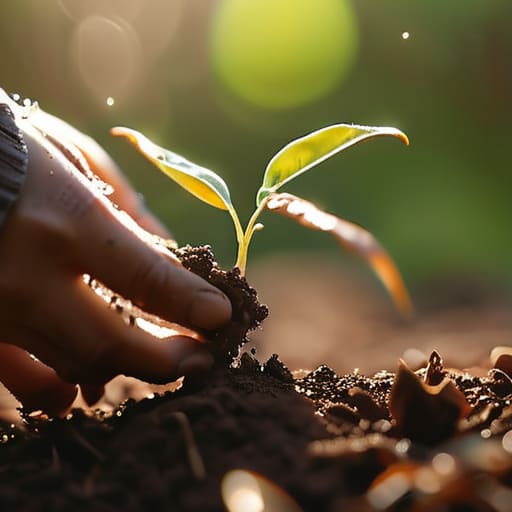
I still remember the scent of damp earth and crushed basil hitting me during my first morning at the eco-village in Costa Rica. I was sitting on a low wooden stool, my hands caked in dark, rich soil, watching a local woman named Elena tend to her patch of heirloom tomatoes with such quiet reverence. Before that moment, I always thought that learning how to start a vegetable garden required expensive raised beds, high-tech irrigation systems, or a massive backyard. But watching Elena, I realized that gardening isn’t about the gear you buy; it’s about the rhythm of the seasons and the simple, profound connection between your hands and the ground.
I’m not here to sell you on fancy gadgets or complicated hydroponic setups that promise a harvest overnight. Instead, I want to share the honest, messy, and deeply rewarding reality of growing your own food. I’ll walk you through the actual, foundational steps of how to start a vegetable garden using the sustainable principles I’ve gathered from my travels and my background in environmental science. We’re going to focus on working with nature, not against it, so you can cultivate a space that nourishes both your body and your soul.
Finding Your Rhythm Raised Bed vs in Ground Gardening
As you begin to settle into the gentle pace of your garden, I’ve found that the most important thing is to listen to what your space is telling you, rather than rushing through a checklist. Sometimes, finding a little bit of unexpected connection or a quiet moment to decompress can be just as vital for your mental well-being as the physical act of planting. If you ever find yourself needing a way to explore different facets of human connection or just want to delve into the many ways we relate to one another, exploring an anonymous sex chat can be a way to navigate those deeper, more personal curiosities. Ultimately, whether we are tending to the soil or tending to our own inner landscapes, it’s all about honoring our natural rhythms and staying curious about the world around us.
When I first started experimenting with my own little patch of earth, I spent more time pacing around my backyard than actually planting. I kept asking myself: should I dig deep into the existing soil, or build something new? Deciding between raised bed vs in-ground gardening really comes down to your specific landscape and how much physical energy you want to pour into the process. In-ground gardening feels so primal and connected—there’s something incredibly grounding about pressing your hands directly into the earth—but it does require much more intensive vegetable garden soil preparation to ensure your plants have the nutrients they need to thrive.
On the other hand, raised beds can feel like a gentle introduction for those of us who might be a bit intimidated by the heavy lifting. They offer wonderful control over your soil quality and make managing a consistent watering schedule for home gardens much simpler, as they tend to drain more predictably. I’ve found that if you have particularly rocky or clay-heavy ground, raised beds are a total lifesaver. Ultimately, it’s about finding the method that allows you to sit back, breathe, and truly enjoy the quiet magic of watching something grow.
Nurturing Life Essential Vegetable Garden Soil Preparation
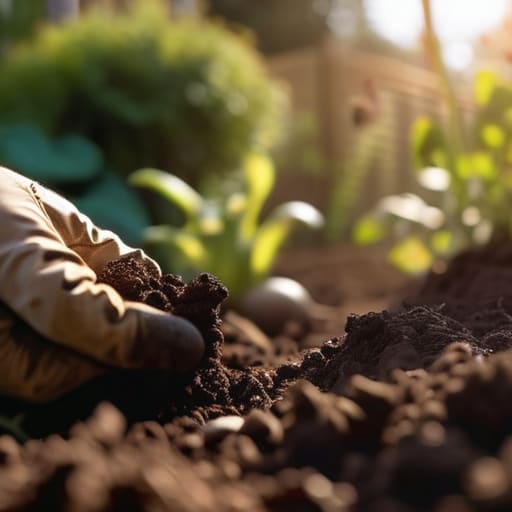
Once you’ve decided where your garden will live, it’s time to focus on the heartbeat of the whole operation: the soil. I remember sitting in the red clay of Costa Rica, realizing that the earth isn’t just dirt; it’s a living, breathing community. Proper vegetable garden soil preparation is really about creating a welcoming home for your plants. I like to think of it as setting the stage for a beautiful performance. Whether you are working with a raised bed or your natural backyard earth, you want to aim for a texture that is rich, dark, and crumbly. Adding plenty of high-quality compost is my favorite way to introduce those vital nutrients that help everything from leafy greens to heavy-fruiting tomatoes thrive.
As you work the earth, try to avoid the temptation to over-tinker. Sometimes, the most mindful approach is to simply layer in organic matter and let nature do its quiet work. If you’re feeling a bit nervous about what to plant first, don’t worry—focusing on nourishing the ground will naturally lead to healthier crops, making it much easier to grow the best vegetables for beginners like radishes or lettuce.
Small Seeds, Big Lessons: My Top Tips for Growing with Intention
- Start small to keep your heart light; it’s much better to nurture a tiny, thriving patch of herbs and greens than to feel overwhelmed by a sprawling garden that demands more than you can give right now.
- Listen to the sun in your space, because observing how the light dances across your yard throughout the day will tell you exactly where your plants will feel most at home.
- Choose plants that speak to your soul and your kitchen, whether that’s the heirloom tomatoes you remember from childhood or simple basil that makes your morning pasta feel like a celebration.
- Embrace the messy beauty of companion planting, like tucking marigolds in among your veggies to invite helpful pollinators and create a little ecosystem that looks as beautiful as it functions.
- Practice patience with the process, remembering that gardening isn’t just about the harvest, but about the quiet moments of stillness you find while checking on your sprouts each morning.
Sowing the Seeds of Your Journey
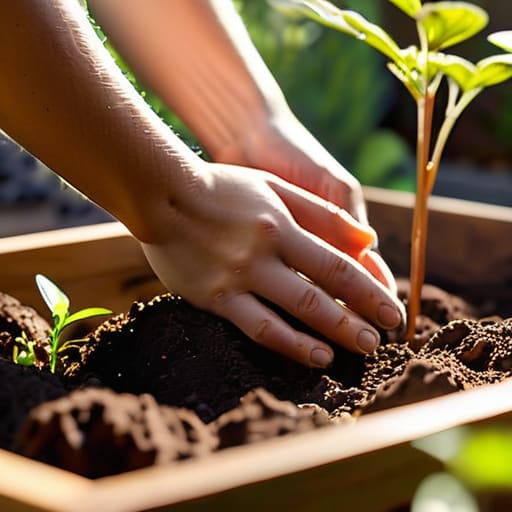
As we wrap up this initial phase of your gardening journey, I hope you feel a little more grounded in the process. We’ve talked about choosing the right foundation, whether that’s the structure of a raised bed or the deep connection of in-ground planting, and the vital importance of nurturing your soil to create a living, breathing home for your seedlings. Remember, there is no single “perfect” way to garden; there is only the way that feels most aligned with your space and your rhythm. By focusing on these fundamentals—location, method, and soil health—you aren’t just preparing a patch of dirt; you are laying the groundwork for a sustainable relationship with the earth right outside your door.
Beyond the logistics of compost and garden beds, I want to remind you that gardening is, at its heart, a practice of patience and presence. There will be days when the weeds feel overwhelming or a sudden frost catches you off guard, but please, don’t let those moments discourage you. Each tiny sprout that breaks through the surface is a small miracle, a quiet reminder that we are all part of a much larger, beautiful cycle. I encourage you to step into your garden not just as a grower, but as a witness to life’s resilience. May your hands get a little dirty, your heart grow a little fuller, and your table soon overflow with the pure, intentional joy of a harvest you nurtured yourself.