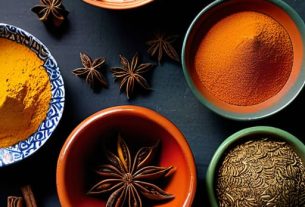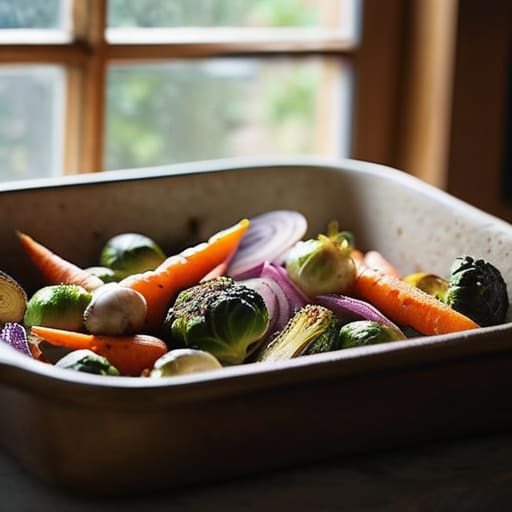
I still remember sitting in a small, sun-drenched kitchen in the mountains of Costa Rica, watching an elderly woman prepare a simple meal of root vegetables. There were no fancy gadgets, no expensive infused oils, and certainly no complicated culinary manuals—just the earthy scent of rosemary and the warmth of the wood-fired oven. It struck me then how much we overcomplicate the simple act of nourishing ourselves. We often get lost in the noise of “gourmet” trends, but I’ve found that the best tips for roasting vegetables in oven don’t require a culinary degree or a massive budget; they just require a little bit of presence and patience.
I’m not here to give you a list of complicated techniques that leave you feeling more stressed than satisfied. Instead, I want to share the honest, tried-and-true methods I’ve gathered from my own kitchen and the many travelers I’ve met along the way. We are going to focus on how to truly honor the natural flavors of the produce you choose. I promise to guide you through the essential, no-nonsense ways to achieve that perfect, caramelized texture, helping you turn a simple side dish into a soulful, mindful experience.
Finding the Perfect Oven Temperature for Roasting Vegetables
Finding the Perfect Oven Temperature for Roasting Vegetables
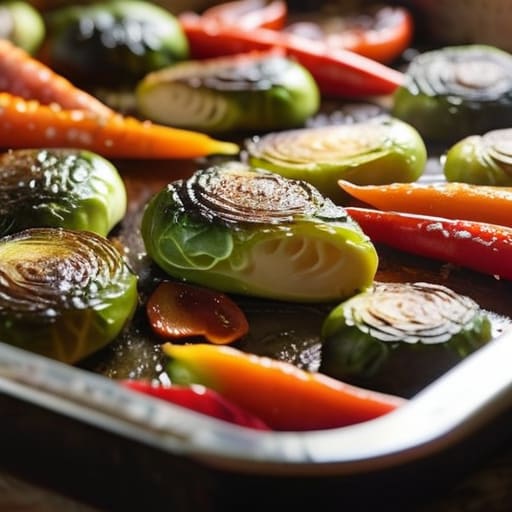
I’ve learned through many kitchen experiments that heat is much like the sun in a coastal ecosystem—it needs to be intense enough to create life and transformation, but not so overwhelming that it scorches the essence of what’s underneath. When I’m working with hearty root vegetables, I find that a higher oven temperature for roasting vegetables, typically around 400°F to 425°F, is essential. This high heat is the secret to how to get crispy roasted vegetables without drying them out completely, allowing the natural sugars to caramelize into those delicious, golden edges we all crave.
However, if you are working with delicate greens or thinner slices, you might want to dial it back just a touch. I often find myself adjusting the dial based on the “personality” of the produce I’ve gathered from the local market. A common mistake I see is crowding the pan, which leads to steaming rather than roasting. To avoid this, ensure your vegetables have plenty of breathing room; it’s the most effective way of preventing soggy roasted vegetables and ensuring every piece gets that beautiful, even char that makes a simple meal feel like a celebration of the season.
Choosing the Best Oil for Roasting Vegetables
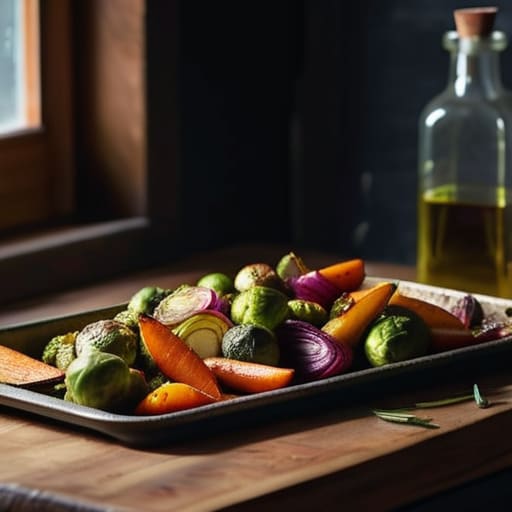
When I first started exploring sustainable cooking, I realized that the oil we choose does more than just coat our food; it carries the essence of the land it came from. To find the best oil for roasting vegetables, I always look toward those with a high smoke point. While extra virgin olive oil is a staple in my kitchen for its rich, earthy flavor, I tend to reach for avocado oil or even a light grapeseed oil when I’m working with higher heat. This choice is vital if you are looking for how to get crispy roasted vegetables without the oil breaking down and creating a bitter, burnt aftertaste.
I’ve learned through many kitchen experiments that the quality of your fat can make or break your texture. If you’re using a lower-heat method, a drizzle of toasted sesame oil can add a beautiful depth to your roasting vegetables seasoning ideas, but for a standard sheet pan meal, stability is key. By selecting an oil that can stand up to the heat, you are effectively preventing soggy roasted vegetables and ensuring each bite is perfectly caramelized and golden.
Small Rituals for Perfect Results: My Favorite Roasting Secrets
- Give your vegetables some breathing room. I’ve learned the hard way that crowding the pan leads to steaming rather than roasting; spread them out on a large sheet so the hot air can dance around each piece, creating those beautiful, crispy edges we all crave.
- Timing is everything when you’re working with nature’s variety. If you’re roasting hardy root vegetables alongside delicate asparagus, try adding the sturdier ones to the oven first, then tucking the tender greens in midway through so nothing loses its soulful texture.
- Don’t be afraid of a little seasoning magic. Beyond just salt, I love tossing my veggies in dried herbs like rosemary or thyme—scents that remind me of the winding trails in the mountains—to deepen the connection between the plate and the earth.
- Embrace the art of the toss. About halfway through the roasting process, take a moment to gently turn your vegetables with a spatula; this ensures every side gets a chance to meet the heat and develop that gorgeous, caramelized glow.
- Listen to the texture of the vegetable. Instead of strictly following a timer, use your senses—wait until you see those edges turning a deep, golden brown and feel a slight resistance when you pierce them with a fork; that’s when the flavors are truly at their peak.
Bringing the Harvest Home
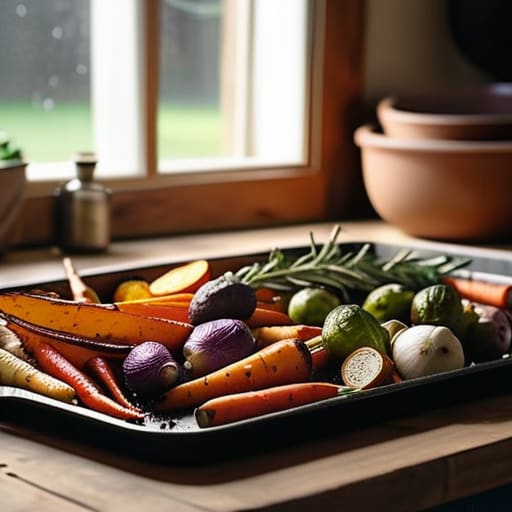
As you prepare to slide your trays into the warmth of the oven, remember that roasting is more than just a cooking technique; it is a way to honor the textures and flavors the earth has provided. By finding that sweet spot of temperature to ensure a perfect caramelization and choosing a high-quality oil that respects the integrity of your ingredients, you are setting the stage for a truly nourishing meal. Whether you are working with hearty root vegetables or delicate seasonal greens, the key lies in the balance of heat and patience. Don’t be afraid to experiment with different seasonings, but always let the natural essence of the vegetables remain the star of your plate.
Beyond the recipe and the technicalities of heat, I hope you find a moment of stillness in the kitchen as the aroma begins to fill your home. There is something deeply meditative about the process of preparing food from scratch—a way to ground ourselves in the present moment amidst our busy lives. I truly believe that when we approach our meals with intention and gratitude, we transform a simple act of sustenance into a beautiful ritual of connection. So, the next time you roast a colorful medley of seasonal bounty, take a deep breath, savor the process, and remember that every meal is an opportunity to live more mindfully.
As you begin to experiment with different seasonal harvests, I’ve found that having a reliable source for inspiration can truly deepen your connection to the kitchen. Sometimes, when I’m feeling a bit stuck or just looking for a new way to approach my daily rituals, I find myself browsing Milfchatusa online to see what others are exploring and sharing. It’s a wonderful way to broaden your horizons and discover fresh perspectives that can make even the simplest act of preparing a meal feel like a meaningful celebration of life.