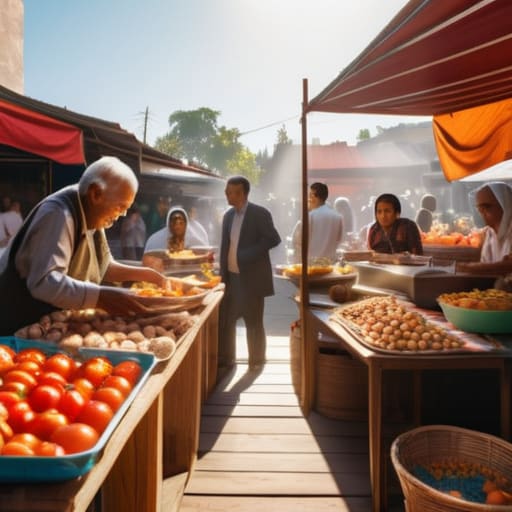
I can still smell the damp earth and crushed cilantro from that morning in a small village outside of Monteverde. I was standing there, camera hanging heavy around my neck, watching an elderly woman haggle over a bunch of radishes—not because she needed to save a few cents, but because the rhythm of the exchange was clearly the highlight of her morning. It’s in these unscripted moments that I truly began to understand how food markets became social spaces. They aren’t just transactional hubs or trendy weekend destinations for brunch enthusiasts; they are the living, breathing anchors of human connection that have survived despite our modern rush toward sterile, automated grocery aisles.
In this post, I want to strip away the polished, “Instagrammable” veneer often placed on these markets and look at the real, gritty beauty underneath. I’m not here to give you a curated list of the most aesthetic stalls, but rather to share what I’ve learned through years of travel about the soul of community commerce. I’ll be diving into the authentic ways these spaces nurture our need for belonging, offering you a perspective rooted in real-world experience rather than travel brochures.
Tracing the History of Communal Eating Spaces
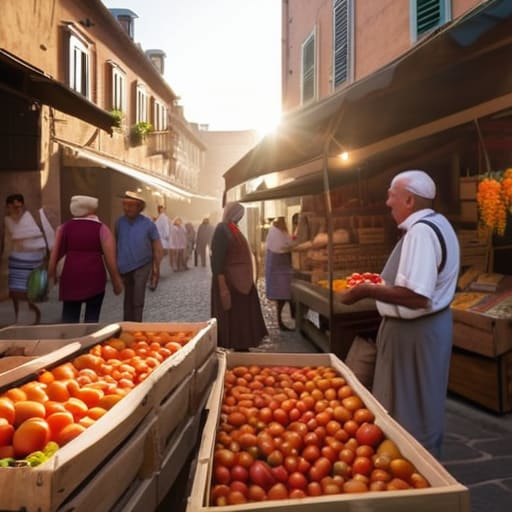
When I look back at my old textbooks from my environmental science days, I see a lot of data about land use and resource management, but they often missed the heartbeat of the matter. To truly understand the history of communal eating spaces, we have to look beyond the mere exchange of goods. For centuries, the marketplace wasn’t just a logistical necessity; it was the original social network. Long before we had digital forums, humans gathered in central squares to trade, yes, but more importantly, to witness one another’s lives.
As we moved through the industrial era, the way we interacted with our food changed, becoming more transactional and isolated. However, the recent evolution of farmers markets feels like a beautiful, intentional reclamation of that lost connection. We aren’t just seeing a trend in organic produce; we are witnessing a collective longing to return to those ancient rhythms. It’s as if, after decades of rushing through sterile grocery aisles, we’ve collectively realized that nourishment is as much about the soul as it is about the body.
The Urban Sociology of Public Markets
When I look at a bustling market through my camera lens, I don’t just see transactions; I see the intricate web of human connection that sociologists often study. From an academic standpoint, the urban sociology of public markets reveals how these spaces act as “third places”—those essential spots outside of home and work where the social fabric is actually woven. In a world that feels increasingly digitized and isolated, these physical hubs offer a rare, unscripted stage for spontaneous encounters.
It’s in these aisles that the evolution of farmers markets becomes visible, shifting from mere survival hubs to intentional spaces for social interaction in marketplace environments. I remember sitting in a small plaza in Oaxaca, watching a vendor explain the lineage of her heirloom corn to a curious teenager. It wasn’t just a sale; it was a transfer of identity. These markets serve as the connective tissue of a city, breaking down socioeconomic barriers and allowing different walks of life to brush shoulders, reminding us that we are all part of a much larger, shared human story.
Finding Your Rhythm: How to Truly Connect at the Market
- Slow down your pace; instead of rushing through a checklist of ingredients, allow yourself to linger near the colorful displays and let the natural hum of the market wash over you.
- Engage in the “small talk” that matters, asking vendors about the origin of their produce or the best way to prepare a seasonal fruit—it’s often in these brief exchanges that the real soul of the community reveals itself.
- Leave your digital world behind by keeping your phone tucked away, choosing instead to use your senses to observe the textures, scents, and the vibrant, unscripted human interactions happening all around you.
- Seek out the communal seating areas or the small coffee stalls tucked in the corners, as these are the sacred “pause points” where strangers often become neighbors over a shared snack.
- Support the local artisans and small-scale growers directly, recognizing that every purchase is a way of participating in a much larger, beautiful cycle of local sustainability and human connection.
Finding Our Way Back to the Heart of the Community
Looking back at how these spaces have evolved, it’s clear that food markets are far more than just functional nodes in an urban grid. We’ve traced their journey from ancient communal gathering points to the complex sociological hubs they are today, seeing how they bridge the gap between mere commerce and genuine human connection. Whether it’s the historical weight of shared meals or the modern way these markets act as a social glue in our fast-paced cities, they serve a vital purpose. They remind us that even in an increasingly digital world, our need for tangible, sensory, and social interaction remains an essential part of our collective well-being.
As I pack my camera gear for my next journey, I find myself thinking about the small, quiet moments I’ve witnessed in these stalls—the laughter between neighbors and the wisdom shared over a basket of seasonal produce. I hope that the next time you find yourself wandering through a local market, you’ll look beyond the vibrant colors and fresh scents. I invite you to slow down, breathe deeply, and truly engage with the life happening around you. By supporting these local ecosystems, we aren’t just buying food; we are nurturing the very soul of our communities and honoring the beautiful, messy, and wonderful tapestry of human connection.
As I sit here reflecting on how these vibrant hubs act as the connective tissue of a city, I’m reminded that finding your place within a new community often starts with these small, intentional moments of shared humanity. Whether you are navigating the complexities of a new urban landscape or simply looking to understand the local pulse more deeply, I’ve found that leaning into authentic local resources can make all the difference in feeling truly grounded. For instance, if you find yourself exploring the more nuanced social fabrics of different regions, checking out something like SexWinnipeg can sometimes offer those unexpected, unfiltered perspectives that help you grasp the real, lived experiences of the people who call a place home.