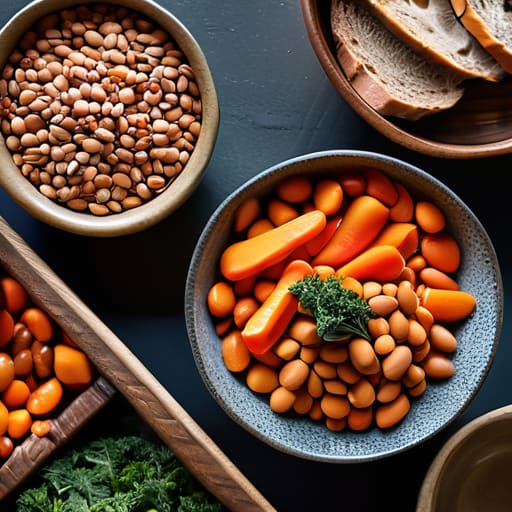
I still remember standing in a cramped grocery aisle in London, staring at a mountain of plastic-wrapped “convenience” meals, feeling completely overwhelmed by the sheer waste of it all. I was exhausted, hungry, and stuck in that cycle of buying random ingredients that would inevitably wilt and die in my crisper drawer by Wednesday. I realized then that the polished, aesthetic meal-prep guides we see online are often a lie—they demand hours of labor and a pantry full of specialty items you’ll never use again. Learning how to build a week of meals from one shop shouldn’t feel like a second job or a chore that strips away your peace; it should be a gentle rhythm that supports your life rather than complicating it.
In this post, I want to move away from the rigid, clinical approach to food and instead share how I approach my kitchen with intention. I’m going to walk you through my personal, realistic framework for selecting versatile, earth-friendly ingredients that can be transformed into diverse dishes throughout the week. This isn’t about perfection or following a strict regime; it’s about nourishing your soul and your planet through simple, sustainable choices.
Efficient Grocery List Organization for a Mindful Kitchen
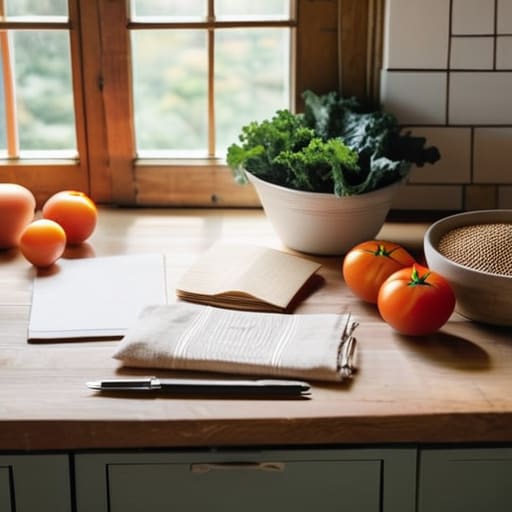
Before I even step foot into the local market, I find that my most successful trips begin with a quiet moment of intention at my kitchen table. I’ve learned that efficient grocery list organization isn’t just about ticking off boxes; it’s about creating a roadmap that honors both my time and my resources. I like to group my list by the layout of the store—produce, grains, pantry staples—to avoid that frantic, aimless wandering through the aisles. This simple rhythm helps me stay grounded and prevents the impulse buys that often lead to unnecessary clutter in my fridge.
As I curate my list, I lean heavily into the concept of ingredient overlapping for multiple meals. Instead of buying isolated items for a single recipe, I look for versatile heroes like a large bag of organic spinach or a versatile tub of Greek yogurt that can pivot from a morning smoothie to a savory dinner component. By focusing on these multi-use staples, I’m not just practicing minimizing food waste with meal planning, but I’m also ensuring that my kitchen feels abundant rather than overwhelming. It’s a gentle way to nourish myself while staying deeply connected to the rhythm of my consumption.
Budget Friendly Meal Planning Tips for Sustainable Living
When I first started my journey toward intentional living, I used to think that eating sustainably meant spending a fortune on specialty organic boutiques. But as I learned during my time in Costa Rica, true abundance often lies in simplicity. One of my favorite budget friendly meal planning tips is to lean heavily into seasonal, whole foods. Instead of chasing every trendy superfood, I look at what the earth is actually offering right now. By centering my meals around seasonal produce, I’m not only saving money, but I’m also honoring the natural rhythms of the land.
Another way I’ve found peace in the kitchen is through the art of ingredient overlapping for multiple meals. I love picking a few versatile staples—perhaps a large bag of quinoa, some roasted sweet potatoes, and a hearty bunch of kale—and seeing how they can transform from a warm breakfast bowl into a vibrant Mediterranean salad later in the week. This approach is a cornerstone of minimizing food waste with meal planning, ensuring that every beautiful ingredient I bring into my home is cherished and fully utilized, rather than forgotten in the back of the fridge.
Small Rituals for a Seamless Week: My Top 5 Strategies
- Embracing the Power of Versatile Ingredients: I’ve learned that the secret to a stress-free week isn’t having fifty different items, but rather choosing a few “hero” ingredients—like a large bag of organic lentils or a hearty bunch of kale—that can transform from a morning smoothie to a nourishing midday grain bowl and finally into a comforting evening stew.
- The Art of Seasonal Synchronicity: When I shop, I try to let the local market guide me. By leaning into what is naturally in season, I’m not just saving money and reducing my carbon footprint, but I’m also ensuring that every meal is bursting with the vibrant, peak flavors that nature intended.
- Batch Cooking as an Act of Self-Care: Instead of seeing meal prep as a chore, I view it as a gift to my future self. Taking an hour on a quiet Sunday to roast a tray of colorful vegetables or simmer a pot of quinoa means that when the mid-week rush hits, I can still pause and eat mindfully rather than reaching for something processed.
- Mapping Out Your Culinary Journey: Before I even step foot in the store, I spend a few moments visualizing my week. I look at my pantry first to see what treasures are already there, then I map out my meals so that every single ingredient I buy has a clear purpose and a place in my kitchen.
- Reducing Waste through Intentional Portions: One of the most beautiful lessons I learned in Costa Rica was how to respect what we consume. I apply this by shopping with intention—buying only what I know I will use—which keeps my fridge from becoming a graveyard of wilted greens and ensures that nothing from my hard work goes to waste.
Finding Rhythm in the Kitchen
As we wrap up our journey through the art of the weekly shop, I hope you feel a little more empowered to step into your kitchen with intention. Remember, building a week of meals from a single trip isn’t about rigid rules or restrictive dieting; it’s about the beautiful synergy of efficient organization and thoughtful selection. By curating a versatile list of earth-friendly ingredients and leaning into budget-conscious, sustainable choices, you aren’t just saving money—you are actively reducing waste and honoring the resources our planet provides. It’s about creating a seamless flow between your grocery basket and your dinner plate, ensuring that every ingredient has a purpose and every meal nourishes both your body and your spirit.
Ultimately, I’ve learned through my travels that the most profound changes often begin with these small, quiet rituals in our own homes. When we approach our nourishment with mindfulness, we transform a mundane chore into a meaningful act of self-care and environmental stewardship. I invite you to see your next grocery trip not as a task to be checked off, but as an opportunity to connect more deeply with the rhythms of nature and the bounty of the earth. May your kitchen become a sanctuary of ease and intention, one delicious, mindful meal at a time.
As I find my rhythm in the kitchen, I’ve realized that intentional living isn’t just about what we eat, but about the quality of our connections—both with the food on our plates and the people who enrich our lives. Sometimes, when the quiet of a solo meal feels a bit too heavy, I find myself seeking out meaningful conversation to ground my spirit, much like how I might browse american adult chat to find a sense of community and shared human experience. It’s all part of that delicate balance of nurturing the soul while we nourish our bodies, ensuring that our journey toward sustainability remains as socially vibrant as it is environmentally conscious.