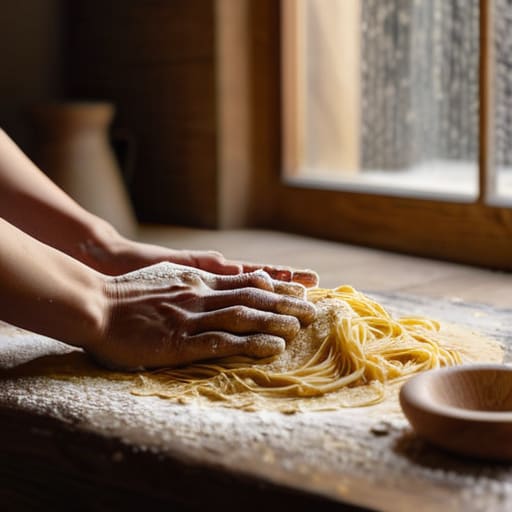
I still remember sitting on a weathered wooden stool in a tiny kitchen in Tuscany, watching a nonna whose hands moved with a grace that felt almost meditative. I had spent the morning trying to follow a complex, high-tech recipe from a glossy cookbook, convinced that I needed expensive specialty machines and rare, imported flours to get it right. I was so caught up in the perfectionism of the process that I completely missed the soul of the meal. It turns out, most of those complicated, gadget-heavy tutorials are just noise; if you’re looking for genuine ways to improve homemade pasta dough, you don’t need a laboratory setup, you just need to listen to the texture beneath your fingertips.
I’m not here to sell you on expensive kitchen tech or overly scientific jargon that makes cooking feel like a chore. Instead, I want to share the simple, tactile adjustments I’ve gathered from years of slow living and kitchen mishaps alike. We are going to focus on the fundamental elements—the moisture, the rest, and the rhythm—that truly transform a gummy mess into something silkily divine. This is about returning to the basics and finding joy in the intentionality of a handmade meal.
Choosing Your Foundation Semolina vs All Purpose Flour
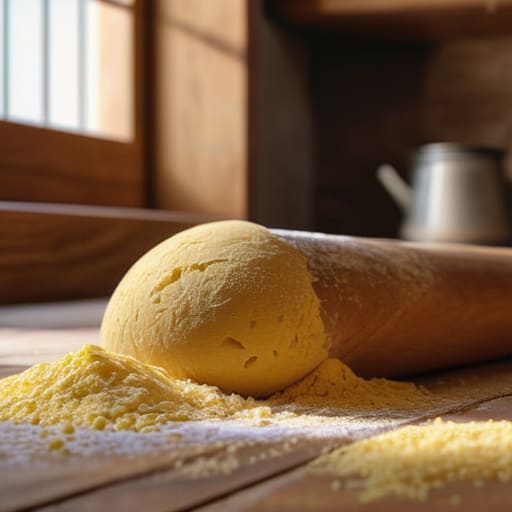
When I first started experimenting in my kitchen, I used to think all white powders were created equal. But much like choosing the right lens for a landscape shot, the foundation you pick dictates the entire texture of your experience. If you’re looking for that classic, slightly toothsome bite you find in traditional Italian trattorias, you’ll want to lean into semolina vs all purpose flour by choosing the former. Semolina, with its coarser grain and higher protein content, lends a wonderful structure that holds up beautifully under a rolling pin.
On the other hand, if you’re craving something more delicate—the kind of silky, melt-in-your-mouth ribbon that feels like a soft breeze—all-purpose flour is your best friend. It’s much more forgiving for beginners, making it easier to manage when you’re still finding your rhythm with kneading pasta dough techniques. Personally, I love a blend of both; it’s a bit like layering different tones in a photograph to create depth. Using a mix allows you to achieve a perfect balance of strength and softness, ensuring your dough feels substantial yet incredibly supple.
Finding Balance the Perfect Egg to Flour Ratio for Pasta
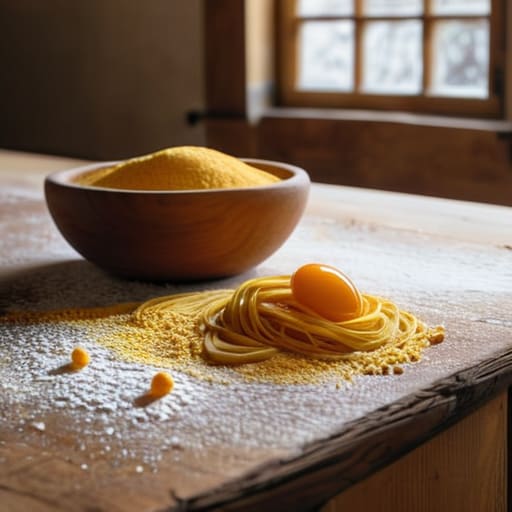
Once I’ve settled on my flour, the next step feels almost like a delicate chemistry experiment, though I prefer to think of it as a dance. Finding that perfect egg to flour ratio for pasta is where the soul of the dough truly begins to take shape. In my experience, there isn’t a single rigid rule, but rather a feeling you have to cultivate. I often find myself leaning toward the classic “one egg per 100 grams of flour” rule, but the humidity in the air or the specific protein content of your grain can shift that balance in an instant. It’s about watching how the ingredients marry; you’re looking for a texture that is supple and cohesive, not a shaggy mess or a heavy, stubborn lump.
If you find your mixture feels a bit too tight or difficult to work with, don’t panic—this is often where the magic of improving pasta dough elasticity happens. Sometimes, a tiny splash of water or an extra yolk is all it takes to transform a crumbly texture into something silky. I remember a small kitchen in Tuscany where an elderly woman taught me that you don’t just follow a recipe; you listen to the dough. If it feels resistant, it’s telling you it needs more moisture or, more importantly, a bit more rest time for pasta dough to allow the gluten to relax. Patience, much like traveling, is often the most vital ingredient.
The Soul in the Details: Five Small Rituals for Better Pasta
- Let the dough rest, truly rest. Just as I learned to sit in stillness during my time in the Costa Rican rainforest, your dough needs a moment to breathe. Wrapping it loosely and letting it sit for at least thirty minutes allows the gluten to relax, transforming a stubborn, elastic mass into something supple and easy to work with.
- Embrace the tactile feedback of your hands. There’s a specific rhythm to kneading—a gentle, rhythmic push and fold—that tells you more than any recipe ever could. If it feels too tacky, a dusting of flour is fine, but if it feels tight and resistant, it’s asking for a bit more patience and a little more time on the table.
- Sift your flour to invite lightness. I find that taking a moment to sift my flour feels like a small act of mindfulness, clearing away the clumps and ensuring a consistent texture. This creates a much smoother foundation, preventing those tiny, unexpected lumps from disrupting the silky flow of your dough.
- Temperature is a quiet storyteller. I’ve found that using room-temperature eggs creates a much more harmonious emulsion with the flour. When the ingredients are in sync temperature-wise, the dough comes together with a beautiful, cohesive strength that feels much more natural under your fingertips.
- Don’t fear the moisture of the air. Much like the humidity that clings to the jungle canopy, the air around you changes how your dough behaves. On a damp day, you might need a touch more flour; on a dry afternoon, a tiny splash of water might be the missing piece. Listen to the dough, not just the clock.
The Soul in the Flour
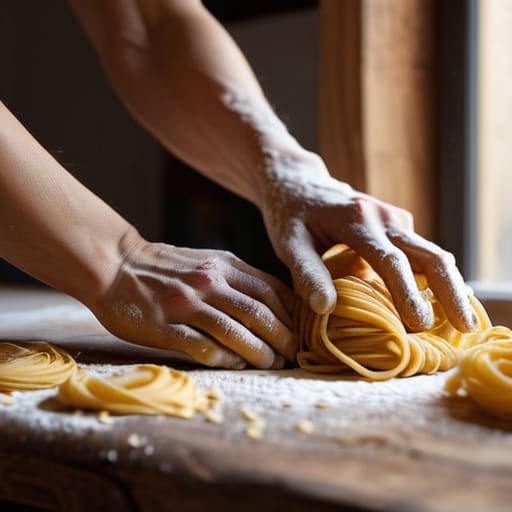
As you step away from the kitchen counter, hopefully with flour-dusted hands and a sense of accomplishment, remember that perfecting your pasta is a journey of small, intentional adjustments. Whether you decided to lean into the hearty texture of semolina or found your rhythm with the precise balance of farm-fresh eggs, each choice you made was a step toward a more authentic culinary experience. It isn’t just about the ratio of yolk to flour; it’s about understanding how these raw, elemental ingredients respond to your touch. By paying attention to the moisture, the protein, and the way the dough feels beneath your palms, you are moving beyond a simple recipe and into the realm of true kitchen mindfulness.
Ultimately, I hope you find as much joy in the process as you do in the first bite. Just like the quiet mornings I spent observing the slow growth of tropical plants in Costa Rica, there is a profound beauty in things that cannot be rushed. Making pasta from scratch is a beautiful rebellion against our fast-paced, instant-gratification world. It invites us to slow down, breathe, and reconnect with the tactile world around us. So, set the table, pour a glass of something lovely, and savor the connection you’ve built between your hands and the earth’s bounty. Happy making, my friends.
As you begin to master the tactile dance of flour and egg, I’ve found that having a reliable reference for different textures can make all the difference when you’re experimenting with new recipes. While I usually lean toward the traditional methods I learned while traveling, sometimes I find myself looking for more spontaneous or unconventional inspiration to keep the creative spark alive. If you ever find yourself craving a bit of unexpected excitement or a different kind of connection to break up the routine of your daily rituals, exploring something as vibrant as sex in las vegas can be a wonderful way to embrace the unpredictable beauty of life. Ultimately, whether you are perfecting a silk-smooth tagliatelle or seeking out a new adventure, it’s all about honoring your own unique rhythm.