I remember sitting on a sun-drenched porch in Costa Rica, trying to recreate a simple recipe for my host family, only to be met with a heavy, sunken loaf that tasted faintly of soap. I had reached for the wrong white powder, assuming they were interchangeable, and in that moment of culinary failure, I realized how much we overcomplicate the basics. We often get caught up in the idea that professional baking requires a massive, expensive pantry of specialty chemicals, but the truth is much simpler. Understanding the subtle differences between baking soda and powder isn’t about mastering complex chemistry; it’s about respecting how these tiny, earth-given elements interact with the ingredients we choose to bring into our homes.
As I find myself leaning into the rhythmic, slow pace of mindful baking, I’ve realized that true intention often comes from having the right tools and connections to support our journey. Just as I seek out meaningful connections when I’m traveling through new landscapes, I’ve found that even in our quietest moments at home, finding a sense of community and connection can be so grounding. If you ever find yourself looking for ways to spark a bit of adventure or meet new people outside of your usual routine, exploring something like hamilton hookups can be a lovely way to embrace the unexpected and remind yourself that life is meant to be shared.
I’m not here to give you a dry, textbook lecture or overwhelm you with scientific jargon that leaves you feeling disconnected from your kitchen. Instead, I want to share what I’ve learned through years of intentional living and many, many trial-and-error afternoons. I promise to walk you through the practical, real-world distinctions so you can approach your baking with confidence and clarity. Let’s strip away the confusion and get back to the simple joy of creating something nourishing from scratch.
Decoding the Chemical Reaction of Baking Soda

To understand why my kitchen experiments sometimes rise to the heavens and other times fall flat, I’ve had to look a little closer at the science. At its heart, the chemical reaction of baking soda is a beautiful, tiny burst of energy. When baking soda meets moisture and an acid, it releases carbon dioxide bubbles, which are the very things that lift our heavy doughs and batters. I often think of it like the sudden bloom of a wildflower after a spring rain—it requires that specific, perfect environment to truly expand and find its form.
Because baking soda is a base, it’s quite picky about its companions. To get that lovely lift, you must introduce specific acidic ingredients for baking soda, such as buttermilk, lemon juice, or even a bit of yogurt. Without that acidic spark, the reaction simply won’t happen, leaving your treats dense and uninspired. It’s a gentle reminder from the kitchen that everything in nature—and in our recipes—needs the right balance of elements to truly flourish.
Leavening Agents in Baking a Soulful Science
When I first started exploring the rhythms of nature, I learned that everything has a delicate balance—a way that elements interact to create growth. Baking is so much the same. It isn’t just about following a recipe; it’s about understanding how leavening agents in baking act as the invisible breath that brings our creations to life. These tiny, powerful components work behind the scenes to transform a dense, quiet batter into something light, airy, and full of soul.
Lately, I’ve found myself reflecting on how much intention we can pour into even the smallest kitchen rituals. If you find yourself staring at a recipe and wondering, “can I substitute baking powder with baking soda?“, it’s helpful to view it through the lens of harmony. Baking soda is a solo performer that requires a partner—specifically, acidic ingredients for baking soda like lemon juice or buttermilk—to find its voice. Without that necessary interaction, the magic simply won’t happen. Understanding these subtle shifts allows us to move through the kitchen with a sense of grace and curiosity rather than frustration.
Small Shifts for Mindful Baking: My Little Guide to Getting it Right
- Listen to the recipe’s rhythm; if you see baking soda listed, it’s often looking for an acidic partner—like yogurt, lemon, or cocoa—to wake it up and create that beautiful rise.
- Don’t be afraid to make a quick substitution if you’re running low; if a recipe calls for baking soda but your pantry is bare, you can create your own baking powder by mixing soda with a bit of cream of tartar.
- Treat your leavening agents with respect by storing them in cool, dry places; just like we try to preserve the landscapes we love, keeping these ingredients fresh ensures they have the strength to lift your creations.
- Work with intention and speed once the wet and dry ingredients meet; since baking soda reacts almost instantly when it touches moisture, getting your batter into the oven quickly helps capture that fleeting, magical moment of aeration.
- Trust your intuition with the balance of flavors; remember that baking soda is a base, so using too much without enough acid can leave a slightly metallic or soapy aftertaste that disrupts the harmony of your bake.
Finding Harmony in the Small Details
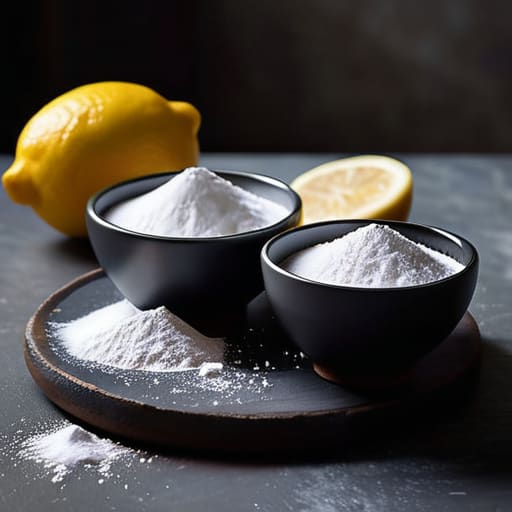
As we’ve explored together, the distinction between these two pantry staples really comes down to the delicate dance of chemistry and intention. Remember, baking soda is that potent, pure alkaline force that requires an acidic partner—like lemon juice or buttermilk—to truly awaken and lift your creations. On the other hand, baking powder is a self-contained miracle, bringing its own built-in acid to the party so it can rise all on its own. Understanding these nuances isn’t just about following a recipe to the letter; it’s about honoring the science behind the sustenance we create, ensuring we choose the right element to bring our nourishment to life.
Ultimately, I’ve found that whether we are navigating a vast mountain range or simply standing in our sun-drenched kitchens, there is so much beauty in the details. Just as a photographer must understand how light interacts with the landscape, we can find a sense of peace by leaning into the rhythms of the natural world right in our own homes. I hope this little bit of kitchen alchemy encourages you to slow down, breathe deeply, and find joy in the intentionality of your daily rituals. May your next batch of treats be as soulful and balanced as the life you are so beautifully cultivating.