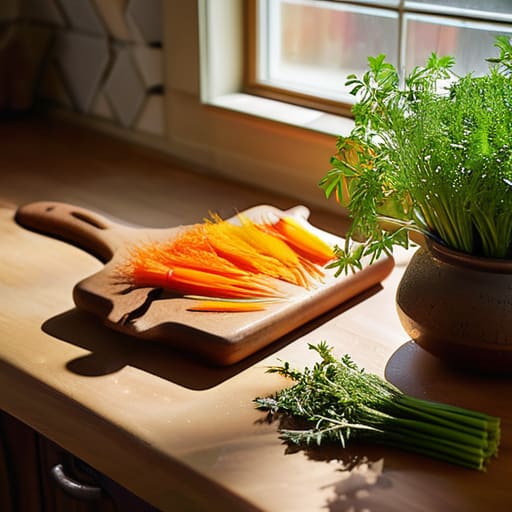
I remember sitting in a tiny, sun-drenched kitchen in a Costa Rican eco-village, watching an elderly woman named Elena transform what most people would call “trash” into something truly sacred. While the wellness industry tries to convince us that we need expensive, store-bought organic tonics to feel grounded, the truth is much more beautiful and far less costly. I realized then that my old way of living—tossing wilted celery ends and bruised onion skins straight into the bin—was a missed opportunity to honor the life within our food. This isn’t about following some complex, gourmet ritual; it’s about a simple, soulful beginner guide to making vegetable broth that respects the cycle of nourishment.
I’m not here to give you a list of complicated culinary techniques or demand a pantry full of rare spices. Instead, I want to share the uncomplicated, honest rhythm of simmering scraps into liquid gold. I promise to walk you through a process that is as kind to your wallet as it is to the planet, focusing on the intuitive, sensory way of cooking that I’ve gathered from years of traveling and living mindfully. We are going to turn your kitchen scraps into a source of warmth and connection, one nourishing simmer at a time.
Choosing the Best Vegetables for Homemade Broth
As you begin to find your rhythm in the kitchen, I often find that the most beautiful transitions happen when we embrace the unexpected rhythms of life. Just as I learned to appreciate the slow, deliberate pace of the Costa Rican rainforest, I’ve realized that finding moments of genuine connection—whether through a simmering pot of broth or exploring the vibrant, pulsing energy of a place like sexting miami—is what truly nourishes our spirits. It’s all about being present in the moment, allowing ourselves to be completely open to the sensations and stories that surround us.
When I first started my journey toward a zero-waste kitchen, I realized that the secret to a truly soul-warming liquid gold isn’t found in a store-bought carton, but in the colorful remnants of our daily meals. Finding the best vegetables for homemade broth is really about looking at your kitchen scraps through a lens of possibility. I love gathering those humble onion skins, slightly soft carrots, and the leafy tops of radishes that we might otherwise discard. These bits are packed with deep, earthy nutrients just waiting to be released through heat.
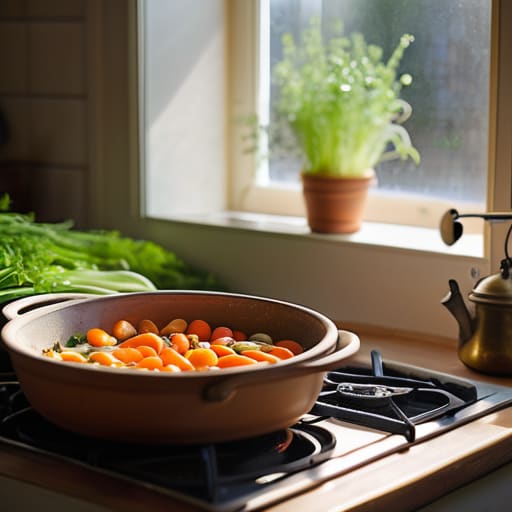
As you gather your ingredients, try to focus on variety to create layers of flavor. Celery stalks, leek tops, and even a bit of garlic can transform a simple pot of water into something magical. If you’re looking for some quick vegetable scrap cooking tips, I always suggest keeping a reusable container in my freezer to collect these bits throughout the week. It makes the process feel less like a chore and more like a gentle ritual of honoring the food we’ve already prepared, ensuring nothing beautiful goes to waste.
Flavoring Vegetable Stock Naturally With Earths Bounty
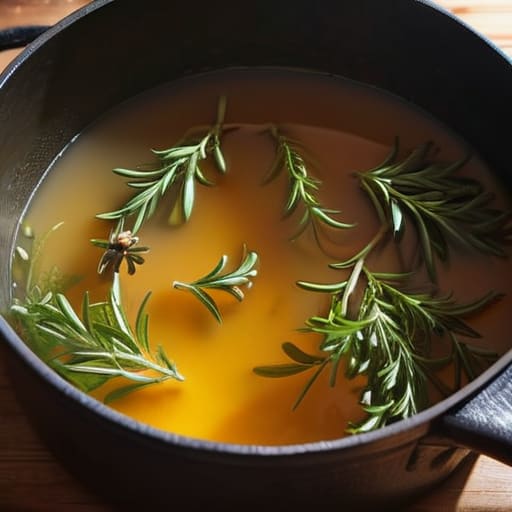
Once you’ve gathered your colorful array of scraps, the real magic happens when we begin flavoring vegetable stock naturally with the aromatic gifts of the earth. I often think back to a small kitchen in the highlands of Costa Rica, where the scent of fresh herbs could transform a simple meal into a spiritual experience. To replicate that depth at home, I love reaching for woody herbs like rosemary or thyme, and perhaps a few peppercorns to add a gentle warmth. If you’re looking for a bit of brightness, a single dried bay leaf or a slice of fresh ginger can work wonders, grounding the liquid with an earthy complexity that store-bought versions simply can’t mimic.
Don’t be afraid to lean into the subtle nuances of your ingredients. While we’ve discussed the best vegetables for homemade broth, it’s the small additions—a clove of garlic or a piece of kombu—that truly weave the narrative of your stock. As you let everything dance together, remember that the simmering time for vegetable broth is a lesson in patience; let it bubble softly, much like a quiet conversation, allowing the essences to meld into something truly soulful.
Little Rituals for a Richer Broth
- Listen to your pantry’s rhythm by gathering scraps as they come; those lonely onion skins and slightly soft celery hearts are actually little treasures waiting to be transformed.
- Embrace the art of patience by letting your broth simmer low and slow, allowing the gentle heat to coax out the deep, soulful essence of every vegetable.
- Don’t be afraid to let things get a little messy—using a reusable cloth bag for your scraps can make straining the liquid much more seamless and mindful.
- Remember that nature doesn’t rush, and neither should your flavors; if you have the time, letting your broth sit in the fridge overnight can actually deepen the complexity of the taste.
- Keep a small container in your freezer for your “kitchen gold,” so you’re always ready to create something nourishing the moment inspiration strikes.
Bringing the Essence Home
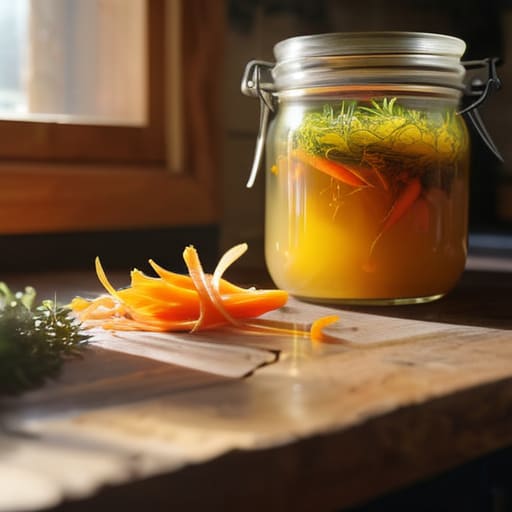
As you prepare to strain your first batch of golden liquid, take a moment to look at the beautiful complexity you’ve created. From selecting the most vibrant, seasonal vegetables to layering in those earthy herbs and spices, you have turned what many would consider “waste” into a nourishing foundation for your next meal. Remember, there are no strict rules here; your broth is a living reflection of what your garden or local market offers in this exact moment. Whether you lean heavily on sweet carrots or savory onions, the goal is to capture the purest essence of the earth in a single pot.
Beyond the recipe and the kitchen prep, I hope this small act of making your own broth serves as a gentle reminder of how much power we hold in our daily choices. Every time we choose to repurpose rather than discard, we are participating in a sacred cycle of respect for the resources our planet provides. It’s these tiny, intentional shifts in our routine that eventually weave together to create a more mindful and sustainable way of being. So, pour yourself a warm mug, breathe in that earthy aroma, and know that you are nourishing both your body and your soul one simmer at a time.