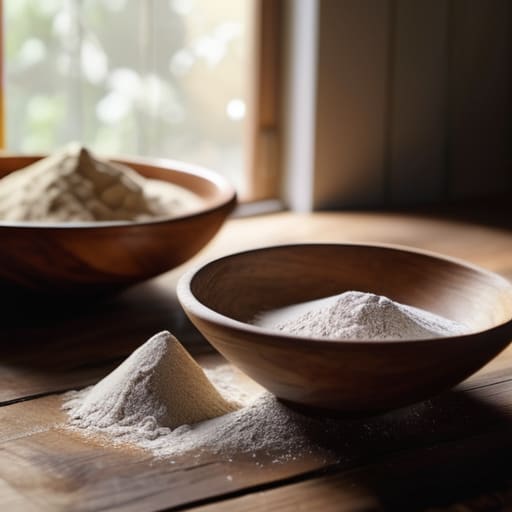
I still remember sitting on a weathered wooden stool in a small community kitchen in Costa Rica, watching an elderly woman named Elena transform simple, stone-ground grains into something that felt like pure magic. Back then, I thought baking was all about following rigid, clinical instructions found in heavy textbooks, but Elena taught me that it’s actually a conversation between you and the earth. I used to get so lost in the overwhelming aisles of the supermarket, feeling like I needed a PhD just to pick a bag of grain, but I’ve realized that a truly helpful guide to different types of flour shouldn’t feel like a chemistry lecture. It should feel like coming home to the basics.
As I find myself leaning into the rhythmic, tactile joy of kneading dough, I’ve realized that much like our travels, the most rewarding experiences often come from stepping outside our comfort zones and embracing the unexpected. Sometimes, finding that perfect balance in life—whether it’s the perfect rise in a loaf or a spontaneous connection—requires a bit of soulful exploration. If you ever feel the urge to seek out new rhythms or unexpected connections while navigating your own journey, looking into casual encounters atlanta can be a way to embrace the unplanned beauty of human interaction, much like how a sudden change in the weather can transform a landscape into something entirely new and breathtaking.
I’m not here to sell you on expensive, over-processed specialty blends that promise miracles but deliver nothing but a heavy wallet. Instead, I want to share the honest, grounded wisdom I’ve gathered from both my environmental studies and my travels to help you understand how each grain affects your soul and your sourdough. This is my personal, no-nonsense guide to different types of flour, designed to help you choose with intention and ease.
The Sacred Dance of Protein Content in Flour Types
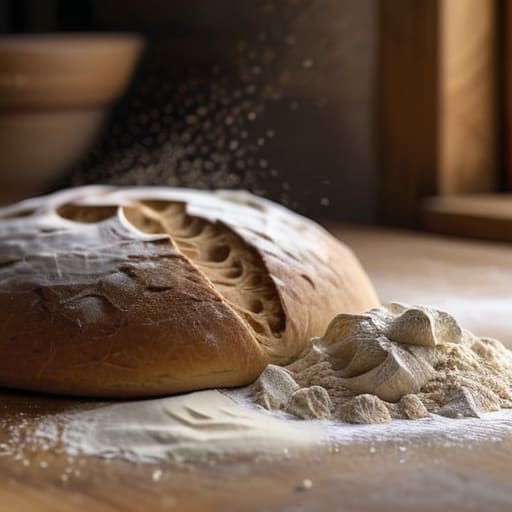
When I first started experimenting with sourdough in my small kitchen, I realized that baking isn’t just about following a recipe; it’s a conversation with the ingredients. The most important part of that dialogue is understanding flour absorption and how it relates to the strength of your dough. This strength comes directly from the protein content in flour types, which acts as the invisible architecture of everything we bake.
Think of it like the landscape I often photograph: some terrains are soft and yielding, like the rolling hills of a meadow, while others are rugged and structural, like a mountain range. When you choose between all-purpose flour vs bread flour, you are essentially deciding how much “skeleton” your creation needs. Bread flour, with its higher protein, provides that sturdy, chewy embrace we love in a rustic loaf. On the other hand, if you are seeking something delicate and ethereal, like a light sponge, you’ll want to lean toward the gentle nature of pastry flour. It’s a beautiful, rhythmic balance between structure and softness.
Embracing the Earth Through Baking With Whole Grain Flour
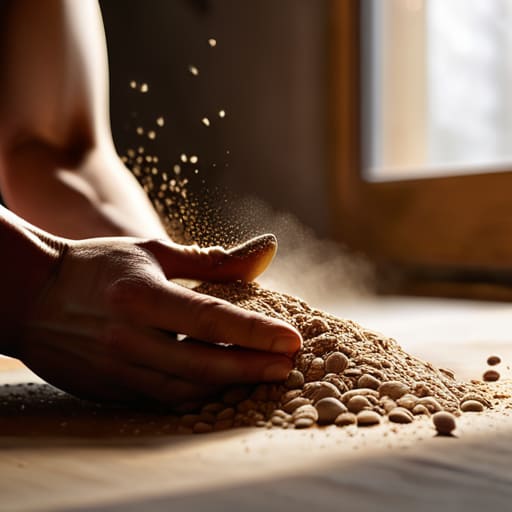
There is something profoundly grounding about the texture of whole grains between your fingers. When I was volunteering in Costa Rica, I remember watching a local woman mill corn by hand; the scent of the earth rising from the stone was intoxicating. When we transition from refined white powders to baking with whole grain flour, we aren’t just changing a recipe; we are inviting the entire soul of the plant into our kitchens. These flours retain the bran and the germ, which means they carry a richness of flavor and a nutritional density that white flour simply cannot match.
However, moving toward these more ancestral ingredients requires a bit of patience and a shift in how we approach our doughs. Because the bran acts like tiny little shards of glass, it can cut through gluten strands, often resulting in a denser, heartier crumb. This is where understanding flour absorption becomes your best friend. Whole grains are thirsty travelers; they soak up much more liquid than refined varieties. If you find your dough feeling a bit too stiff or unyielding, don’t be afraid to add a gentle splash of water or milk to help those grains fully hydrate and soften.
Small Rituals for a More Mindful Kitchen
- Listen to the texture; as you sift your flour, notice the lightness of the powder against your skin, letting it ground you in the present moment before the kneading begins.
- Honor the source by sourcing heirloom or locally milled grains whenever possible, connecting your kitchen directly to the soil and the hands that harvested it.
- Don’t fear the trial and error, for every failed loaf is simply a lesson in patience and a way to better understand how different proteins respond to your touch.
- Create a sensory ritual by pairing your baking with the scents of nature, perhaps a sprig of dried lavender or a hint of cinnamon, to deepen your connection to the ingredients.
- Practice intentional substitution by learning how a bit of whole wheat can add earthiness to a recipe, treating each adjustment as a small, creative dialogue with the Earth.
Finding Harmony in the Grain
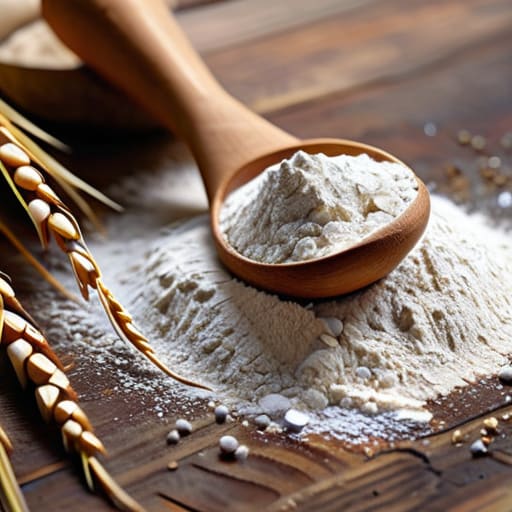
As we draw this exploration to a close, I hope you feel a little more grounded in your understanding of the grains that sustain us. We’ve journeyed through the delicate balance of protein levels that dictate a bread’s structure and honored the rustic, nutrient-dense beauty of whole grains that connect us directly to the soil. Whether you are reaching for the strength of bread flour to create a crusty sourdough or the softness of cake flour for a gentle afternoon treat, remember that each choice is an opportunity to practice intention in the kitchen. Understanding these nuances isn’t just about the science of baking; it’s about respecting the elemental ingredients that the Earth provides so generously.
Ultimately, I believe that the most beautiful loaves aren’t defined by perfect crumb or professional technique, but by the spirit with which they are made. When you slow down to feel the texture of the flour between your fingers and breathe in the earthy aroma of the grain, you are engaging in a quiet, beautiful ritual of presence. I invite you to step into your kitchen not as a mere cook, but as a storyteller, using these diverse flours to nourish both your body and soul. May your baking be a way to celebrate the simple, profound connection between ourselves and the natural world, one knead at a time.