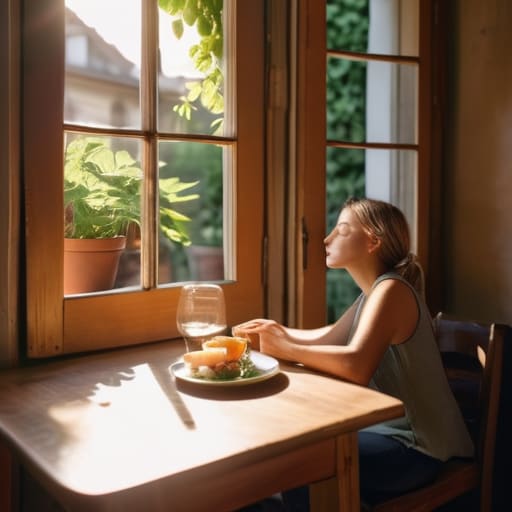
I remember sitting at a small, weathered wooden table in a tiny cafe outside of Monteverde, the scent of damp earth and roasting coffee beans swirling around me. I watched a group of tourists at the next table, huddled together and frantically scrolling through their phones, barely tasting the meal in front of them. It struck me then how much we’ve been conditioned to view a solo meal as a sign of social failure or, worse, a symptom of loneliness. We’ve collectively decided that a table for one is a tragedy, and I’ve spent a lot of time wondering why eating alone got a bad reputation in a world that is supposedly more connected than ever.
I’m not here to give you some polished, superficial guide on “how to be social” while you dine. Instead, I want to pull back the curtain on why we feel this strange shame and how we can reclaim those moments for ourselves. I’ll be sharing some honest, experience-based reflections on how to transform a solitary meal from an awkward ordeal into a sacred ritual of reconnection. Let’s stop apologizing for taking up space and start finding the quiet joy in our own company.
Navigating the Social Stigma of Eating Alone
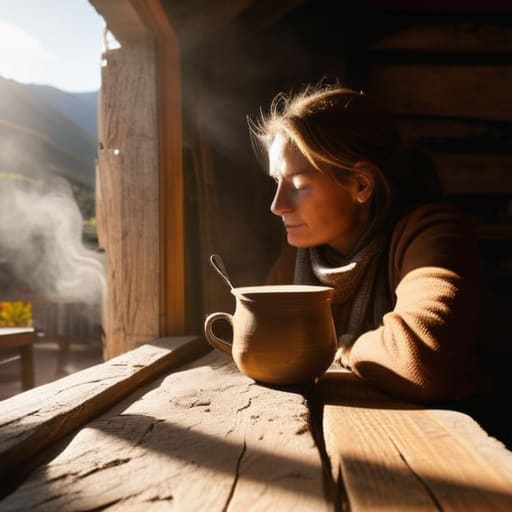
I remember sitting in a small, sun-drenched café in a remote village in the Andes, clutching a warm mug of coca tea. I felt those familiar eyes on me—that subtle, fleeting glance from a passing group that seemed to whisper, “Why is she all by herself?” It’s a heavy feeling, isn’t it? That sudden prickle of self-consciousness that makes you want to bury your face in your phone just to look “busy.” This social stigma of eating alone often stems from an old-fashioned idea that dining is strictly a communal performance, a way to signal our social status or belonging.
When we view a meal solely as a social event, we inadvertently turn a moment of nourishment into a test of our popularity. We start to fear that being solo equates to being lonely, which is where much of the overcoming dining anxiety struggle begins. But as I’ve learned through my travels and my studies in environmental science, there is a profound difference between isolation and intentional solitude. By shifting our perspective, we can transform that perceived awkwardness into a powerful act of self-care and presence.
Unraveling Cultural Perceptions of Solitary Meals
During my time trekking through the rural highlands of Southeast Asia, I sat with an elderly woman named Linh who spent every afternoon tending to her small garden before a quiet meal. She told me that for her, a meal wasn’t just about fuel; it was a sacred communion with the ingredients she had nurtured. This way of life stands in such stark contrast to the Western rush, where we often view a single person at a table as a sign of isolation or even sadness. It’s fascinating to see how much cultural perceptions of solitary meals shape our own internal dialogue about what “normal” looks like.
In many parts of the world, eating is a communal ritual, which is likely why the social stigma of eating alone took such a firm hold in more individualistic societies. We’ve been conditioned to believe that a table without conversation is an empty one. However, as I’ve traveled, I’ve realized that many cultures actually respect the space required for reflection. Instead of seeing it as a lack of company, they see it as a way to honor the food itself.
Reclaiming Your Seat: Small Ways to Embrace the Quiet Table
- Start small with a “low-stakes” meal, like a quiet coffee at a local cafe or a quick lunch in a park, to build your comfort level before tackling a full dinner service.
- Bring a companion for your senses—a well-loved book, a journal to sketch the scenery, or even just your camera—to turn the time into a creative ritual rather than a void to be filled.
- Practice mindful observation by setting your phone aside; instead, focus on the textures of your food and the rhythmic hum of the environment around you, much like I do when I’m out photographing landscapes.
- Choose settings that feel welcoming to solo travelers, such as communal tables or window seating, which allow you to feel part of the world’s energy without the pressure of forced conversation.
- Reframe your internal narrative from “I am eating alone” to “I am taking myself on a date,” honoring your own company as something worthy of celebration and intentionality.
Reclaiming the Quiet Table
As we’ve explored, the discomfort we often feel when sitting solo at a restaurant isn’t a reflection of our own social inadequacy, but rather a byproduct of modern cultural pressures and outdated stigmas. We have been conditioned to view dining as a purely social performance, often overlooking the profound value of the internal dialogue that happens when the noise of conversation fades away. By understanding that these stigmas are largely constructed, we can begin to peel back the layers of social anxiety and see solo dining for what it truly is: an opportunity to deconstruct the rush of our daily lives and simply exist in the moment.
Moving forward, I encourage you to view your next solo meal not as a moment of isolation, but as a sacred appointment with yourself. Whether it is a quiet coffee in a sun-drenched corner or a slow dinner in a bustling bistro, let it be an act of intentionality. When we stop fearing the empty chair across from us, we open a doorway to a much deeper connection with our senses and our surroundings. Trust me, when you finally lean into that stillness, you’ll find that the most nourishing ingredient at the table is the peace you find within.
Sometimes, when the weight of those societal expectations feels a bit heavy, I find it helpful to lean into the very things that make us feel most alive and connected to our own desires. For me, that often means seeking out spaces that celebrate authentic human connection and the freedom to simply be yourself without judgment. If you’re looking for a way to explore those deeper, more unfiltered layers of connection and self-discovery, I’ve found that you can visit the site to find inspiration that honors your personal journey. Embracing your own rhythm is such a vital part of living intentionally, and it starts with being brave enough to seek out what truly resonates with your spirit.