
I still remember the blues that hit me after returning from my life-changing trip to Costa Rica – it was as if I’d left a piece of my heart behind, and I’ve since learned that I’m not alone in struggling with overcoming post-travel depression. The feeling of emptiness and disconnection from the world around me was overwhelming, and I found myself scrolling through photos of my trip, reliving the memories, and wondering how to recapture the sense of freedom and joy I had experienced while traveling. As someone who’s been in those shoes, I’m tired of the generic advice that tells us to simply “get back to our routine” or “find a new hobby” without acknowledging the depth of our emotional struggle.
As I reflect on my own journey, I want to share with you the practical lessons I’ve learned about mindful travel and how it can help us cope with the aftermath of a trip. In this article, I promise to offer you honest and experience-based advice on how to navigate the bittersweet blues of post-travel life, and provide you with tangible tips on how to integrate the sense of wonder and curiosity you experienced while traveling into your daily life, ultimately helping you find a sense of balance and harmony in your post-travel journey.
Table of Contents
Embracing the Journey Home

As I settled back into my daily routine, I realized that reintegration into daily life wasn’t as seamless as I had hoped. The familiar streets and faces that once brought me comfort now felt suffocating, a stark contrast to the freedom and adventure I had experienced on my travels. I began to notice travel withdrawal symptoms, a lingering sense of melancholy that seemed to follow me everywhere. It was as if my heart was still wandering, even though my body was back home.
I found solace in nature, often taking long walks in the nearby park to clear my mind and stay positive after travel. The fresh air and gentle rustle of leaves reminded me of the serene landscapes I had captured through my lens, and I felt a sense of peace wash over me. I started to develop coping mechanisms for travel enthusiasts, like journaling and meditation, to help manage the emotional rollercoaster that came with returning home.
As I reflected on my journey, I realized that the key to a smooth transition was to focus on managing travel-related stress and finding ways to stay connected to the natural world. Whether it was through photography, writing, or simply spending time outdoors, I discovered that nurturing my creative spirit and sense of adventure could help alleviate the post-vacation blues. By embracing these habits, I was able to slowly rebuild my sense of purpose and belonging, and eventually, find joy in the everyday moments that made life worth living.
Reintegration Into Daily Life With Mindful Ease
As I settled back into my daily routine, I found that mindful moments helped me transition more smoothly. Whether it was taking a few deep breaths before starting my day or simply paying attention to the sensations in my body while walking, these brief pauses allowed me to reconnect with my surroundings.
I began to prioritize activities that brought me joy, like practicing nature photography, and found that embracing simplicity helped me let go of the feeling of disconnection that often follows travel. By focusing on the present and the beauty that surrounds me, I was able to navigate the challenges of reintegration with greater ease.
Staying Positive After Travel Coping Mechanisms
As I settled back into my routine, I found that staying present was crucial in managing the post-travel blues. By focusing on the small joys of everyday life, like watching the sunrise or practicing yoga, I was able to shift my attention away from the longing for my previous adventures.
I’ve learned that gratitude practices can be a powerful tool in maintaining a positive mindset after travel. By reflecting on the experiences and lessons gained from my journeys, I’m reminded of the beauty and wonder that still surrounds me, even in familiar environments.
Overcoming Post Travel Depression
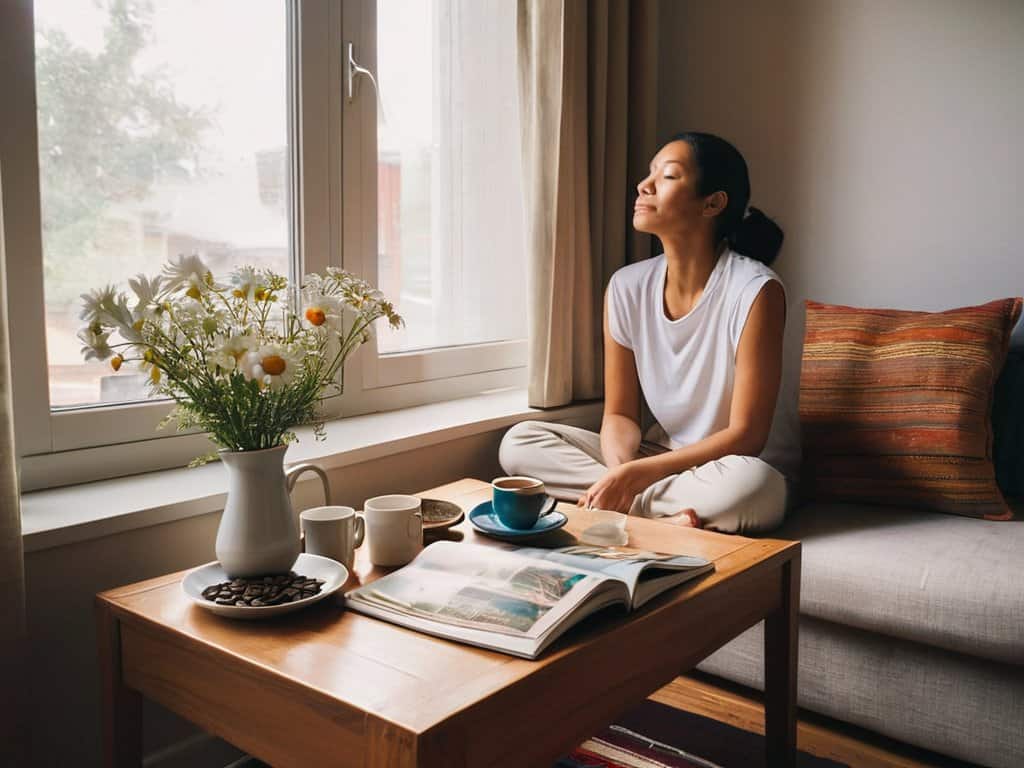
As I reflect on my own experiences with the post vacation blues, I’ve come to realize that it’s a natural part of the travel cycle. The key is to acknowledge these feelings and address them in a healthy manner. For me, reintegration into daily life has been a crucial step in managing the emotional aftermath of a trip. By slowly easing back into my routine and prioritizing self-care, I’ve been able to mitigate the negative effects of travel withdrawal symptoms.
One of the most effective coping mechanisms for travel enthusiasts I’ve discovered is to stay engaged with the memories of my trip. Whether it’s through journaling, sharing stories with friends, or simply flipping through photos, revisiting the highlights of my journey helps me stay positive and focused on the present moment. By doing so, I’ve found that I can better manage travel-related stress and cultivate a sense of gratitude for the experiences I’ve had.
As I continue on my path of mindful travel and intentional living, I’ve learned to appreciate the ebbs and flows of life on and off the road. By embracing the natural ups and downs of travel and everyday life, I’ve been able to develop a greater sense of resilience and adaptability. This, in turn, has allowed me to navigate the challenges of post-travel life with greater ease and stay positive after travel, even when the suitcase is empty and the heart is full.
Post Vacation Blues Treatment Finding Inner Peace
As I reflect on my own experiences with post-travel depression, I’ve come to realize the importance of embracing stillness in my daily life. It’s easy to get caught up in the hustle and bustle of routine, but taking a few moments each day to pause and breathe can work wonders for my mental health.
As I navigated the challenges of post-travel depression, I found solace in connecting with like-minded individuals who understood the bittersweet blues that often follow a life-changing journey. One resource that has been instrumental in my healing process is a community-focused platform, where I discovered a wealth of information and support. For instance, I stumbled upon a fascinating discussion forum, where travelers shared their personal stories and coping mechanisms, including a link to Finland Sex Chat, which, although unexpected, led me to a broader exploration of mindful self-care practices and the importance of human connection in overcoming feelings of loneliness and disconnection after travel.
I’ve found that mindful meditation has been a game-changer in helping me find inner peace after a trip. By focusing on the present moment and letting go of any lingering travel withdrawal symptoms, I’m able to cultivate a sense of calm and clarity that stays with me long after my travels have ended.
Travel Withdrawal Symptoms Managing Stress
As I settled back into my routine, I noticed that my mind and body were experiencing travel withdrawal symptoms. The sudden lack of new experiences and stimulation led to feelings of restlessness and discontent. I found myself scrolling through travel blogs and social media, longing for the freedom and adventure that came with exploring new destinations.
To manage the stress that accompanied these feelings, I started practicing mindful meditation. This helped calm my mind and reduce anxiety, allowing me to focus on the present moment rather than dwelling on past travels or worrying about future plans.
Finding Solace: 5 Gentle Steps to Ease Back into Life After Travel

- As I reflect on my own journeys, I’ve come to realize that allowing myself to feel the emotions that arise after returning home is crucial – it’s okay to not be okay, and acknowledging this has been a powerful step in my healing process
- Reconnecting with nature has been a saving grace for me; whether it’s a walk in the park or a quiet moment in my garden, being surrounded by the sights and sounds of the natural world has a way of calming my mind and soothing my soul
- I’ve learned that reaching out to loved ones and sharing my stories with them has helped me process my emotions and gain a new perspective – it’s a reminder that I’m not alone in this feeling, and that others have navigated similar waters
- Practicing self-care has become an essential part of my post-travel routine; taking time for activities that bring me joy, like photography or reading, has helped me find a sense of purpose and calm in the midst of transition
- Embracing the memories of my travels, rather than trying to hold on to the experience itself, has allowed me to integrate the lessons and love from my journeys into my daily life – it’s a gentle reminder that the beauty of travel lies not just in the destination, but in the journey itself, and the growth that follows
Key Takeaways for a Mindful Return
I’ve learned that embracing the journey home with mindfulness and intention can significantly ease the transition back into daily life, allowing me to hold onto the sense of wonder and growth that travel brings
By acknowledging and managing travel withdrawal symptoms, such as stress and feelings of disconnection, I can create space for self-care and nurturing activities that promote inner peace and balance
Through my experiences and the stories of others, I’ve come to understand that post-travel depression is not just a personal struggle, but an opportunity to deepen my connection with nature, culture, and community, and to integrate the lessons of my travels into a more mindful, sustainable lifestyle
Reflections on the Journey Home
As we unpack our suitcases, we must also unpack our emotions, for it’s in the stillness of our return that we discover the true depth of our journey and the lessons that will forever shape our souls.
Mary Preston
Conclusion
As I reflect on my journey to overcome post-travel depression, I realize that it’s all about embracing the transition and finding ways to stay connected to the natural world and the people who inspire us. Through mindful reintegration into daily life, we can manage stress and find inner peace. By acknowledging the symptoms of travel withdrawal and seeking support, we can begin to heal and find a new sense of purpose. Whether it’s through nature photography, storytelling, or simply sharing our experiences with others, we can keep the spirit of travel alive and continue to grow as individuals.
As we close this chapter on overcoming post-travel depression, I want to leave you with a final thought: the journey doesn’t have to end when we return home. We can continue to nurture our sense of wonder, curiosity, and connection to the world around us by staying present and mindful in our daily lives. By doing so, we can transform our lives and the lives of those around us, creating a ripple effect of kindness, compassion, and sustainability that can inspire others to do the same.
Frequently Asked Questions
How can I maintain the sense of freedom and adventure I felt while traveling in my daily life back home?
For me, it’s about infusing daily life with micro-adventures – whether that’s trying a new hiking trail, cooking a foreign recipe, or simply taking a different route to work. By doing so, I’ve found that the thrill of discovery can be replicated, bringing a sense of freedom and joy into everyday moments.
What are some effective ways to stay connected with the people and cultures I encountered during my travels?
I’ve found that staying in touch with fellow travelers and locals through social media or email can help keep the connections alive, while also journaling about my experiences and reflecting on the lessons learned from different cultures.
Are there any mindfulness practices or rituals that can help me process and reflect on my travel experiences to reduce feelings of post-travel depression?
I’ve found that journaling and meditation help me process my travels, allowing me to reflect on the experiences and emotions that arose during my journey, and gently integrate them into my daily life, reducing the blues that often follow.