I still remember the first time I shelled out extra for a premium economy seat. There I was, clutching my boarding pass like it was a golden ticket to some magical realm of comfort and luxury. Instead, I found myself trapped in a slightly wider seat with a flimsy divider separating me from the same chaos and squabbles of the main cabin. It was like paying for a first-class ticket to mediocrity. The airline had promised me extra legroom, better food, and a sprinkle of exclusivity. What I got was a lukewarm meal and the realization that I’d just been swindled by clever marketing.
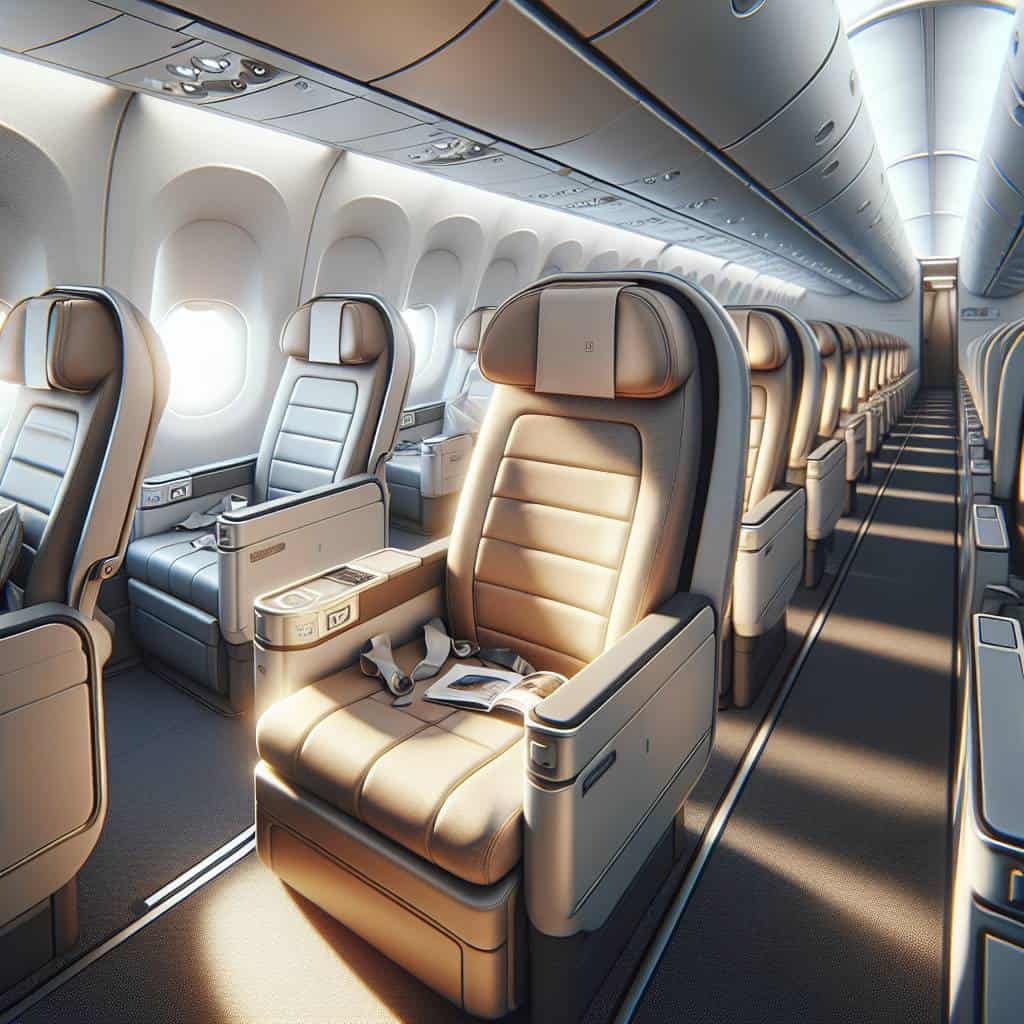
Now, before you dive into your wallet for your next flight, let’s strip away the glossy facade of premium economy and see it for what it truly is. In this article, we’ll slice through the airline jargon to reveal whether those extra inches of space and slightly improved service really deliver value for money. I’ll also compare it to other travel classes, evaluating if the so-called ‘upgrade’ is anything more than a shiny new label on the same old product. Let’s dig in and uncover the unvarnished truth about this middle-ground conundrum.
Table of Contents
The Art of Extra Space: Does Value for Money Really Fly?
Walking the narrow aisle of a plane, every inch of space feels like a commodity. The airlines know this, and they play it to their advantage. They dangle the carrot of “extra space” in front of us like it’s a golden ticket to aerial bliss. But let’s cut through the marketing gloss. Is that extra space worth the premium price? Sure, a few more inches of legroom might save you from a cramp and a half, but when you boil it down, is it really a game changer or just a clever way for airlines to squeeze more out of your wallet?
The allure of premium economy is real. They promise a cocoon of comfort—more space, better food, priority boarding. It sounds like a dream when you’re crammed in economy like sardines. But here’s the unvarnished truth: those perks often come with a hefty price tag. And if we’re being brutally honest, the “extra” is often more of a psychological cushion than a physical one. Yes, there’s a bit more room to stretch, but unless you’re flying long-haul, the value can be dubious. Does the slightly elevated experience justify the significantly elevated cost? For some, maybe. But for many, it might just be a luxury dressed up as a necessity.
Let’s not forget the elephant in the cabin: the service. Airlines tout premium economy as a middle ground between the cattle class and business, but the service reality can often be hit-or-miss. What you’re really paying for is an illusion of exclusivity. It’s a crafted experience that whispers of luxury but rarely delivers the full symphony. So, before you swipe that card, ask yourself if the marginal comfort is worth the very real dent in your travel budget. Because in the sky-high world of airline marketing, value for money doesn’t always fly.
The Illusion of Heightened Comfort
Paying for premium economy is often like buying a mirage in the desert—more space, yes, but not necessarily more value.
The Final Descent into Reality
In the end, my journey through the clouds of premium economy has been more revealing than relaxing. Sure, there are perks—an extra inch here, a complimentary drink there. But let’s not kid ourselves: these are distractions, not transformations. The airlines dress up these marginal improvements in the emperor’s new clothes, hoping we won’t notice we’re paying top dollar for marginal gains. The real question isn’t whether premium economy is worth it, but why we’re so willing to pay for the illusion of value.
What I’ve discovered is that the heart of the matter lies not in inches or service, but in the stories we tell ourselves. The allure of premium economy is a mirage crafted from our own desires for comfort and status. So, the next time you’re tempted by the promise of a little extra space, ask yourself if the story is worth the price. Maybe it’s time to redefine what value truly means, beyond the confines of an airplane cabin.