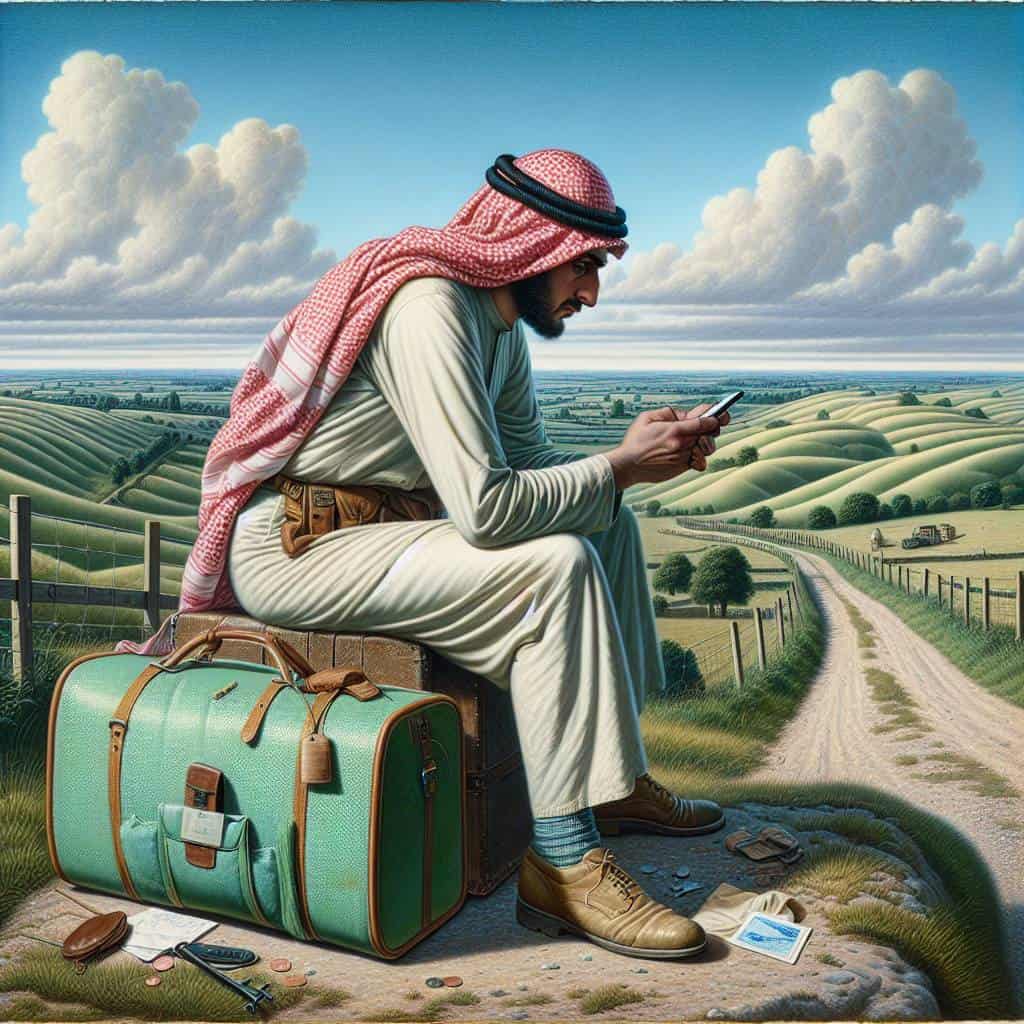
I once looked around my cluttered apartment and realized my stuff was like an uninvited guest that refused to leave. Each item seemed to mock me, a silent reminder of money hemorrhaged on whims and false promises of happiness. Minimalism wasn’t some grand epiphany; it was the cold, hard wake-up call that if I wanted to stop living paycheck to paycheck, I had to stop funding my own personal museum of useless junk. Living in a village taught me to cut through the noise, and in this case, the noise was the incessant clatter of things I didn’t need, but had convinced myself I couldn’t live without.

So here’s what we’re diving into: stripping life down to essentials isn’t just about creating a Zen-like space or Instagram-worthy interiors. It’s about reclaiming your finances, funding adventures instead of accumulating dust collectors, and designing a life that doesn’t have you chained to a job just to pay off a mountain of credit card debt. We’re going to explore how owning less isn’t just freeing; it’s financially savvy. Because let’s face it, experiences beat owning a third cheese grater any day.
Table of Contents
How Owning Less Became My Accidental Savings Plan
I’ll be honest—minimalism wasn’t my holy grail or some premeditated plan to pad my bank account. It was more like stumbling blindly into a realization: my possessions were just money in disguise, sitting there collecting dust. It hit me like a sledgehammer when I found myself auditing my closet, only to discover I was hoarding a wardrobe fit for a small militia. Each piece was a silent testament to a moment of weakness, a promise of self-improvement that never came to fruition. And you know what? The price tags were the real ghosts, haunting me with the amount of cash I’d buried in fabric. So I started selling, donating, and ditching the excess. As the hangers thinned, my wallet, unexpectedly, began to grow.
This wasn’t just a purge of possessions; it was a financial detox. Imagine realizing that every coffee table book and gadget was a missed opportunity to fund something you actually cared about—like travel. I started redirecting my newfound financial freedom into experiences, not things. And guess what? I didn’t feel deprived; I felt liberated. Designing my lifestyle around what truly mattered allowed me not only to save money but to reclaim my time and energy. It’s like waking up from a consumerist coma, where buying less became my unintentional savings plan. And suddenly, the world seemed a lot bigger, no longer confined by the clutter I once thought I needed.
The Cash-Saving Epiphany
Owning less is like giving your wallet a get-out-of-jail-free card; suddenly, it’s liberated to fund experiences rather than dust collectors.
The Bank Balance of Emptiness
There’s a strange freedom in realizing that my worth isn’t tethered to the things I own. The less I have, the less I need, and somehow, the more I gain. Money not spent on transient trinkets becomes fuel for real experiences—like that trip to the coast where the sound of waves was the only thing I needed to hear. My bank balance might not scream opulence, but it hums a steady tune of possibilities.
And here’s the kicker: by owning less, I’ve designed a lifestyle that doesn’t demand constant financial CPR. It’s not about deprivation; it’s about intentionality. Each dollar saved is a vote cast for what truly matters. My journey through the financial side of minimalism isn’t just about pinching pennies; it’s about crafting a life that feels full by embracing the empty spaces. It’s about realizing the less I own, the more I live. And maybe that’s the truth the winds were howling all along.