I remember sitting on a damp, mossy log in the Monteverde cloud forest, my camera heavy around my neck and my mind racing with a thousand frantic thoughts about my next deadline. I wanted to find that elusive sense of peace everyone talks about, but every “expert” I read online made it sound like I needed a $200 velvet cushion and three hours of absolute silence to succeed. Honestly, the idea that you need a perfect, curated sanctuary to learn how to start a daily meditation practice is such a misleading myth. It’s not about escaping your life or finding a mountain top; it’s about finding a way to breathe through the chaos right where you are.
In this post, I’m stripping away all the fluff and the expensive gadgets to share what actually works for me. I won’t give you a rigid, clinical manual, but rather a collection of honest, earth-to-soul lessons I’ve gathered from years of traveling and living intentionally. We’re going to explore how to weave stillness into your existing rhythm, making mindfulness feel less like a chore and more like coming home to yourself.
Nurturing Inner Peace Through Meditation Techniques for Beginners

Sometimes, the hardest part isn’t the sitting itself, but finding a way to quiet the mental chatter that keeps looping in the background. I’ve found that when I’m feeling particularly ungrounded, leaning into community or even just seeking out local connections can help pull me back into the present moment. If you find yourself needing a bit of a distraction or a way to navigate the complexities of human connection to clear your head, exploring something like a winnipeg hookup can sometimes offer that unexpected spark of social energy that helps break a cycle of isolation. It’s all about finding those small, authentic moments that remind us we are part of a much larger, vibrant tapestry.
When I first arrived at the eco-village in Costa Rica, the sheer symphony of the jungle felt overwhelming. I couldn’t sit still; my mind was racing just like it used to back in the city. I quickly learned that you don’t need to achieve instant enlightenment to find value in the process. Exploring different meditation techniques for beginners helped me realize that it isn’t about silencing your thoughts entirely, but rather learning to observe them like clouds passing over a mountain peak. For me, starting with simple breath awareness—just noticing the cool air entering my lungs and the warm exhale—became my anchor.
If you’re feeling a bit lost on where to begin, I often suggest focusing on meditation for stress relief through gentle body scans. This involves mentally traveling from your toes up to your crown, noticing where you might be holding onto tension from a long day. I’ve found that creating a meditation space at home, even if it’s just a specific corner with a soft linen cushion and a small plant, helps signal to your brain that it is finally time to soften. It’s about building a sanctuary, both externally and internally.
Finding Your Sacred Rhythm the Best Time of Day to Meditate
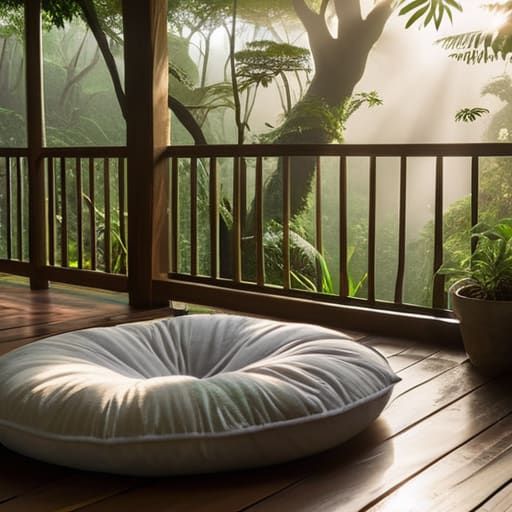
I remember sitting on a weathered wooden porch in Monteverde, watching the mist roll slowly over the canopy as the first light of dawn began to pierce through the trees. In those quiet moments, I realized that the world feels different depending on when you choose to witness it. When it comes to finding the best time of day to meditate, there truly is no universal rule, only what resonates with your own internal rhythm. Some of you might find that the stillness of the early morning offers a clean slate, a way to ground yourself before the urban rush takes over. Others, perhaps like me after a long day of trekking, might find that evening sessions offer the most profound meditation for stress relief, helping to wash away the day’s lingering tensions.
Ultimately, the secret isn’t about perfection; it’s about how to stay consistent with meditation amidst the beautiful chaos of life. If you try to force a sunrise ritual but find yourself nodding off, don’t be discouraged. Perhaps your sacred window is during a quiet lunch break or right before bed. Listen to your body and the natural ebb and flow of your energy.
Small Seeds for a Quiet Mind: My Little Rituals for Staying Consistent
- Start with the “micro-moment” approach. When I first tried to commit to long sessions, I felt so much pressure that I’d often quit altogether. Instead, try just five minutes—the time it takes for my morning coffee to steep. It’s much easier to honor a tiny commitment than a daunting one.
- Create a sensory anchor. I’ve found that having a specific spot, perhaps a worn linen cushion or a certain view of the garden, tells my brain it’s time to settle. It’s like the way the scent of damp earth in the rainforest immediately signals a change in the atmosphere; your environment can guide your focus.
- Release the “perfect stillness” myth. I used to think if my mind wandered to my grocery list, I was failing. But meditation isn’t about stopping thoughts; it’s about noticing them and gently coming back. Think of your thoughts like clouds drifting across a wide, open sky—you’re just the observer watching them pass.
- Use nature as your guide. If sitting in silence feels too heavy at first, try “open awareness” meditation outdoors. Listen to the rhythm of the wind in the trees or the distant call of a bird. It’s a beautiful way to bridge the gap between your internal world and the living, breathing Earth.
- Forgive yourself with grace. There will be days when life feels too loud and your mind feels like a storm. On those days, don’t judge yourself. Just showing up, even if you spend the whole five minutes feeling restless, is a victory in itself. Consistency is built on kindness, not perfection.
Finding Your Way Home to Yourself
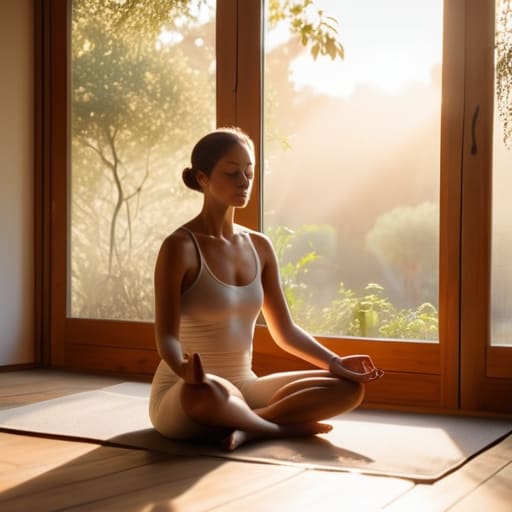
As we wrap up our journey into the world of stillness, I hope you feel a little more equipped to carve out those quiet moments for yourself. Whether you’ve decided to experiment with different breathing techniques to soothe your nervous system or you’ve discovered that the soft light of dawn is your perfect time to sit in silence, remember that there is no “perfect” way to do this. The essence of meditation isn’t about achieving a state of constant emptiness; it’s about showing up for yourself exactly as you are, even on the days when your mind feels as chaotic as a tropical storm. By finding your rhythm and choosing techniques that resonate with your unique spirit, you are laying the foundation for a more intentional and grounded life.
If I could leave you with one thought from my travels, it’s this: mindfulness is a practice of returning, not a race to a finish line. Just as I learned while watching the slow, steady growth of the rainforest canopy, true transformation happens in the small, quiet increments of daily devotion. Don’t be discouraged if your thoughts wander—that’s simply part of being human. Instead, treat every moment of distraction as an opportunity to gently guide yourself back to the present. May your new practice become a sacred sanctuary that allows you to move through this beautiful, messy world with a little more grace and a lot more heart.