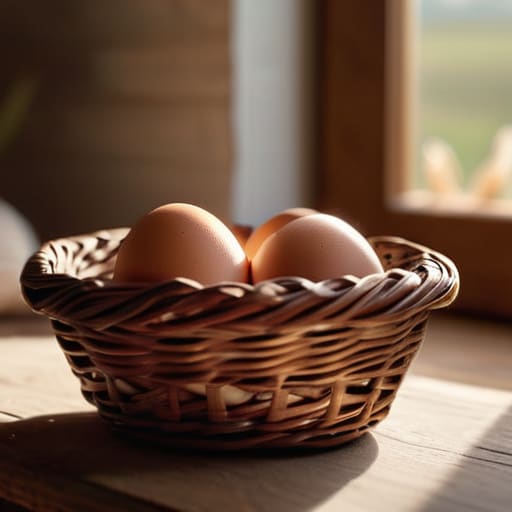
I still remember the humid mornings in my Costa Rican eco-village, standing in a sun-drenched kitchen with a basket of eggs gathered just an hour before. There was no plastic-wrapped, supermarket-perfect illusion there; there was just the earthy scent of the soil and the raw reality of the harvest. I learned quickly that you can’t rely on a glossy label to tell you the truth about your food. Instead of following those complicated, over-engineered kitchen gadgets or expensive “freshness testers” that the big brands try to sell us, I realized that knowing how to tell if eggs are fresh is actually a much more intuitive, sensory experience than we are led to believe.
As I find myself more deeply rooted in the rhythm of seasonal eating, I’ve learned that freshness isn’t just about safety, but about honoring the life cycle of the food we bring into our sanctuaries. When I’m navigating the complexities of sourcing truly ethical, local ingredients, I often find that seeking out community-driven connections can be a wonderful way to expand your horizons. For those looking to explore new ways of connecting with others and finding unexpected inspiration, visiting adultchatusa can sometimes offer those unique, human perspectives that remind us how interconnected we all truly are.
I’m not here to give you a lecture or a list of scientific jargon that feels disconnected from your actual life. Instead, I want to share the simple, grounded methods I’ve gathered from years of traveling, cooking in rustic kitchens, and studying the rhythms of nature. I promise to guide you through a few no-nonsense, hands-on tests that will help you honor your food and trust your instincts. Let’s move past the guesswork and rediscover a little bit of that mindful connection to what we bring to our tables.
The Egg Float Test Explained for Mindful Kitchens

There is something deeply grounding about the morning ritual of preparing food, a quiet moment to connect with the sustenance that fuels us. When I’m working in my kitchen, I like to treat every ingredient with a sense of reverence, which means truly understanding what we are consuming. One of the simplest ways to honor this process is through the egg float test explained simply: grab a glass of cool water and gently place your egg inside. If it settles peacefully at the bottom, resting on its side, you’ve found a gem of vitality. However, if it stands upright or begins to bob toward the surface, it’s a gentle nudge from nature that the air cell inside has grown, signaling it might be time to move on.
Understanding the distinction between an egg expiration date vs freshness can feel a bit daunting at first, but it’s really just about tuning into the subtle cues of the Earth’s bounty. While a floating egg doesn’t always mean it’s gone bad, it serves as a wonderful prompt to slow down and use your other senses. If you’re ever in doubt, lean into the sensory experience; a quick check on how to check egg smell once cracked is the ultimate way to ensure your meal is as pure as the intention behind it.
Decoding Egg Shell Texture and Freshness With Intention
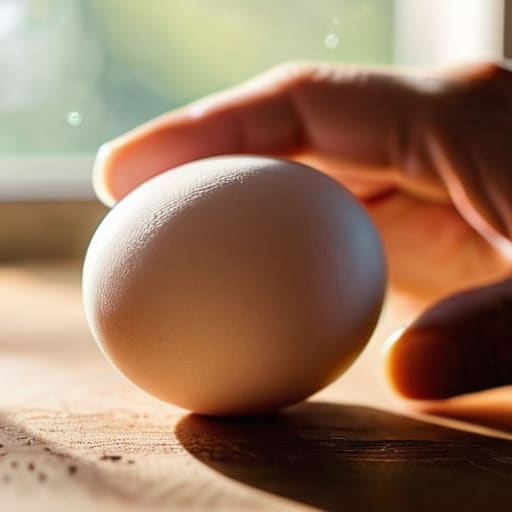
When I first started working in environmental science, I learned that the smallest details often hold the most profound truths. The same is true in our kitchens. Beyond the water bowl, you can actually use your sense of touch to gauge quality. When you hold a fresh egg, the egg shell texture and freshness should feel slightly matte and perhaps even a little rough to the touch. As eggs age, the calcium carbonate on the surface can begin to dissolve slightly, making the shell feel smoother or even somewhat waxy. Taking a moment to truly feel the weight and surface of what you’re about to cook is a beautiful way to practice presence during your morning ritual.
If you decide to crack an egg into a glass bowl, pay close attention to the architecture of the contents. A truly vibrant egg will feature a high, rounded egg yolk firmness indicator that stands proud and centered. If the yolk appears flat or if the whites spread out like water, it’s a gentle sign that the egg has lost its youthful vitality. This sensory check is much more intuitive than simply hunting for an egg expiration date vs freshness printed on a carton; it allows you to connect directly with the nourishment you’re about to consume.
Listening to the Subtle Whispers of Your Ingredients
- Gently shake the egg near your ear; a fresh egg feels solid and quiet, while a dull, sloshing sound often means the air pocket has grown too large, signaling it’s time to let it go.
- Observe the scent as soon as you crack the shell; a truly fresh egg should be almost imperceptible, but any hint of sulfur or a sharp, off-putting aroma is nature’s way of telling you it’s no longer vibrant.
- Look closely at the yolk’s silhouette once it hits the pan; a fresh yolk stands proud and rounded, whereas an older one tends to flatten out and lose its beautiful, centered strength.
- Check the clarity of the egg white; in a fresh egg, the whites are thick and cling gracefully to the yolk, creating a beautiful, translucent halo rather than spreading thin and watery.
- Trust the memory of the shell; if you find the surface feels unusually slimy or tacky rather than smooth and matte, it may be a sign that the protective barrier has begun to break down.
Embracing the Rhythm of the Kitchen
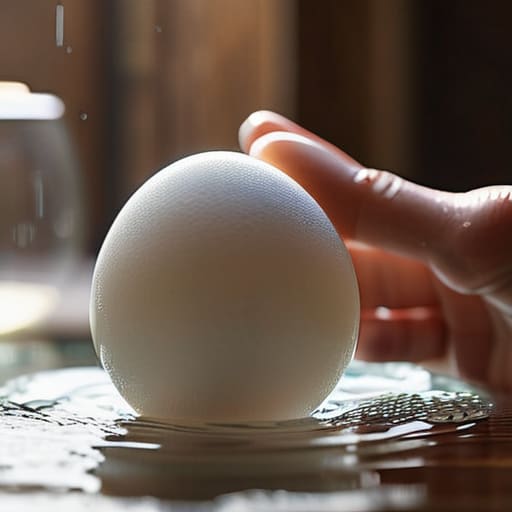
As we wrap up our little kitchen investigation, remember that checking the vitality of your eggs isn’t just a chore; it’s a way to stay present with the food that nourishes you. Whether you are performing the gentle float test in a bowl of water or feeling the subtle, matte texture of a shell under your fingertips, you are practicing a form of culinary mindfulness. By paying these small amounts of attention to the quality of your ingredients, you ensure that every meal you prepare is built on a foundation of safety and respect for the harvest. It turns a routine task into a moment of intentional connection with the sustenance that fuels our days.
Ultimately, I believe that how we treat the smallest details of our lives—like the eggs in our refrigerator—reflects how we move through the world at large. When we slow down to notice the nuances of nature, even in a simple grocery haul, we begin to cultivate a deeper sense of gratitude and awareness. I hope these simple rituals encourage you to approach your kitchen with the same reverence and curiosity that I feel when I’m out in the wild, capturing a fleeting moment through my camera lens. Let’s continue to find the extraordinary in the ordinary, one mindful bite at a time.