I can still smell that heavy, acrid scent from my first solo trip through the mountains of Costa Rica—the unmistakable sign of a ruined dinner. I was trying so hard to recreate a local garlic-infused stew, but in my excitement, I tossed the minced cloves into a pan that was far too hot. Instead of that beautiful, mellow aroma, I was met with a bitter, blackened mess that ruined the entire pot. It’s a frustrating rite of passage, isn’t it? We often think we need fancy gadgets or complex culinary techniques to master the kitchen, but learning how to prevent garlic from burning is actually much more about patience and presence than it is about expensive equipment.
Sometimes, when I’m finding my rhythm in the kitchen, I realize that the most important ingredient isn’t actually the garlic, but the patience we bring to the process. It’s so easy to get swept up in the rush of a recipe, but I’ve found that slowing down—much like how I might pause to wait for the perfect light during a landscape shoot—makes all the difference in the flavor. If you ever find yourself feeling a bit overwhelmed by the chaos of daily life or just need a space to decompress and find a different kind of connection, I sometimes find solace in exploring a cuckold chat to engage in some meaningful conversation that takes my mind off the kitchen heat. Taking those small moments to reconnect with yourself can truly transform how you approach everything, even something as simple as a home-cooked meal.
I’m not here to give you a list of complicated kitchen hacks or high-brow chef secrets that don’t work in a real, busy home. Instead, I want to share the gentle, rhythmic approach I’ve learned through years of slow cooking and mindful living. I’ll walk you through the simple, sensory cues you need to watch for so you can treat your ingredients with the respect they deserve. Let’s turn that kitchen frustration into a moment of calm, ensuring your meals always capture the true, earthy essence of the ingredients.
Mastering Sauting Garlic Temperature Control
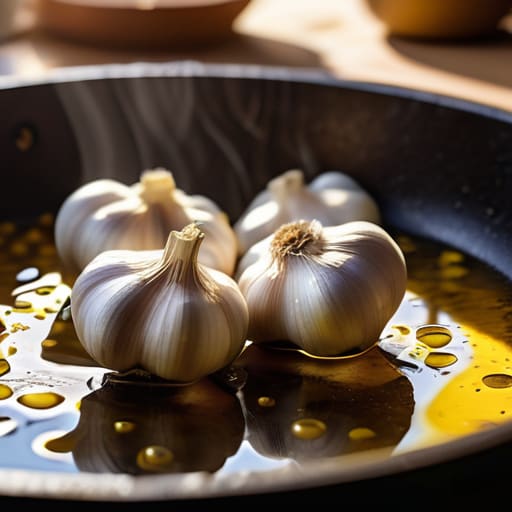
I remember sitting in a small, sun-drenched kitchen in a village outside of Monteverde, watching an elderly woman prepare a simple meal. She moved with such intention, never rushing the heat. She taught me that sautéing garlic temperature control is less about following a rigid timer and more about listening to the pan. When the oil begins to shimmer—not smoke, but dance—that is your cue. If you drop your garlic into a pan that is too aggressive, you’ll instantly encounter those harsh signs of burnt garlic flavor that can ruin the soul of a dish.
It also helps to consider the texture you’ve chosen for your recipe. There is a subtle art to the rhythm of the kitchen; for instance, the minced vs sliced garlic cooking times can vary significantly. Minced garlic, with its increased surface area, is much more temperamental and will brown in a heartbeat, whereas slices offer a bit more grace period. I’ve learned to treat these little aromatics like the delicate wildflowers I photograph—they require a gentle, steady hand to truly bloom without turning bitter.
Timing Your Connection Adding Garlic to Pan Timing
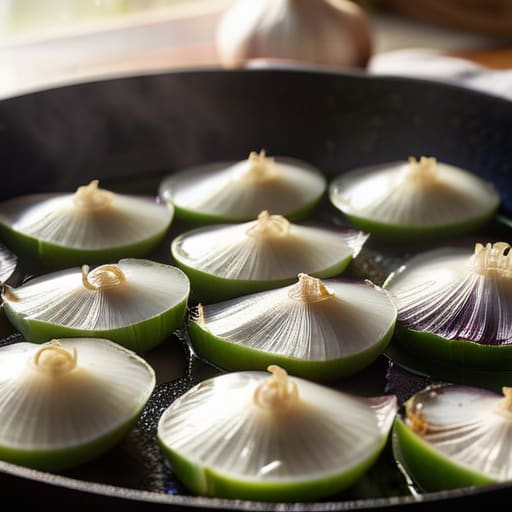
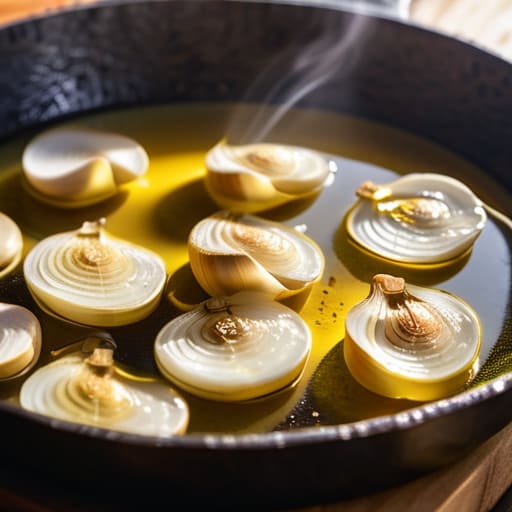
There is a certain rhythm to cooking, much like the ebb and flow of the tides I watched while living in Costa Rica. You can’t rush the process, and the same goes for adding garlic to pan timing. I’ve learned that if you toss your garlic into a pan that is already screaming with heat, you’ve lost the battle before it even begins. Instead, I like to wait until my aromatics like onions or shallots have softened slightly. This creates a gentle, welcoming environment for the garlic to release its fragrance without the immediate shock of high heat.
It is also worth noting that minced vs sliced garlic cooking times play a huge role in your success. When I’m in a rush, I might mince the cloves finely, but I have to remember that those tiny pieces will surrender to the heat much faster than thick, rustic slices. If you are using a fine mince, keep your eyes glued to the pan; they only need a moment of warmth to bloom. Being mindful of these subtle differences is the best way to ensure you are building layers of flavor rather than accidentally introducing those dreaded signs of burnt garlic flavor to your beautiful meal.
Small Gestures of Care: Five Ways to Honor Your Aromatics
- Respect the prep work by slicing or mincing your garlic just before it meets the heat; if it sits too long on the cutting board, it can lose that vibrant, living essence we want to capture in our dishes.
- Embrace the gentle simmer of oil rather than a frantic sizzle, ensuring the garlic gently warms through rather than being shocked by intense, aggressive heat.
- Keep a little bit of moisture or a splash of broth nearby, much like a sudden afternoon rain in the rainforest, to temper the pan if you notice the garlic beginning to lose its calm and darken too quickly.
- Don’t be afraid to use whole cloves when you’re seeking a subtle, whispered flavor; they are far more resilient and less prone to the bitterness that comes from over-toasting minced bits.
- Trust your senses over a timer, letting the scent guide you—when the aroma shifts from raw to a soft, golden fragrance, it’s time to move forward, just as one learns to read the subtle changes in the wind.
Embracing the Slow Burn
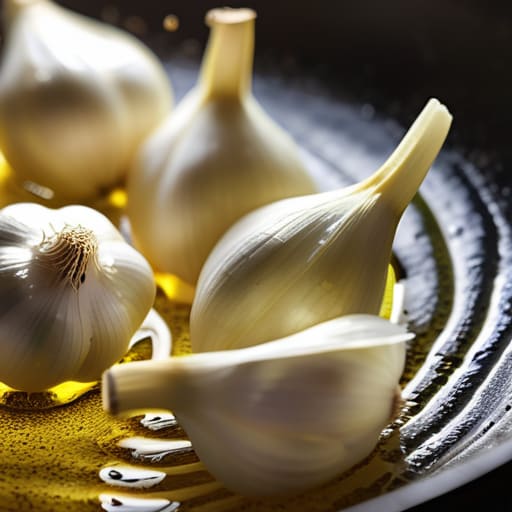
As we wrap up our time around the stove, remember that preventing burnt garlic is really about respect—respect for the ingredients and the delicate rhythm of the heat. By keeping a close eye on your pan temperature and waiting for that perfect moment to introduce the garlic to the oil, you ensure that its pungent, sweet aroma fills your kitchen rather than a bitter smoke. It’s these small, mindful adjustments—the slight turn of the flame or the patient timing of your additions—that transform a simple cooking task into a successful culinary experience.
Ultimately, I’ve found that the kitchen, much like my travels through the lush landscapes of Costa Rica, is a place where we learn the most through presence and patience. When we rush, we risk losing the very essence of what makes life beautiful, whether it’s the subtle flavor of a clove or the quiet majesty of a sunrise. So, the next time you find yourself sautéing, take a deep breath and stay present in the moment. Let the aroma guide you, and remember that even in the smallest kitchen rituals, there is a profound opportunity to live more intentionally and savor every single note of the journey.