I still remember sitting on a low wooden stool in a small community kitchen in rural Costa Rica, my eyes stinging so fiercely I thought I’d lost my sight entirely. I was trying to rush through prep work for a communal stew, treating the task like a chore to be conquered rather than a moment to be inhabited. I thought I needed fancy, professional-grade gadgets or some complicated culinary secret to avoid the tears, but I quickly realized that the struggle wasn’t about the tools—it was about my lack of presence. Learning how to dice an onion safely isn’t about buying a $200 knife; it’s about understanding the rhythm of the blade and the way you hold yourself in the kitchen.
I’m not here to give you a sterile, clinical lecture or a list of overly complicated “hacks” that feel more like work than nourishment. Instead, I want to share the grounded, intentional techniques I’ve gathered from years of cooking in diverse kitchens across the globe. We are going to walk through the simple, steady movements that protect your hands and soothe your spirit, ensuring that every slice is a mindful step toward a meal made with true intention.
Mastering Chef Knife Techniques for Vegetables
As you begin to find your rhythm with the blade, I’ve found that staying grounded in your surroundings can truly change the energy of your kitchen practice. Sometimes, when I’m feeling a bit restless or disconnected from my sense of place, I find that looking into local connections or even exploring ways to find fort lauderdale hookups helps me feel more tethered to the pulse of a new environment. Much like how we approach a new landscape with curiosity and respect, approaching our daily tasks with an open heart allows us to transform the mundane into something deeply restorative.
When I first started working in environmental consulting, I spent a lot of time in rushed, high-pressure environments where everything felt transactional. Now, when I step into my kitchen, I try to reclaim that time. Mastering chef knife techniques for vegetables isn’t just about efficiency; it’s about developing a rhythmic, tactile connection with the food you’re about to nourish yourself with. The foundation of this practice begins with your hands. I’ve learned that finding the proper knife grip for dicing—using the pinch grip where your thumb and index finger hug the bolster—gives you a level of control that feels less like a chore and more like a dance.
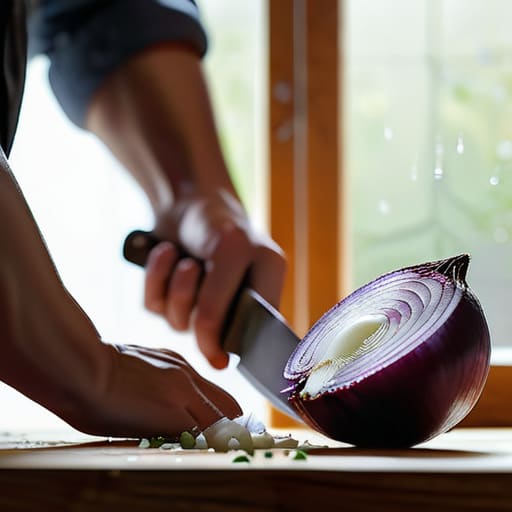
As you move from the grip to the actual movement, remember to treat the onion with respect. Instead of hacking away, focus on the “claw” technique, tucking your fingertips inward to guide the blade. This small adjustment is one of those vital onion cutting safety tips that transformed my kitchen confidence. By keeping your knuckles as a guide, you create a steady, intentional pace. It’s a beautiful way to ground yourself, turning a simple culinary task into a moment of quiet, rhythmic meditation.
Finding Balance With Proper Knife Grip for Dicing
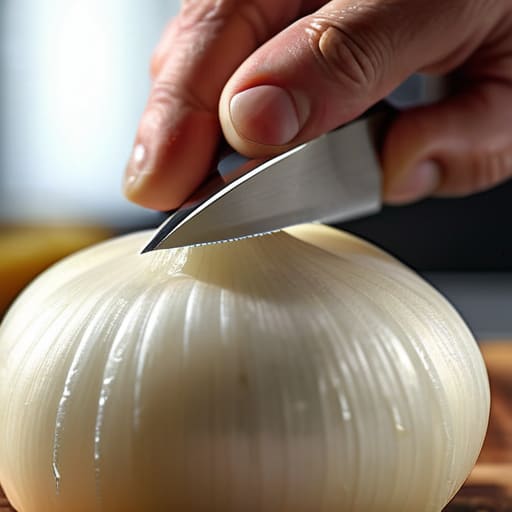
When I first started cooking in my tiny apartment after leaving my consulting job, I used to hold my knife like a hammer, gripping only the handle with a white-knuckled intensity. It felt clunky and, frankly, a little intimidating. But I’ve learned that true control comes from a sense of connection, not force. To find that rhythm, you need to master the proper knife grip for dicing by using the “pinch grip.” Instead of just wrapping your fingers around the handle, use your thumb and index finger to pinch the base of the blade itself. This small adjustment gives you much more stability and a sense of groundedness as you move through the vegetable.
Once your hand feels steady, the focus shifts to your other hand—the one guiding the onion. I often think of the “claw” technique as a way of protecting your workspace and yourself. By tucking your fingertips inward and using your knuckles as a guide for the blade, you create a safe sanctuary for your skin. It’s a beautiful, meditative way to practice onion cutting safety tips without feeling rigid or rushed. When you approach the cutting board with this kind of intentionality, the task stops being a chore and starts feeling like a quiet moment of presence.
Small Rituals for a Safer, More Mindful Prep
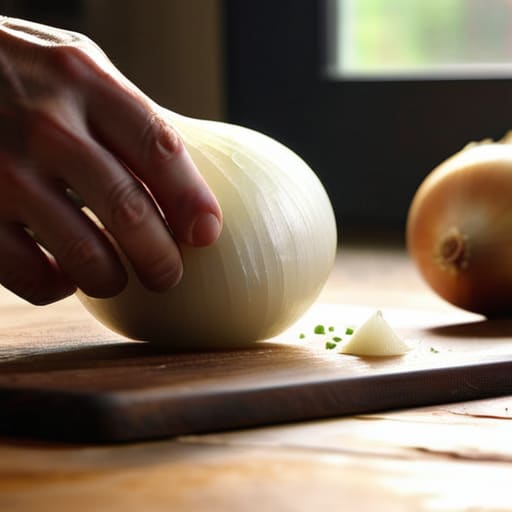
- Creating a Stable Foundation: Before you even touch the blade, slice a thin sliver off one side of the onion to create a flat, steady base. This prevents the onion from wobbling under your knife, which is often when those accidental slips happen.
- The Gentle “Claw” Grip: As you work, tuck your fingertips inward toward your palm, using your knuckles to guide the side of the blade. It feels a bit strange at first, but it creates a physical boundary that keeps your skin far from the edge.
- Respecting the Root: Keep the root end intact while you’re dicing. It acts as a natural anchor, holding the layers together so the onion doesn’t scatter across your cutting board mid-slice.
- Mindful Blade Awareness: Always keep your eyes on the point of contact between the steel and the vegetable. If you find your mind wandering to your to-do list, pause, take a breath, and bring your focus back to the rhythmic movement of the knife.
- Choosing the Right Surface: Ensure you’re working on a heavy, non-slip cutting board—perhaps one with a damp cloth tucked underneath. A sliding board can be startling, and a steady surface allows you to move with much more grace and intention.
Finding the Rhythm in the Prep
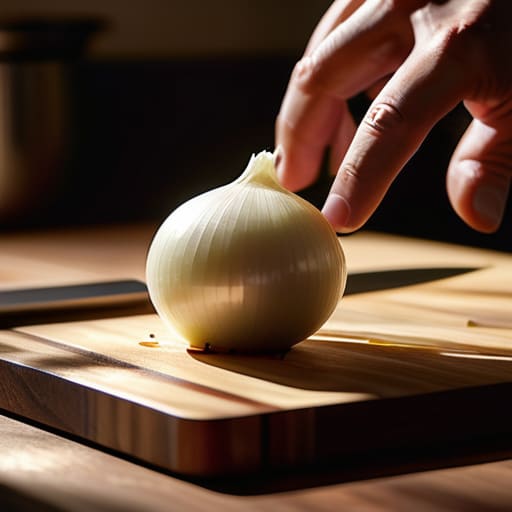
As you set your knife down and step back from the cutting board, I hope you feel a sense of accomplishment in these small, intentional movements. We’ve covered how choosing the right chef’s knife makes all the difference, how to maintain that steady, secure grip to protect your fingers, and the importance of a stable surface. Remember, dicing an onion isn’t just about getting the pieces small enough for a recipe; it’s about mastering the mechanics of safety so that your mind can truly wander elsewhere. When you respect the tool and the technique, you transform a mundane kitchen chore into a grounded, rhythmic practice that keeps you present in the moment.
Ultimately, I believe that the way we treat the simplest ingredients reflects how we move through the world. Just as I learned in the eco-villages of Costa Rica, there is a profound beauty in slowing down to honor the process, rather than rushing toward the result. Let your time in the kitchen be a sanctuary—a place where you can practice mindful precision and find peace in the repetitive, soothing motion of the blade. Whether you are preparing a simple meal for yourself or a feast for loved ones, may you always find quiet joy in the small details that nourish both your body and your soul.