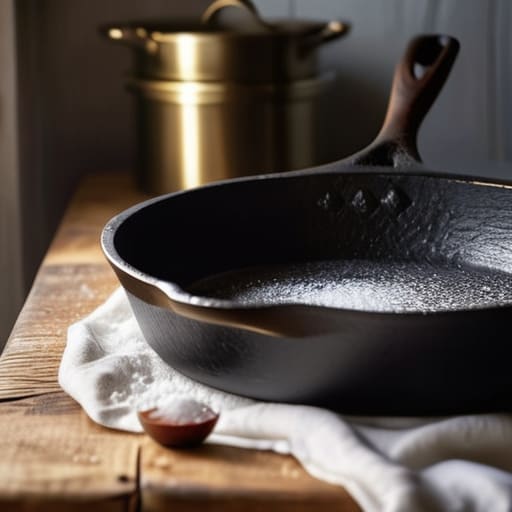
I remember sitting in a tiny, sun-drenched kitchen in a small village outside of Monteverde, watching an elderly woman tend to her heavy, blackened pans with a reverence that felt almost sacred. For years, I’d been told that cast iron was high-maintenance—a finicky, temperamental beast that would rust the moment you looked away. But as I watched her, I realized that learning how to season a cast iron skillet isn’t about following a rigid, stressful set of rules; it’s actually about building a relationship with a tool that is meant to last a lifetime.
I’m not here to give you a complicated, chemistry-heavy lecture or a list of expensive, specialized oils you’ll never use again. Instead, I want to share the simple, soulful rhythm I’ve discovered through years of slow cooking and mindful living. In this guide, I’ll walk you through a practical, no-nonsense approach to seasoning your pan so it becomes a reliable heirloom. We’ll strip away the intimidation and focus on the gentle, consistent care required to create a natural, non-stick surface that makes every meal feel a little more grounded.
Guide Overview
Tools & Supplies
- Oven (used for heating the skillet)
- Paper towels (for applying oil)
- Lint-free cloth (for buffing)
- Cast iron skillet (1 unit)
- Cooking oil (e.g., flaxseed, grapeseed, or vegetable oil, 2-3 tablespoons)
- Mild dish soap (1 small amount for initial cleaning)
Step-by-Step Instructions
- 1. Before we begin the ritual, we need to clear the canvas. If your skillet has any lingering bits of food or a bit of rust from a previous life, give it a gentle scrub with warm water and a soft brush. I like to think of this as clearing away the old energy to make room for something new and nourishing. Just be careful not to use harsh soaps if you can help it; we want to preserve whatever foundation is already there.
- 2. Once it’s clean and thoroughly dried—and I mean really dry, perhaps even sitting it on a warm stove burner for a moment to ensure no moisture lingers—it’s time to apply the oil. I find that using a high-smoke point oil, like grapeseed or even a light flaxseed oil, works beautifully. Take a small amount on a paper towel and rub it all over the surface, making sure to reach the handles and the underside. It should look glistening and even, like dew on a morning leaf.
- 3. Now, here is the part that requires a bit of patience and presence. Take a clean paper towel and wipe away the excess oil. You want the pan to look almost matte, not dripping. If you leave too much oil, it will become sticky and gummy rather than smooth and hard. It’s a delicate balance, much like finding the right rhythm in a long hike; you want just enough to coat, but not so much that it weighs you down.
- 4. Place your skillet into a preheated oven. I usually aim for about 450°F (230°C). Let it bake there for about an hour. As the heat rises, the oil undergoes a beautiful transformation called polymerization, turning from a liquid into a solid, protective layer. I often find myself sitting quietly with a cup of tea during this time, appreciating the slow, steady magic happening inside the oven.
- 5. After the hour is up, turn off the heat and let the pan cool down completely inside the oven. This slow cooling process is vital for the integrity of the seasoning. Rushing this step is like trying to force a flower to bloom before it’s ready; you want to allow the process to unfold naturally so the bond becomes truly resilient.
- 6. Repeat this cycle a few more times if you are starting with a brand-new pan or one that feels a bit lackluster. Each layer adds a new depth of character and non-stick capability. I like to view each layer as a new chapter in a story, building upon the last to create something strong, seasoned, and capable of nourishing us for decades to come.
Choosing the Best Oil for Seasoning Cast Iron With Intention
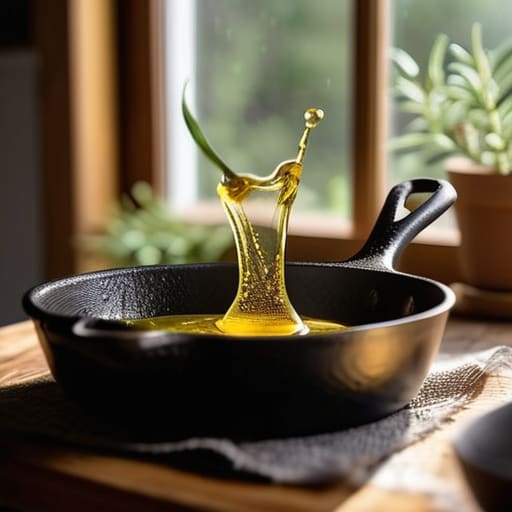
When I first started my journey into slow, intentional cooking, I used to think any oil from the pantry would do. But I quickly learned that selecting the best oil for seasoning cast iron is a bit like choosing the right soil for a seedling; it sets the foundation for everything that follows. For a truly resilient cast iron non-stick surface, I find that oils with high smoke points—like grapeseed or avocado oil—are my most trusted companions. They stand up to the heat of the oven without breaking down, allowing that beautiful, dark patina to bond deeply with the metal.
I often find myself reflecting on the wisdom of the artisans I met during my travels, who viewed their tools as living extensions of their craft. Treating your skillet with the right medium isn’t just about utility; it’s a form of care. While flaxseed oil is a popular suggestion, it can sometimes become brittle and flake over time. By choosing a stable, high-quality oil, you aren’t just performing a chore; you are participating in a soulful ritual of preservation that ensures your heirloom remains a centerpiece of your kitchen for generations to come.
Mastering the Oven Seasoning Method for a Natural Non Stick Surface
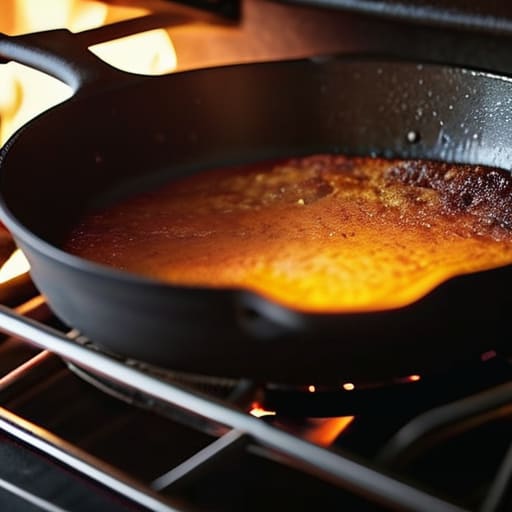
While stovetop seasoning is wonderful for quick touch-ups, I’ve found that the oven seasoning method is truly where the magic happens. It’s a bit like letting a forest floor settle into its natural rhythm; the consistent, enveloping heat of the oven allows the oil to bond deeply with the metal, creating a more resilient foundation. When you slide that skillet into the heat, try to place it upside down on the middle rack. This little trick prevents any stray droplets from pooling at the bottom, ensuring you achieve that coveted, even cast iron non-stick surface that makes every meal feel effortless.
As you wait for the process to complete, I encourage you to view this time as a moment of patience. Much like the slow growth of the ancient trees I photographed in Costa Rica, a great patina cannot be rushed. Once the oven is off, let the skillet cool completely inside the chamber. This gradual cooling is one of my favorite cast iron maintenance tips because it prevents sudden temperature shifts that could lead to microscopic cracks. Taking this extra time ensures your heirloom remains a steadfast companion in your kitchen for years to come.
Small Rituals for a Lifetime of Connection: My Top 5 Tips for Honoring Your Skillet
- Listen to the metal. Just as I’ve learned to read the subtle shifts in a forest landscape, your skillet speaks to you. If it starts to feel sticky or sounds different when you’re cooking, it’s simply asking for a little extra attention and a fresh layer of love.
- Embrace the beauty of imperfection. Don’t stress if your seasoning isn’t a perfectly uniform, jet-black mirror right away. Much like the rugged beauty of a mountain range, a seasoned pan develops its character through layers of time, heat, and use.
- Let the cleaning process be a moment of mindfulness. Instead of scrubbing away with harsh chemicals that strip the soul from your pan, use a gentle touch—perhaps a bit of coarse salt and a soft cloth—to clear away the old while preserving the history you’ve built.
- Keep your tools dry and cherished. After a gentle wash, always ensure your skillet is heated on the stove for a few minutes to evaporate every drop of moisture. Think of it as drying off after a refreshing rain, ensuring nothing sits stagnant or causes rust.
- Cook with intention to build your patina. The best way to season a pan isn’t just through oil, but through the meals you share. Searing a piece of seasonal produce or a hearty stew isn’t just cooking; it’s a soulful contribution to the pan’s growing legacy.
Nurturing a Lifelong Connection
As we wrap up this little ritual, I hope you feel more prepared to care for your skillet with the patience it deserves. Remember, whether you are carefully selecting a high-smoke-point oil or meticulously applying the oven method, you aren’t just cleaning a pan—you are building a resilient foundation for years of nourishment. By focusing on the quality of your oils and the consistency of your heat, you are transforming a simple piece of metal into a reliable companion that grows more capable with every meal you prepare. It’s these small, intentional acts of maintenance that ensure your kitchen tools remain sustainable heirlooms rather than disposable goods.
Beyond the technical steps, I like to think of seasoning your cast iron as a beautiful metaphor for our own journeys. Just as the skillet requires heat, pressure, and time to develop its smooth, non-stick character, we too are shaped by the seasons of our lives. Each layer of oil added is like a new experience that makes us more resilient and grounded. So, the next time you stand by your stove, take a deep breath and appreciate the quiet magic found in the mundane. May your kitchen be a place of warmth, and may your skillet serve as a constant reminder to live with intention, one delicious meal at a time.
As you begin to find your rhythm with these kitchen rituals, I’ve found that the most beautiful transformations often happen when we allow ourselves to be truly present in the moment. Just as I learned during my time in Costa Rica, there is a profound sense of freedom in letting go of rigid expectations and simply embracing the flow of life. If you ever find yourself seeking a different kind of spontaneous connection or a way to explore new energies, exploring casual encounters halifax can be a wonderful way to practice that same sense of uninhibited presence and discovery in your personal life.