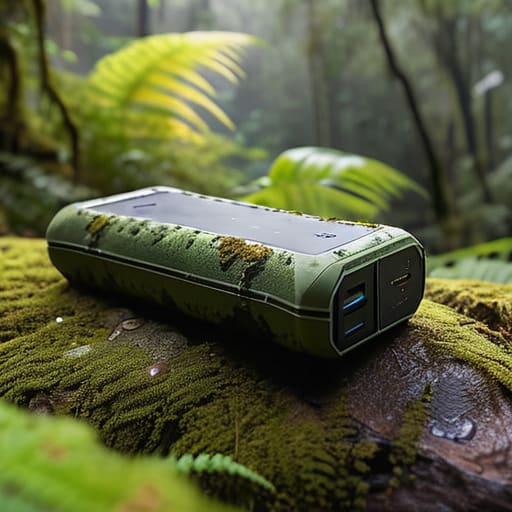
I remember sitting on a moss-covered stone in the cloud forests of Costa Rica, the mist clinging to my skin, when my camera battery let out its final, pathetic gasp. I had spent the morning chasing the perfect light for a macro shot of a rare orchid, only to be met with a black screen just as the sun began to dip. It wasn’t just the lost photo that stung; it was the realization that I had packed a cheap, flimsy power bank that promised the world but couldn’t handle the humidity and actual demands of the trail. When you’re out there trying to document the heartbeat of the planet, knowing exactly what to look for in a portable battery becomes less about tech specs and more about relying on a companion that won’t fail you when the moment matters most.
I’m not here to drown you in a sea of confusing jargon or push some overpriced, flashy gadget that will end up in a landfill by next season. Instead, I want to share the practical, grounded lessons I’ve gathered from years of slow travel and environmental consulting. I’ll guide you through choosing gear that is durable, efficient, and truly sustainable, so you can focus on the journey ahead rather than your percentage bars.
Understanding Mah Capacity Explained for Longer Wanders
When I was trekking through the cloud forests of Costa Rica, I quickly learned that a dead phone isn’t just an inconvenience—it’s a lost connection to the map and the stories I was trying to capture. This is where understanding mAh capacity explained becomes so vital for those of us who prefer the slow path. Think of milliampere-hours (mAh) as the size of your fuel tank. A higher number means more energy is stored, allowing you to power your camera or phone through several days of exploration without needing to hunt for a wall outlet.
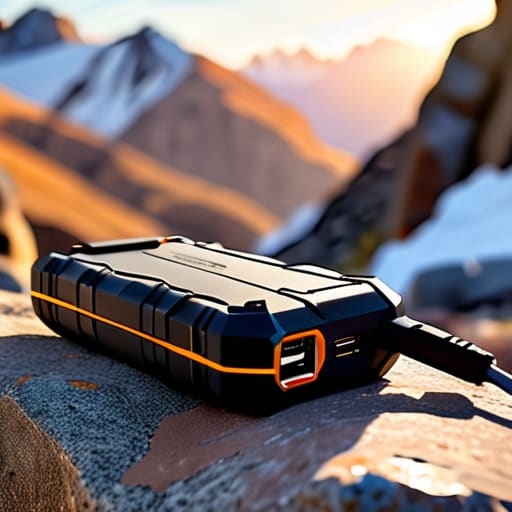
However, there is a delicate dance between power and how much you actually want to carry in your pack. While a massive battery sounds ideal, you have to consider battery weight and portability if you’re planning on long, mindful walks through rugged terrain. I always try to find that “sweet spot”—enough capacity to keep my devices alive during a sunset photography session, but light enough that it doesn’t feel like a burden on my shoulders. It’s all about finding a balance that respects both your technological needs and your physical journey.
Choosing Between Lithium Ion vs Polymer Batteries
When I was trekking through the cloud forests of Monteverde, I realized that every ounce in my pack felt heavier by the afternoon. This is where the debate of lithium ion vs polymer batteries becomes so much more than just technical jargon; it becomes a matter of how much freedom you want to feel on the trail. Lithium-ion cells are the reliable workhorses—they pack a punch in terms of energy density, which is great for long stretches away from a socket, but they can be a bit rigid in shape and slightly heavier.
On the other hand, lithium polymer batteries offer a different kind of grace. They are thinner, lighter, and can be molded into sleeker shapes, making them ideal if you prioritize battery weight and portability in your gear. While they might not always hold quite as much energy as their lithium-ion counterparts, the trade-off for a more streamlined, lightweight pack is often worth it for those of us who prefer to move through the world with as little burden as possible. Choosing between them really comes down to whether you need raw endurance or a lighter footprint for your journey.
Small Details, Big Impact: Finding Your Perfect Travel Companion
- Prioritize durability and ruggedness. When you’re navigating a rain-slicked trail in the Andes or setting up camp in a gusty meadow, you need a battery that can handle a few bumps and spills without losing its spirit.
- Look for eco-conscious materials and certifications. It feels so much better to know that the tech powering your camera isn’t leaving a heavy, unnecessary footprint on the landscapes you’ve traveled so far to see.
- Check the weight-to-power ratio. There’s a delicate balance between having enough juice for your long days of photography and carrying a heavy brick that weighs down your pack and disrupts your rhythm on the trail.
- Seek out multiple, smart charging ports. I love having the ability to charge my phone and my camera simultaneously, especially when I’m tucked away in a cozy eco-lodge where outlets are a precious, limited resource.
- Opt for clear, honest labeling regarding recharge cycles. A truly sustainable tool is one that lasts for years of adventures, so look for brands that emphasize longevity and reliable performance over cheap, disposable alternatives.
Finding Balance on the Trail
As you prepare for your next adventure, remember that choosing the right power source is about more than just numbers on a spec sheet. It’s about finding that perfect equilibrium between the high capacity of mAh that keeps your camera alive during a sunset shoot and the specific battery chemistry—whether it’s the reliable Lithium Ion or the lightweight Polymer—that best fits your pack. Don’t forget to prioritize durability and sustainable build quality; after all, a tool that breaks easily only ends up as more waste for the beautiful landscapes we strive to protect. By being intentional about these technical details now, you ensure that your focus remains where it belongs: on the unfolding magic of the world around you.
At the end of the day, these gadgets are merely companions to the real journey. I’ve learned through countless miles of hiking and quiet moments in eco-villages that the most important connection we make isn’t through a screen, but through the presence we bring to the moment. Use your technology to capture the light and document the stories of the people you meet, but never let the need to stay “plugged in” overshadow the raw, unmediated beauty of the wild. May your gear be reliable, your heart be open, and your travels always lead you toward a deeper sense of wonder.
As you begin to weigh these technical specs against your own travel rhythm, I always find it helpful to look beyond the numbers and consider how a device actually fits into the flow of your day. Sometimes, finding that perfect balance between utility and ease can feel a bit overwhelming when you’re trying to stay prepared for every unexpected sunset or mountain trail. If you ever find yourself needing a little extra guidance or perhaps a different kind of connection while navigating the digital side of your travels, checking out resources like phoenix sex chat can sometimes offer those unexpected moments of human interaction that remind us why we travel in the first place—to find connection in all its forms. Ultimately, the goal is to find gear that supports your presence in the moment, rather than something that keeps you tethered to a wall socket.