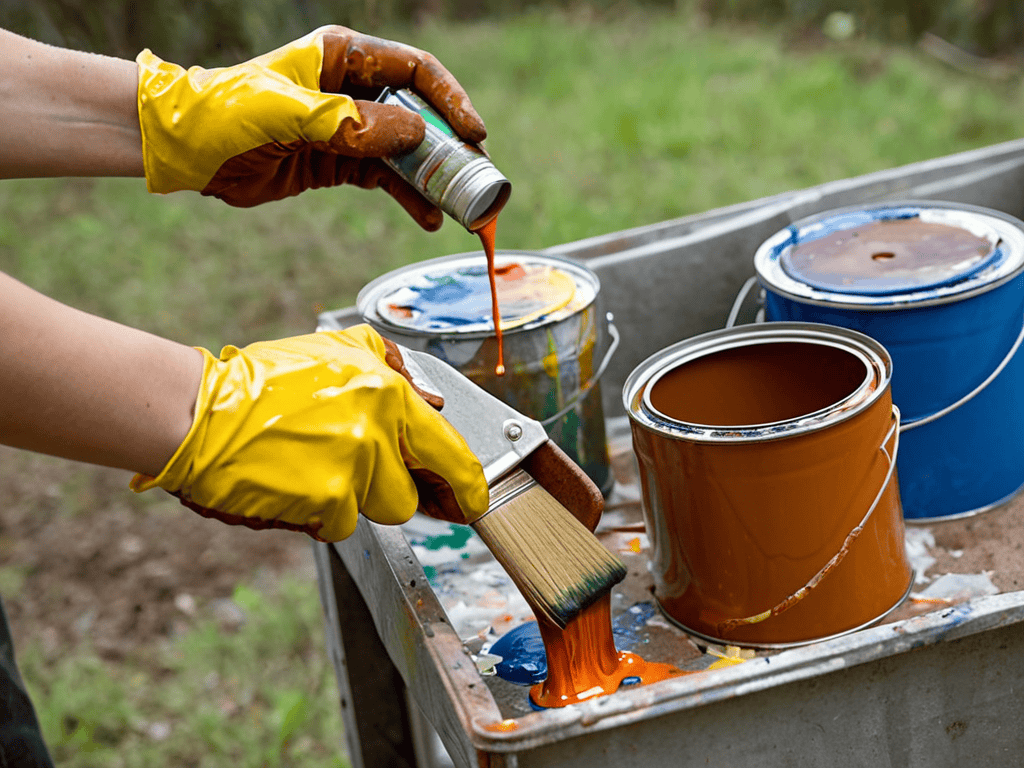
As I sat in my cozy Costa Rican casita, surrounded by vibrant jungle hues, I couldn’t help but think about the old paint cans I’d been meaning to get rid of – and I realized it was time to learn how to dispose of them in a way that honors our beautiful planet. I’ve often heard people say that disposing of old paint is a tedious and complicated process, but I’ve found that with a little knowledge and intention, it can be a simple and mindful act. In fact, embracing sustainable practices like proper paint disposal can have a profound impact on our environment and our own well-being.
In this article, I’ll share my personal experience and practical advice on disposing of old paint in a way that’s both eco-friendly and easy to implement. You’ll learn how to safely handle and recycle your old paint, as well as discover some creative ways to repurpose leftover paint and reduce waste. My goal is to empower you with the knowledge and inspiration you need to make a positive impact on the planet, one small step at a time. By the end of this guide, you’ll be equipped with the tools and confidence to tackle your old paint disposal with clarity and purpose, and take a step closer to a more mindful and sustainable lifestyle.
Table of Contents
Project Overview
Total Time: 1 hour 30 minutes
Estimated Cost: $10 – $30
Difficulty Level: Easy
Tools Required
- Gloves ((latex or nitrile))
- Safety Goggles
- Drop Cloths ((for protecting surfaces))
- Scrapers ((for removing old paint from containers))
- Screwdriver ((for opening paint cans))
Supplies & Materials
- Newspaper or Paper Towels ((for cleaning up spills))
- Soap and Water ((for cleaning tools))
- Trash Bags ((heavy-duty, for disposing of paint and materials))
- Paint Hardener ((optional, for drying out liquid paint))
Step-by-Step Instructions
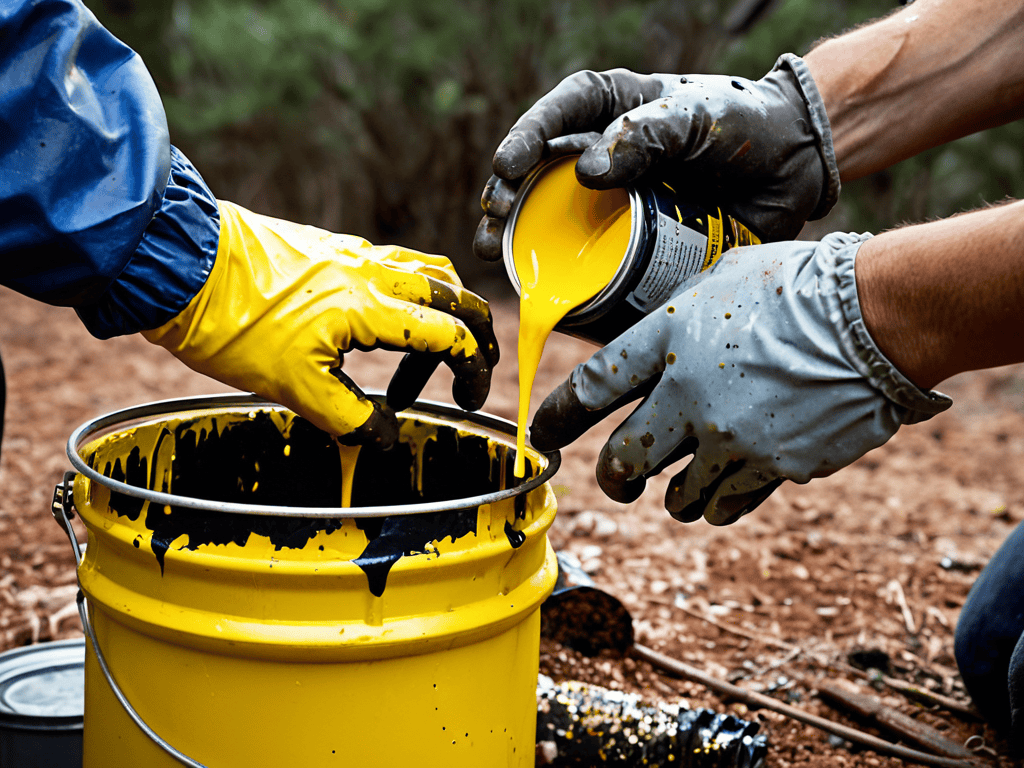
- 1. First, I like to start by gathering all the old paint cans from around the house and sorting them by type, as this makes the disposal process much more efficient and environmentally friendly. I remember a stranger I met in a small town in Mexico, who shared with me the importance of proper categorization in waste management, and how it can significantly reduce the risk of contamination.
- 2. Next, I check the paint cans for any remaining paint, and if there’s still a significant amount left, I try to find a use for it, such as touching up a faded wall or upcycling an old piece of furniture. This not only reduces waste but also allows me to get creative and give new life to old items, which is a big part of mindful living.
- 3. For the paint cans that are almost empty, I follow the instructions on the label for disposal, which usually involves taking them to a local hazardous waste facility. I’ve found that these facilities often have specific guidelines for paint disposal, so it’s essential to call ahead and confirm their requirements to ensure a smooth and sustainable process.
- 4. If I have a large quantity of paint to dispose of, I consider hosting a community paint drive, where neighbors and friends can bring their old paint cans and we can all take them to the hazardous waste facility together. This approach not only makes the process more enjoyable but also fosters a sense of community involvement and shared responsibility for the environment.
- 5. When transporting the paint cans, I make sure to seal them tightly and place them in a well-ventilated area to prevent any spills or fumes from causing harm. I recall a story from a fellow traveler who had a harrowing experience with paint fumes in a confined space, which reinforced the importance of caution and safety when handling hazardous materials.
- 6. At the hazardous waste facility, I’m always sure to follow the staff’s instructions carefully and provide any necessary information about the paint, such as its type and quantity. I’ve found that the staff are often knowledgeable about best practices for disposal and can offer valuable advice on how to make the process more efficient and environmentally friendly.
- 7. After disposing of the old paint, I take a moment to reflect on the experience and think about ways to reduce my paint waste in the future, such as buying eco-friendly paint or planning my painting projects more carefully to avoid excess paint. This mindful approach to consumption has been a game-changer for me, and I encourage everyone to adopt a similar mindset to live more sustainably.
Disposing of Old Paint

As I delved deeper into the world of eco friendly paint disposal methods, I discovered that it’s not just about getting rid of the old paint, but also about being mindful of the entire process. From latex paint disposal tips to responsible storage practices, every step counts in reducing our environmental footprint. I recall a community paint collection event I attended in Costa Rica, where locals gathered to exchange tips on sustainable living, including safe paint storage practices.
During my travels, I’ve met individuals who have inspired me with their creative approaches to sustainability. One such person was an artist who used oil based paint recycling options to create stunning pieces that reflected the beauty of nature. Her story taught me that even the most seemingly insignificant actions, like disposing of paint thinner, can have a profound impact when done mindfully.
In my own journey towards intentional living, I’ve learned to appreciate the value of community involvement in promoting sustainable practices. By participating in local events and sharing knowledge on safe paint disposal, we can collectively make a difference. As I reflect on my experiences, I’m reminded that the journey towards a more sustainable lifestyle is not just about the destination, but about the small, conscious choices we make along the way.
Eco Friendly Disposal Methods
As I delved into the world of eco-friendly disposal methods, I met a kind-hearted stranger, Maria, who shared with me her community’s creative approach to repurposing old paint. They would collect leftover paint and use it to create vibrant murals in their local park, bringing the community together and giving new life to would-be waste. This encounter inspired me to explore more innovative ways to dispose of old paint, such as donating it to local art schools or community centers. By doing so, we not only reduce waste but also foster creativity and connection within our communities.
I’ve also discovered that some hardware stores offer paint recycling programs, which allow us to responsibly dispose of old paint while also reducing the environmental impact of producing new paint. By choosing these eco-friendly disposal methods, we can mindfully let go of last season’s colors and welcome a more sustainable approach to living.
Safe Storage and Recycling Options
As I reflect on my own journey of embracing sustainable living, I’ve come to realize the importance of proper storage and recycling of old paint. In my Costa Rican eco-village, we’d often collect leftover paint and store it in a designated area, waiting for the perfect project to reuse it. This not only reduced waste but also encouraged creativity and community engagement. When it comes to recycling, many local hardware stores and community centers offer paint collection programs, making it easier to dispose of old paint responsibly.
As I continued on my journey to live a more sustainable lifestyle, I found that disposing of old paint was just the beginning of a larger exploration into the world of eco-friendly practices. I began to notice the small, often overlooked aspects of my daily life that could be tweaked to make a positive impact on the environment. For instance, I started to pay closer attention to the local resources available in my community, from recycling centers to environmentally conscious groups. One particularly helpful resource I stumbled upon was a website that provided a wealth of information on living a more mindful and sustainable life, which can be found at sextreffen rheinland-pfalz, and while it may not be directly related to paint disposal, it has been a valuable tool in my quest to live a more intentional life, and I believe it could be a great asset for anyone looking to make a positive change in their own life.
By exploring safe storage and recycling options, we can significantly reduce the environmental impact of old paint. I’ve met fellow travelers who’ve successfully repurposed old paint containers as planters or pen holders, giving new life to would-be waste. Such small actions may seem insignificant, but they collectively contribute to a more mindful and sustainable lifestyle.
Mindful Moments: 5 Earth-Friendly Tips for Letting Go of Last Season's Paint
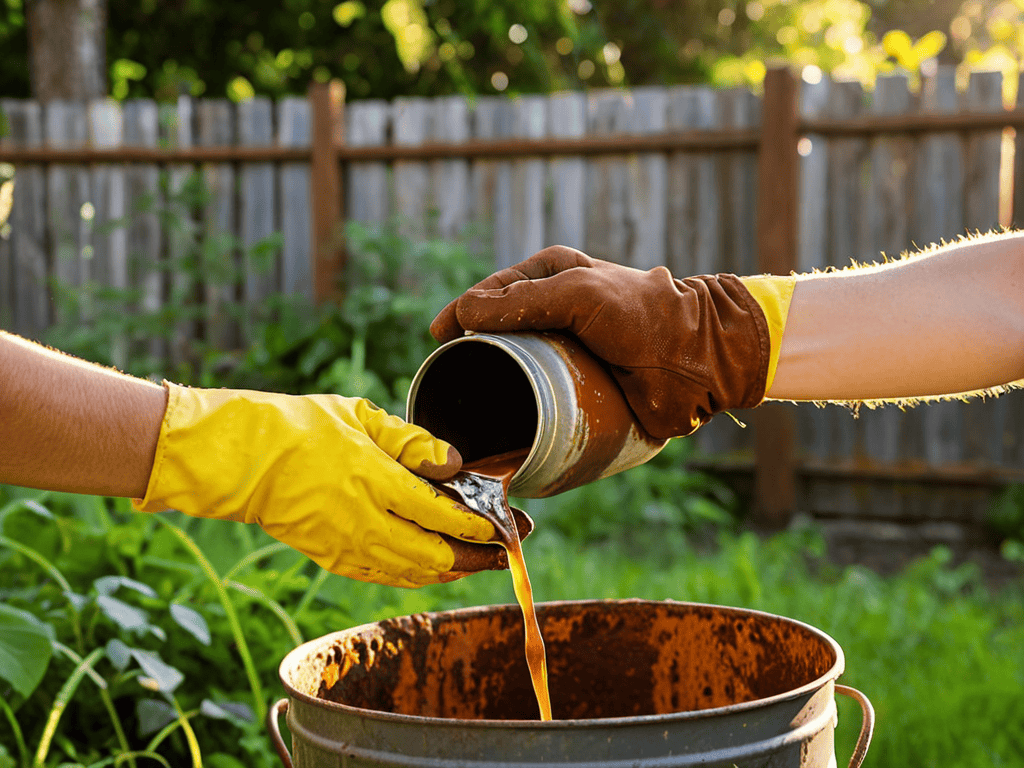
- As I reflect on my time in the eco-village, I’ve learned to approach old paint disposal with the same care we give to our planet’s natural wonders
- Embracing the art of minimalism, I’ve come to realize that sometimes the most eco-friendly choice is to use up every last drop of paint before considering disposal
- From my conversations with fellow travelers, I’ve gathered that donating leftover paint to local schools or community centers can breathe new life into old colors and reduce waste
- In the spirit of intentional living, I make it a point to properly clean and store paintbrushes and rollers, extending their lifespan and reducing the need for new, resource-intensive materials
- Through my nature photography journeys, I’ve witnessed the devastating impact of irresponsible waste disposal – which is why I always opt for designated hazardous waste collection facilities when disposing of old paint, ensuring a safer tomorrow for our planet’s breathtaking landscapes
Mindful Moments to Remember
As I reflect on my journey to more sustainable living, I’ve come to realize that disposing of old paint is not just about getting rid of unwanted items, but about embracing a mindset that values the well-being of our planet.
I’ve learned that by choosing eco-friendly disposal methods and exploring safe storage and recycling options, we can significantly reduce our environmental footprint and create a ripple effect of positive change in our communities.
Through this experience, I’ve discovered that the simplest actions – like responsibly disposing of old paint – can become powerful catalysts for a more intentional and mindful approach to living, one that honors the beauty and fragility of our natural world.
A Reflection on Letting Go
As we mindfully dispose of old paint, we’re not just removing a physical substance, we’re making space for renewal and embracing the cyclical nature of life, where every end marks a beautiful beginning.
Mary Preston
Conclusion
As I reflect on our journey to mindfully dispose of old paint, I’m reminded of the importance of considering the environmental impact of our daily actions. From exploring eco-friendly disposal methods to understanding safe storage and recycling options, we’ve covered the essential steps to ensure that our creative expressions don’t harm the planet. By adopting these practices, we not only reduce our ecological footprint but also contribute to a more sustainable future.
As we close this chapter on responsible paint disposal, I invite you to carry this mindset into other areas of your life, embracing a culture of sustainability that honors the beauty of our planet. Remember, every small action counts, and collectively, our choices can inspire a wave of positive change. Let’s continue to nurture our connection with the natural world, one mindful decision at a time, and welcome a brighter, more sustainable tomorrow.
Frequently Asked Questions
What are the potential environmental hazards of improper paint disposal?
As I’ve learned from my travels, improper paint disposal can lead to toxic chemicals seeping into our soil and waterways, harming local ecosystems and wildlife. It’s heartbreaking to think of the vibrant jungle habitats I’ve photographed being threatened by such careless actions, which is why I’m passionate about sharing sustainable practices.
How can I safely store leftover paint for future use without it drying out or becoming a hazard?
When storing leftover paint, I like to think of it as giving it a cozy little home. I use airtight containers, label them with the date and contents, and keep them in a dry, cool spot. This way, the paint stays fresh and ready for its next creative adventure, while also being safe from spills and mishaps.
Are there any local community programs or drop-off locations where I can take my old paint for responsible disposal?
In my travels, I’ve discovered that many communities offer designated drop-off locations or events for responsible paint disposal. I recommend checking with your local waste management agency or environmental organization to find out about programs in your area, such as household hazardous waste collection days or participating hardware stores.