I once found myself on a safari that promised an “authentic” wildlife experience. In reality, it was more like a drive-through zoo, complete with guides who seemed less interested in the animals than in hawking overpriced trinkets. As I watched a herd of elephants shuffle by, I couldn’t shake the feeling that we were intruders in a poorly scripted play where the animals didn’t have a choice but to perform for our cameras. It was a sobering reminder that not all wildlife tourism is as noble as it claims to be.
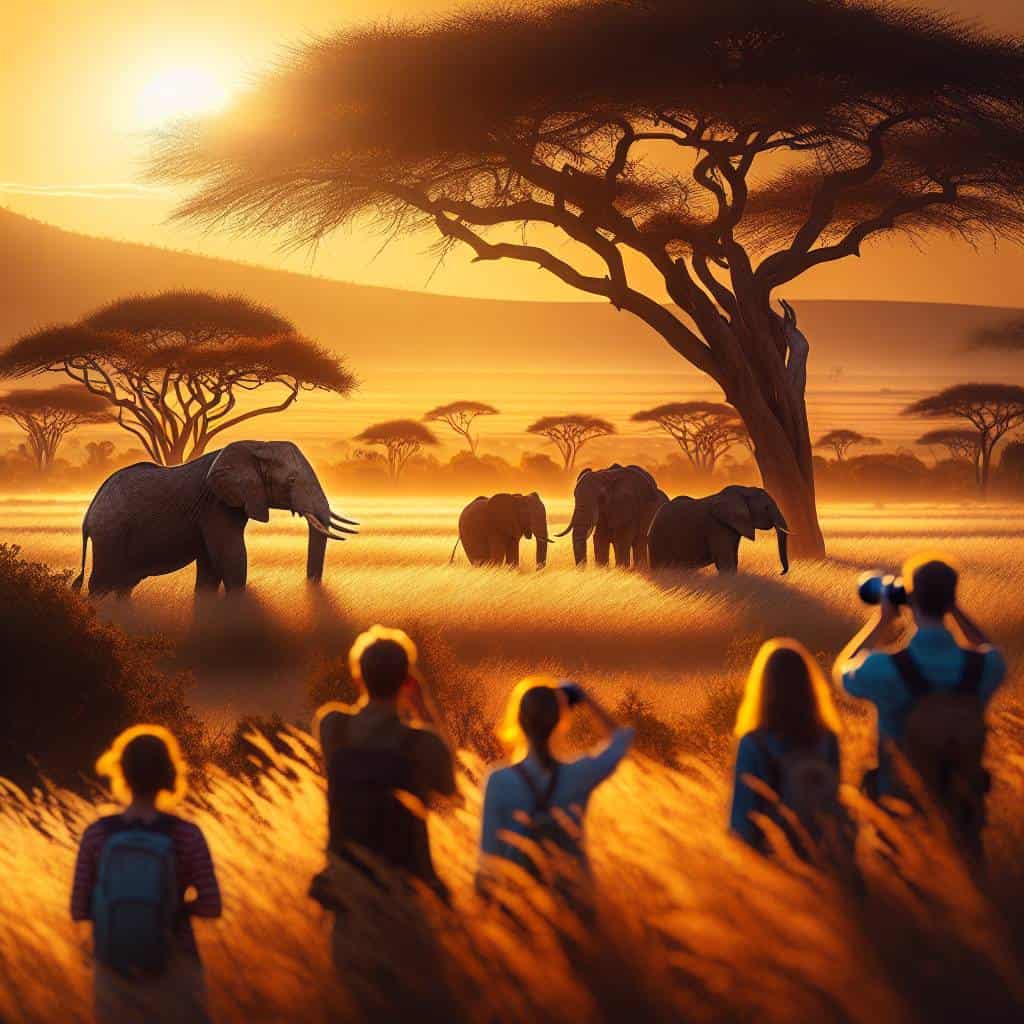
So, let’s cut through the glossy brochures and get real about what responsible wildlife tourism should look like. This article isn’t here to sell you on a fantasy, but to arm you with the knowledge to make informed choices. We’ll dive into what ethical animal encounters truly mean, what to avoid, and why your dream of snapping a selfie with a sedated tiger is anything but conservation. Stick around if you’re ready for the unvarnished truth about how to travel with a conscience.
Table of Contents
The Day I Swore Off Hugging Elephants: Discovering Ethical Animal Encounters
I remember the day vividly. There I was, standing face-to-trunk with a creature that seemed to embody the Earth’s ancient wisdom. But as I wrapped my arms around this gentle giant, a nagging sense of wrongness crept in. The elephant swayed slightly, her eyes distant, and it hit me like a rogue wave—this wasn’t a natural encounter. This wasn’t how these magnificent beings should exist. I had just paid to contribute to a charade, a circus act dressed up as conservation. Truth is, these interactions often come at a hefty price—one paid not by us, but by the animals who endure a life far removed from their natural freedom.
In our quest for connection with the wild, we often forget what ‘wild’ truly means. It’s not about bending nature to our whims for a perfect selfie. It’s about respecting these creatures enough to leave them alone. I swore off hugging elephants that day because I realized that real conservation doesn’t happen in a petting zoo. It happens in the untamed spaces where animals roam free, unburdened by our interference. We need to seek out ethical encounters—those that prioritize the well-being of the animals over our Instagram feeds. It means supporting sanctuaries that rehabilitate and release, not those that exploit and chain.
So, let’s drop the illusion. If we really care about wildlife, we need to do better. It starts with acknowledging that an ethical safari is one where you might not get that close-up shot, but you walk away knowing you contributed to something greater than yourself. It’s about choosing experiences that leave the animals as untouched as the landscapes they inhabit. Because the real beauty of wildlife is in its untamed, unmanipulated existence.
The Hard Truth About Wildlife Tourism
When your bucket list includes selfies with sedated beasts or feeding captive predators, you’re not a conservationist—you’re just another tourist fueling a cruel industry.
When Conservation Became Personal
There’s a point in every journey where the road shifts beneath you, and you realize there’s no going back to the way things were. For me, it was the moment I stopped seeing animals as part of the backdrop of my travels and started recognizing them as unwilling participants in a spectacle designed for my entertainment. I could no longer justify a selfie with a sedated tiger or the thrill of an elephant ride without acknowledging the cost it demanded from the very creatures I supposedly treasured.
Embracing responsible wildlife tourism isn’t about donning a halo of moral superiority. It’s about confronting the uncomfortable truths of our interactions with nature and choosing to tread more lightly. Conservation isn’t just a checkbox for eco-tourists; it’s a commitment to being an ally to the wild, even when it means forgoing the Instagrammable moment. It’s about ensuring that the only marks we leave are footprints and the only souvenirs are stories—stories that reflect a world where humans coexist with wildlife, not as conquerors, but as custodians.