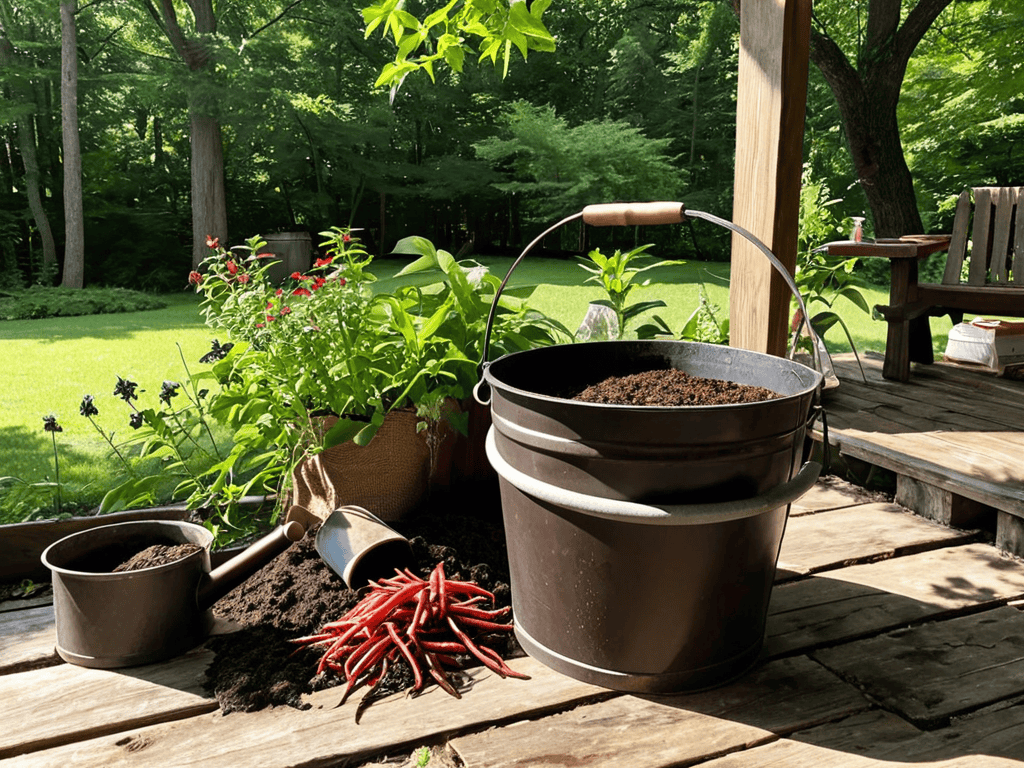
I still remember the first time I stumbled upon the concept of Making Compost Tea in a small, rustic garden in Costa Rica. The gardener, a wise and gentle soul, was brewing a big batch of it, and the aroma that filled the air was nothing short of enchanting. As I learned more about this natural, earth-friendly practice, I realized that it’s often misunderstood as a complicated or time-consuming process. However, the truth is that Making Compost Tea is a simple, yet powerful way to nourish your plants and give back to the earth.
As someone who’s passionate about intentional living and mindful travel, I’m excited to share my personal experience and practical tips on Making Compost Tea. In this article, I’ll guide you through the easy, step-by-step process of brewing your own compost tea, and show you how it can become a game-changer for your garden. From the benefits of using natural ingredients to the joy of watching your plants thrive, I’ll share my honest, no-hype advice on how to make compost tea a staple in your sustainable living practice. Whether you’re a seasoned gardener or just starting out, I invite you to join me on this journey of discovery and exploration, and learn how Making Compost Tea can bring you closer to nature and your community.
Table of Contents
Project Overview

Total Time: 1 hour 30 minutes
Estimated Cost: $20 – $40
Difficulty Level: Easy
Tools Required
- Large bucket ((5-gallon capacity))
- Pump or stirrer ((for aeration))
- Mesh bag ((for holding compost))
- Thermometer ((optional))
- Hydrometer ((optional))
Supplies & Materials
- Compost ((rich in microorganisms))
- Water ((dechlorinated or rainwater))
- Molasses or sugar ((as a microbe food source))
- Kelp meal or fish emulsion ((as optional nutrient additives))
Step-by-Step Instructions
- 1. First, let’s start by gathering all the necessary materials, which include a large bucket or container, some compost, water, a mesh bag or an old sock, and a stick or spoon for stirring – it’s all about creating a harmonious blend of natural ingredients to nourish our plants.
- 2. Next, I fill the mesh bag or old sock with a handful of compost, making sure it’s not too tightly packed, allowing for good water flow – this is where the magic happens, as the compost starts to infuse its beneficial microbes into the water.
- 3. Then, I submerge the compost-filled bag into the bucket, which is filled with water, and let it steep for a few hours, usually 24-48 hours, depending on the strength of the tea I’m aiming for – the longer it steeps, the stronger the brew will be, but be careful not to overdo it.
- 4. After the steeping process, I remove the compost bag from the bucket, and what’s left is a rich, dark liquid that’s full of beneficial microbes and nutrients – this is the compost tea that will give my plants a healthy boost, and I can use it as a foliar spray or add it directly to the soil.
- 5. To make the application process easier, I like to strain the compost tea through a cheesecloth or a fine-mesh sieve to remove any remaining sediment – this step is crucial in ensuring that the tea is smooth and consistent, making it easier to spray or pour into the soil.
- 6. Now, it’s time to use the compost tea – I can either use it as a foliar spray, which helps to boost the plant’s immune system, or add it directly to the soil, where it will help to support the growth of beneficial microbes – either way, I know that my plants will be receiving a nourishing treat that will help them thrive.
- 7. Finally, I like to store any leftover compost tea in the fridge to slow down the microbial activity, which allows me to use it over the next few days – this way, I can make a big batch of compost tea and use it throughout the week, giving my plants a continuous supply of nutrients and beneficial microbes.
Making Compost Tea
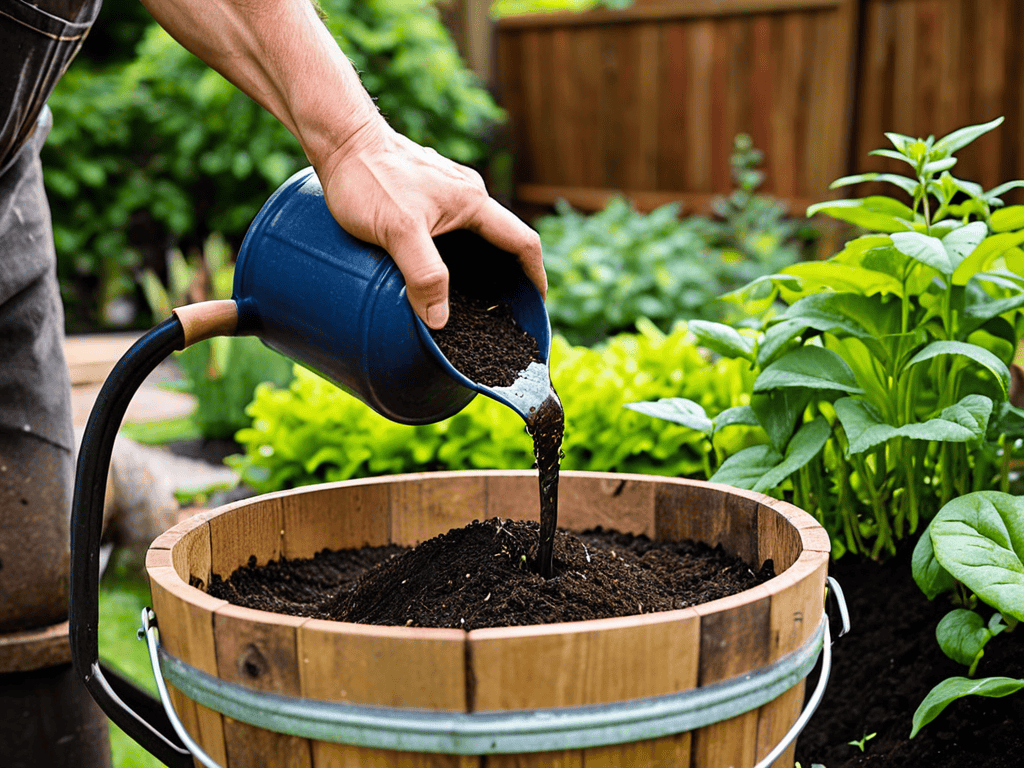
As I continued to experiment with compost tea, I discovered the numerous compost tea benefits for plants that made it an essential part of my gardening routine. From healthier roots to increased resistance to diseases, the advantages were undeniable. I also found that using the best compost for tea brewing was crucial, as it directly impacted the quality of the final product.
When it comes to steeping times for compost tea, I’ve learned that patience is key. Allowing the mixture to steep for the right amount of time ensures that the beneficial microbes are released, making the tea even more effective. I’ve also compared compost tea vs liquid fertilizer and found that compost tea provides a more natural and sustainable solution for my plants.
In my experience, creating a diy compost tea brewer can be a fun and rewarding project. With a few simple materials, you can craft a brewer that suits your specific needs. I’ve even used compost tea for indoor gardening, and the results have been remarkable. By incorporating compost tea into my routine, I’ve been able to create a thriving indoor garden that brings me joy and serenity every day.
Brewing With the Best Diy Compost Tea Brewer Plans
As I experimented with compost tea, I realized that having the right brewer made all the difference. I’ve tried a few DIY plans, and my favorite is a simple 5-gallon bucket system. It’s easy to set up and clean, and it allows me to steep a large batch of tea at once. I’ve also seen some clever uses for old plastic containers and wooden barrels, which can add a touch of rustic charm to your garden. The key is to find a system that works for you and your space, and to have fun with the process of creating your own unique compost tea brewer.
Uncovering Compost Tea Benefits for Plants
As I continue to explore the world of compost tea, I’ve found that having the right resources can make all the difference in creating a thriving garden ecosystem. One of my favorite discoveries has been the wealth of information available through online communities, where I can connect with like-minded individuals and learn from their experiences. For instance, I recently stumbled upon a platform that offers a wide range of tips and stories from people who have found unique ways to live more sustainably, and I was particularly drawn to a discussion about the importance of building resilient soil through the use of compost tea. If you’re looking for a space to share your own stories and connect with others who are passionate about intentional living, I recommend checking out sextreffen sachsen anhalt, where you can find a variety of perspectives and experiences that might just inspire you to try something new, like experimenting with compost tea recipes.
As I witnessed my plants flourish after their first compost tea bath, I became fascinated by the numerous benefits this natural elixir offers. From boosting their immune systems to enhancing nutrient uptake, compost tea has been a game-changer for my garden. I’ve noticed that my plants are more resilient to diseases and pests, and their overall growth has become more vibrant and healthy. The microorganisms in the tea seem to create a symbiotic relationship with the plant’s roots, allowing them to thrive in harmony with the surrounding environment.
By incorporating compost tea into my gardening routine, I’ve seen a significant reduction in the need for synthetic fertilizers and pesticides, which aligns perfectly with my intentional living values. This approach not only benefits my plants but also contributes to a more sustainable and eco-friendly gardening practice, which is essential for maintaining the delicate balance of our ecosystem.
Steeping in Wisdom: 5 Key Tips for Brewing Enriching Compost Tea
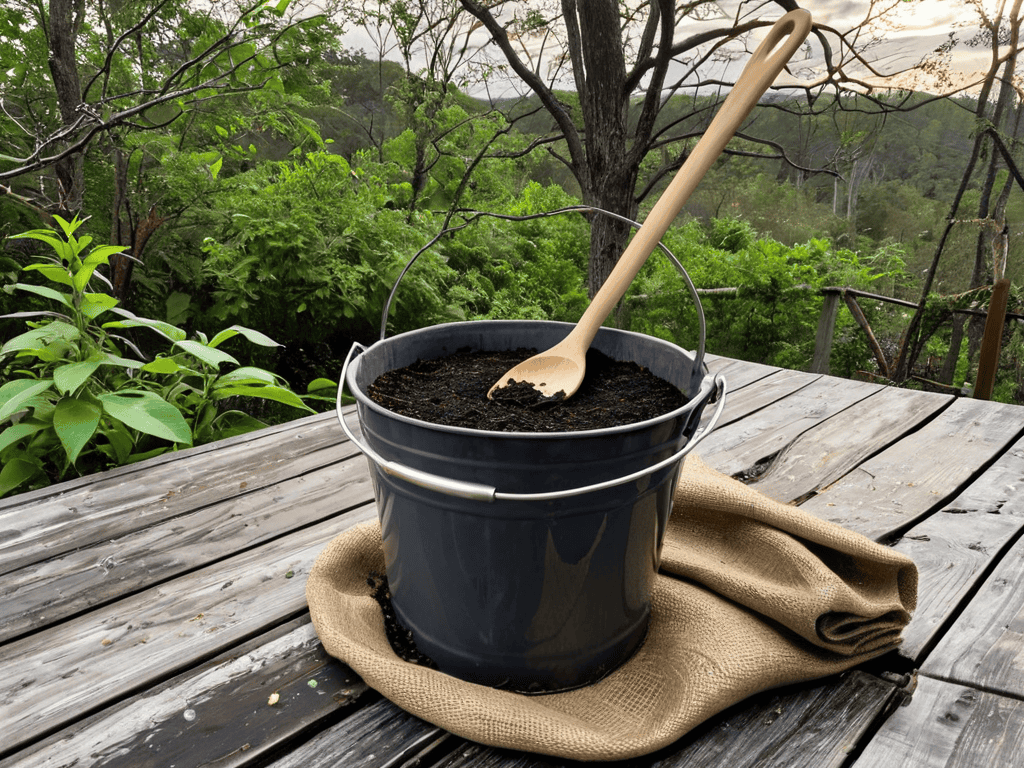
- As I reflect on my journey with compost tea, I’ve found that using a diverse range of organic materials is crucial – think kitchen scraps, dried leaves, and even coffee grounds, to create a rich, nutrient-dense brew
- Allowing your compost tea to steep for the right amount of time is essential; I’ve found that 24-48 hours is the sweet spot for releasing those beneficial microbes
- In my experience, the temperature of the water can significantly impact the quality of your compost tea – aim for a comfortable, lukewarm temperature that won’t shock those delicate microorganisms
- I’ve learned that oxygen is key to a healthy compost tea; consider using an aerator or even just stirring the mixture occasionally to keep things fresh and lively
- Experimenting with different steeping times and ingredient ratios has been a game-changer for me; don’t be afraid to try new things and observe how your plants respond – it’s all part of the mindful gardening journey
Nurturing the Earth: 3 Key Takeaways from My Compost Tea Journey
I’ve learned that compost tea is more than just a gardening hack – it’s a symbol of the interconnectedness of our ecosystem, where waste becomes nourishment and our plants thrive as a result
By embracing the art of compost tea brewing, I’ve not only improved the health of my garden but also deepened my understanding of the delicate balance between microbes, soil, and the environment as a whole
Through sharing my experiences and the stories of fellow travelers I’ve met along the way, I hope to inspire others to embark on their own intentional living path, using compost tea as a catalyst for a more mindful and sustainable relationship with the natural world
A Reflection on Nourishing the Earth
As I stir the compost tea, I’m reminded that nurturing the soil is a metaphor for nurturing our souls – it’s about cultivating harmony, patience, and a deep appreciation for the beauty that arises from decay and renewal.
Mary Preston
Conclusion
As I reflect on my journey with compost tea, I’m reminded of the simple yet profound impact it can have on our gardens and the environment. From the initial steps of gathering organic materials to the final brew, the process is a testament to the power of natural cycles. By embracing compost tea, we not only nurture our plants but also contribute to a more sustainable and mindful way of living. Whether you’re a seasoned gardener or just starting out, I encourage you to explore the benefits of compost tea and discover the joy of watching your plants thrive in harmony with nature.
As we conclude this journey into the world of compost tea, I hope you’re inspired to embark on your own path of intentional living. Remember, every small step towards sustainability counts, and the stories of those who have walked this path before us serve as a reminder that collective action can lead to profound change. Let’s continue to nurture our connection with the earth and its inhabitants, one mindful step at a time, and watch as our gardens and our lives flourish in the process.
Frequently Asked Questions
What is the ideal ratio of compost to water when brewing compost tea?
I’ve found that a 1:10 ratio of compost to water works beautifully for me – one part compost to ten parts water. This balance allows the beneficial microbes to thrive, creating a nutrient-rich tea that my plants adore. Of course, feel free to experiment and find the perfect blend for your garden’s unique needs.
Can I use any type of compost to make compost tea, or are there specific types that are more beneficial for plant health?
Not all composts are created equal, I’ve found. For compost tea, I swear by using a high-quality, well-aged compost that’s rich in beneficial microbes – it makes all the difference for my plants. I typically opt for a compost that’s specifically designed for gardening, with a good balance of ‘green’ and ‘brown’ materials.
How often should I use compost tea on my plants to see noticeable improvements in their growth and health?
I typically use compost tea on my plants every 1-2 weeks, and I’ve noticed significant improvements in their growth and health over time. The frequency may vary depending on the plant’s needs and the soil quality, but as a general rule, I find that regular, gentle applications work better than infrequent, heavy doses.