I landed in Kyoto with the usual delusions of enlightenment that every other fatigued traveler seems to pack alongside their hiking boots and guidebooks. The kind of naive optimism that makes you think you’ll unravel centuries of wisdom in a weekend. As I stood in the shadow of yet another ancient temple, elbowed by tourists wielding selfie sticks like samurai swords, it hit me: this wasn’t the serene spiritual retreat I’d conjured in my mind. It was a circus, and I was just another clown in the crowd.
But don’t get me wrong—Kyoto isn’t without its moments of genuine charm, if you know where to look and what to ignore. In this article, we’ll sift through the noise together. I’ll share the less-traveled paths and the quieter corners where you might actually hear your own thoughts above the clamor. We’ll explore the temples beyond the postcards and the slow moments that offer a glimpse of peace amidst the chaos. So, if you’re ready to delve into the real Kyoto, not the one sold in glossy brochures, let’s embark on this unvarnished journey.
Table of Contents
The Art of Doing Absolutely Nothing in Kyoto’s Temples
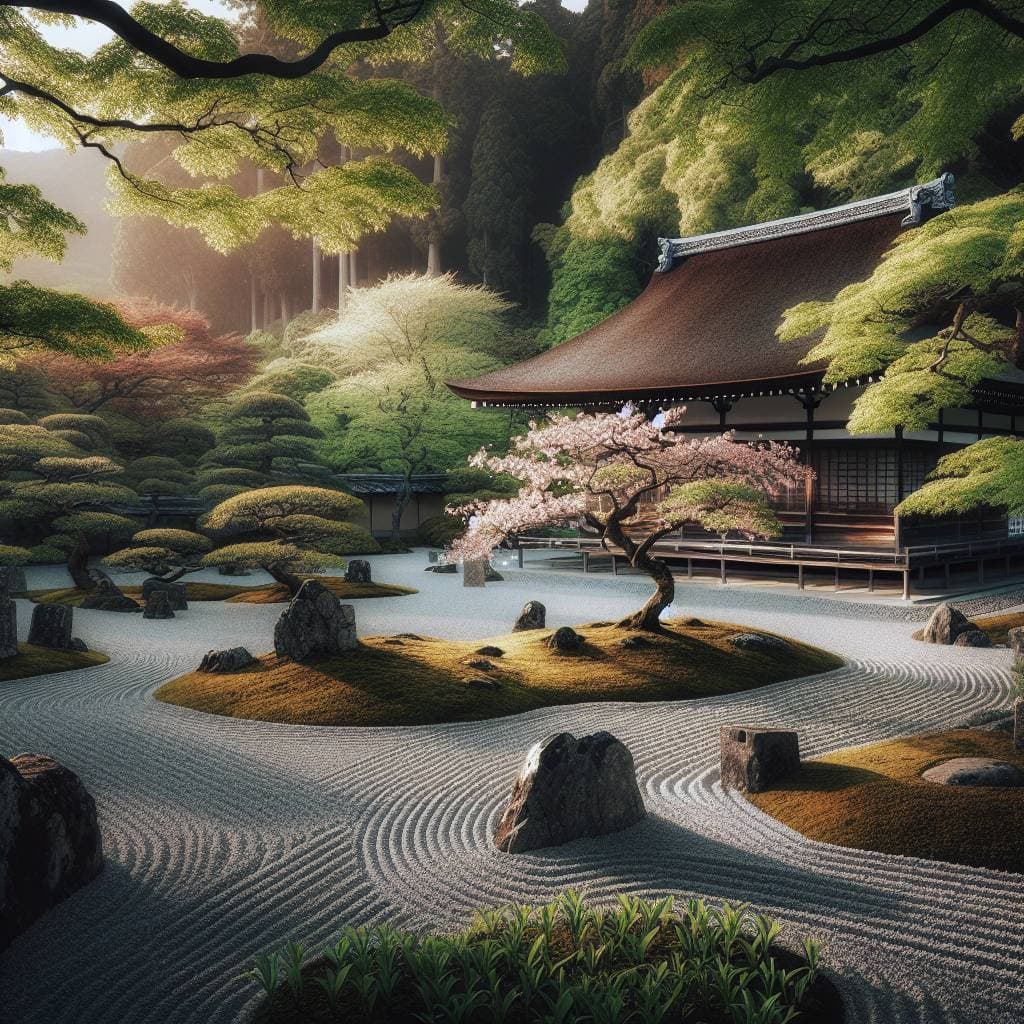
Kyoto’s temples. We imagine serene landscapes, but reality often paints a different picture. I ventured into these sacred spaces, seeking the elusive art of doing absolutely nothing—a concept as foreign to our hustle culture as sushi at a burger joint. Yet, this “nothing” is where Kyoto’s true magic lies. Within the temple walls, time slows. The air is thick with the scent of incense and history, and the chatter of tourists fades into a dull hum. It’s in this quietude that I found the simplest form of peace. No agenda, no checklist, just a moment to breathe and exist.
Forget the guidebooks. They sell you a polished image of Zen that’s as genuine as a plastic cherry blossom. I learned that finding peace in Kyoto’s temples isn’t about enlightenment or profound spiritual awakenings. It’s about surrendering to the mundane. Sitting cross-legged on a tatami mat, watching the shadows shift as the sun meanders across the sky, or listening to the rhythmic sweep of a monk’s broom. It’s in these moments of intentional idleness that one can truly immerse in the cultural soul of Kyoto. The temples challenge us to unshackle ourselves from the constant drive to do more, be more, and simply be.
So, what does doing “absolutely nothing” really mean in this context? It’s an invitation to strip away the layers of modern life—to turn off the incessant noise and just observe. Watch as the koi ripple the temple ponds, or let your thoughts drift like the clouds above. This is not a prescription for happiness, but perhaps a gentle reminder that in our quest for meaning, sometimes the answers lie not in the doing, but in the being. Kyoto’s temples don’t offer a path to find yourself; they offer a space to lose yourself entirely in the art of just being.
Zen and the Art of Tourist Dodging
In Kyoto, the temples stand as silent sentinels, urging you to slow down and sift through the noise of eager travelers. It’s not peace you’ll find, but the space to question what calm really means in a world that’s anything but.
The Illusion of Zen in Kyoto
So here I am, back from the supposed sanctuary of Kyoto, wrestling with the dissonance between the peace I was promised and the reality I encountered. I wanted to be swept away by the silence of the temples, to find some elusive zen that all those glossy magazines assured me was there for the taking. But instead, I found myself elbowing through throngs of tourists, all of us unwitting actors in a farce we didn’t write. The temples stood silent, sure, but it was a silence drowned out by the chaos of our collective anticipation. We came seeking enlightenment and left with overpriced matcha and a sense of something missing.
In the end, maybe the joke’s on us. We journey across the world in search of peace, only to realize that it’s not the destination that’s lacking, but our stubborn insistence on finding meaning in the curated chaos. Kyoto, with its temples and traditions, is just a backdrop—a beautiful one, no doubt—but one that serves as a reminder that the slow, mindful travel we crave can’t be bought with a plane ticket. It’s within us, somewhere, but good luck finding it between the selfie sticks and souvenir stands. Maybe the real zen is knowing when to stop searching.