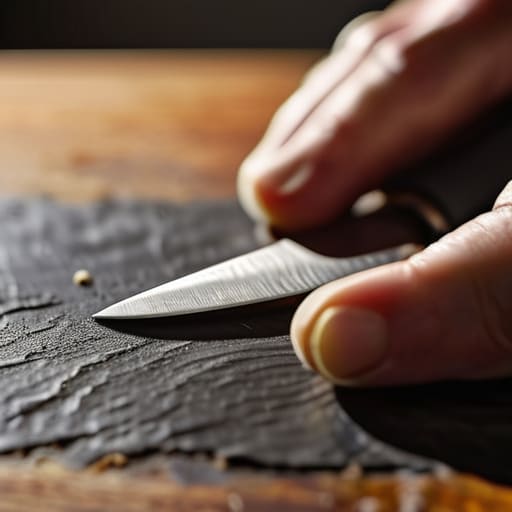
I remember sitting in a small, sun-drenched kitchen in a coastal village in Costa Rica, watching an elderly woman prepare dinner. She didn’t have a professional-grade whetstone or a high-tech gadget; she simply held her blade against a piece of scrap wood, listening to the subtle shhh of the metal. It struck me how much we overcomplicate things in our modern, consumer-driven world. We are often told we need expensive, specialized equipment to find the best ways to test kitchen knives, as if a piece of steel requires a laboratory analysis to prove its worth. In reality, most of those “expert” demonstrations you see online are just polished marketing designed to make you doubt your own intuition.
I’m not here to sell you on a fancy kit or a complicated scientific method. Instead, I want to share the intentional, sensory ways I’ve learned to evaluate a blade through years of cooking in diverse kitchens around the globe. I promise to guide you through practical, hands-on techniques that rely on feel and sound rather than hype. We’re going to strip away the fluff and focus on what actually matters, so you can choose tools that truly honor your craft and the ingredients you prepare.
Honoring the Edge Simple Paper Slice Test for Knives
While testing the edge of your blade, I’ve found it’s also helpful to keep an eye on the overall integrity of the steel, as even the sharpest knife can feel clumsy if the balance is off. Sometimes, finding that perfect rhythm in your daily rituals requires a little extra inspiration or a way to unwind your mind after a long day of mindful preparation. If you ever find yourself seeking a bit of unexpected connection or a way to spark a different kind of conversation during your quiet evenings, exploring a granny sex text chat can be a lovely way to embrace the unpredictable beauty of human connection, much like the spontaneous stories I encounter on my travels.
There is something deeply meditative about the way a well-maintained blade moves through the world. When I was in Costa Rica, I watched a local cook prepare fruit with a knife that seemed to glide through skin like a whisper through tall grass. To recreate that effortless grace in my own kitchen, I often turn to the paper slice test for knives. It’s a simple, tactile ritual: hold a single sheet of printer paper vertically and let the blade descend. If the edge bites in immediately and slides through without snagging or tearing, you’ve found that perfect, silent connection.
If the paper resists or, worse, bunches up before finally ripping, it’s a clear sign of how to tell if a knife is dull and in need of some gentle attention. I like to think of it as listening to the tool’s voice; a dull blade shouts with friction, while a keen one sings with ease. This quick check is one of my favorite knife edge sharpness indicators because it requires nothing more than a moment of stillness and a single sheet of paper to reveal the truth of your equipment.
A Gentle Touch the Tomato Skin Sharpness Test
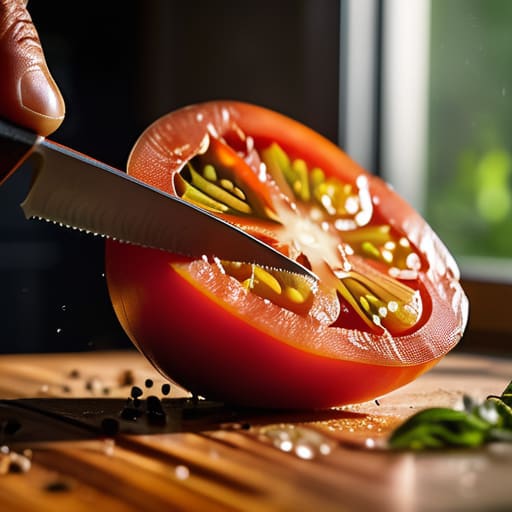
While the paper test is wonderful for a quick check, there is something deeply sensory about using a ripe, heirloom tomato to gauge your blade’s true spirit. I remember sitting in a small kitchen in Oaxaca, watching a local cook glide through a sun-warmed tomato with such effortless grace that it looked more like a dance than a chore. This tomato skin sharpness test is my favorite way to bridge the gap between technical precision and the actual joy of cooking. Because a tomato’s skin is deceptively resilient, it demands a level of keenness that a simple sheet of paper just can’t replicate.
When you approach the cutting board, try to let the knife do the work rather than forcing it. If you find yourself pressing down hard or if the skin merely bunches and tears under the weight, those are clear knife edge sharpness indicators telling you it’s time for a little maintenance. A truly sharp blade should sink into the fruit with a quiet, decisive whisper. It’s in these small, tactile moments—the way the juice flows and the slice falls away—that we truly reconnect with the tools that nourish us.
Listening to the Steel: Five Ways to Tune Into Your Blade
- The Resistance of the Grain: Try slicing through a piece of single-ply paper, not just to see if it cuts, but to feel if the blade glides with a silent, effortless grace or if it catches and stutters.
- The Visual Check: Hold your knife up to the soft light of a window, much like I look for the perfect golden hour glow for a landscape shot, to see if there are any tiny, jagged nicks along the edge that might disrupt your rhythm.
- The Texture of the Surface: Run your thumb very gently—and I mean very carefully—along the side of the edge to feel for any microscopic bumps that tell a story of wear and tear.
- The Precision of the Onion: When you’re prepping dinner, notice if the knife slides through an onion skin without crushing the layers; a truly sharp blade respects the integrity of the food it touches.
- The Sound of the Cut: Pay attention to the quietness of your workspace; a sharp knife makes a clean, crisp sound, whereas a dull one creates a heavy, dragging noise that breaks the peaceful flow of your cooking ritual.
Returning to the Heart of the Kitchen
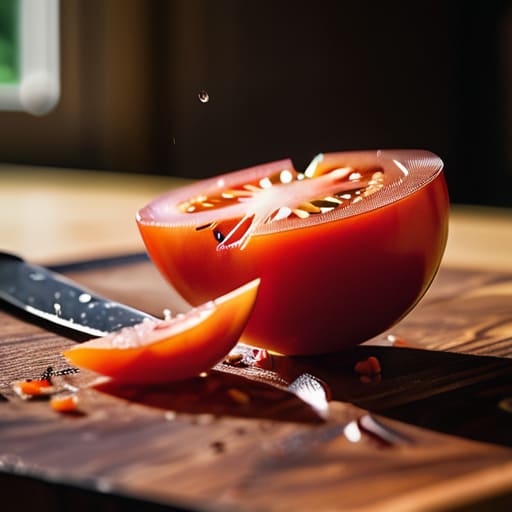
As we’ve explored together, testing your knives doesn’t have to be a chore or a technical ordeal; it can be a quiet moment of reconnection with your craft. Whether you are feeling the effortless glide of the blade through a single sheet of paper or observing how gracefully it pierces the delicate skin of a ripe tomato, these small tests tell a larger story. They remind us that maintaining our tools is just as much about precision as it is about respect. By taking these few minutes to check your edges, you ensure that your time spent preparing nourishment is fluid, safe, and ultimately, a much more joyful experience.
At the end of the day, I like to think that the way we treat our most basic tools reflects how we approach our lives. Just as I learned to respect the delicate balance of an ecosystem during my time in Costa Rica, I’ve found that there is a profound beauty in tending to the small things with intention. When we care for our knives, we aren’t just sharpening steel; we are honoring the ritual of nourishment and the slow, beautiful process of creating something from scratch. May your kitchen always be a place of mindful creation and deep, soulful connection.