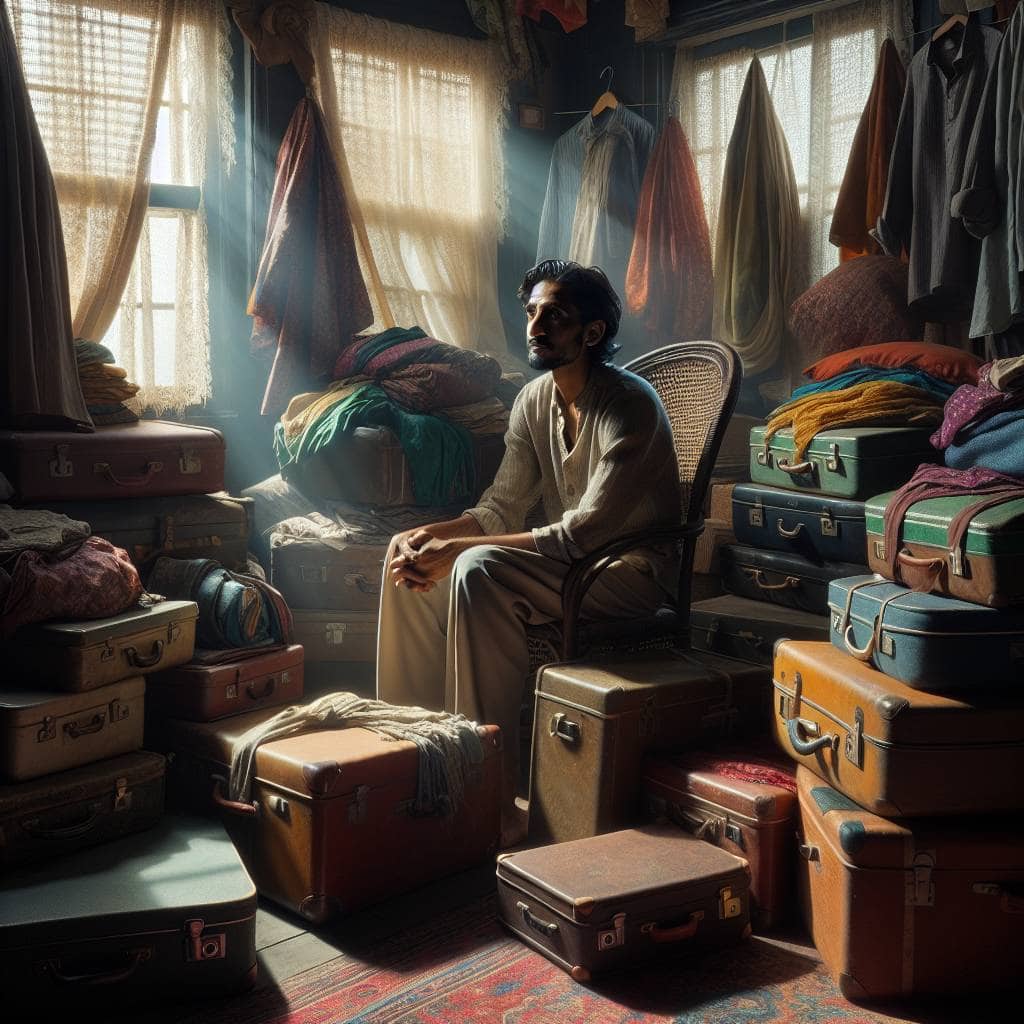
So, there I was, standing in the middle of my own kitchen, jet-lagged and confused, trying to remember if the tap water was safe to drink. Spoiler alert: it was. But after months of navigating foreign lands, coming back to the familiar felt like trying to squeeze into a pair of jeans two sizes too small. It wasn’t just the physical space that felt tight; it was the mental squeeze, too. The grocery store’s overwhelming cereal aisle, the eerily polite customer service, and don’t even get me started on the deafening silence of my own hometown. Reverse culture shock hit me like a freight train, and I was the deer frozen on the tracks.

But let’s not wallow in my existential dread. Instead, let’s unravel this curious phenomenon together. In the following article, we’ll dive deep into why coming home can feel more alien than the countries you’ve just visited. We’ll tackle the post-travel blues head-on and explore ways to make sense of the chaos. From the mundane to the profound, I’ll share insights on readjusting to life back home—minus the sugarcoating. Buckle up; it’s going to be a bumpy ride, but one that promises a clearer view by the end.
Table of Contents
The Great ‘Welcome Home’ Illusion: When Familiar Feels Foreign
Coming home after a long journey is supposed to feel like slipping into a pair of well-worn shoes. But let’s get real. It often feels more like trying to cram your feet into someone else’s boots. The Great ‘Welcome Home’ Illusion is this bizarre expectation that everything will be just as you left it. You think you’ll glide back into your old life, buoyed by the familiar sights and smells of home. Instead, you find yourself standing in your own kitchen, peering at your favorite mug like it’s a relic from a past life. That café down the street? It’s still there, but somehow, it feels like a set piece from a forgotten dream.
The illusion stems from the belief that home is a static entity. Sure, the bricks and mortar might remain fixed, but everything else? It’s shifted. Or maybe you’ve shifted. Travel has a way of altering your internal compass. Once you’ve traipsed through foreign lands, your eyes adjust to new horizons and your mind to new possibilities. So, when you return, that old life feels like a too-tight sweater. It’s not that the sweater has changed. It’s that you’ve outgrown it. This is the essence of reverse culture shock — the unexpected strangeness of the familiar. It’s the slap of reality that reminds you that the world, your world, doesn’t pause just because you’ve been off gallivanting.
And then there’s the kicker. Everyone expects you to slot right back into place, like a missing puzzle piece. But you’ve got new edges now. You’re not the same person who left, and that disconnect is jarring. Friends and family might not get it. Hell, you might not even get it. But here’s the bottom line: readjusting takes time. It’s about reconciling your expanded worldview with the confines of home. So, when familiar feels foreign, don’t panic. It’s just your brain recalibrating, finding its footing in a landscape that no longer fits the map you remember.
The Unseen Hangover of Coming Home
Returning home after the adventure feels like stepping back into a life that somehow continued without you. It’s not about adjusting—it’s about reconciling two versions of yourself and finding the balance between nostalgia and reality.
The Art of Reclaiming Home
So, here I am, back in my mountain village, where the air bites and faces are familiar but not quite the same. It turns out, coming home isn’t about slipping back into an old skin. It’s about stitching together the new layers you’ve gathered along the way. Every odd look or misplaced greeting only serves to remind me that travel changes you, but so does coming home. It’s a messy quilt of experiences that never quite lies flat.
But maybe that’s okay. Maybe the post-travel blues aren’t something to be fixed, but rather a testament to the fact that you’ve lived. That the world left its mark on you and you on it. In the end, it’s less about fighting to fit back into your old life and more about embracing the new one you’ve unwittingly created. So, here’s to the ongoing journey of readjustment—one that, much like travel itself, is full of unexpected turns and unpolished truths.