I remember sitting on a moss-covered log in the Costa Rican rainforest, the air thick with the scent of damp earth and blooming jasmine, feeling more alive than I ever did amidst the concrete and neon of my old city life. It was there I realized that our bodies aren’t just machines to be serviced with expensive, high-tech gadgets; they are ecosystems. Lately, I’ve been seeing so much noise online about Epigenetic Clock Deceleration being something you can only achieve through pricey supplements or complex biohacking protocols that feel more like a science experiment than a way of life. It honestly frustrates me to see wellness turned into such a transactional pursuit, when the real magic lies in how we interact with our environment every single day.
I’m not here to sell you a miracle pill or a complicated laboratory regimen. Instead, I want to share what I’ve discovered about slowing down our biological aging through the lens of intentional, grounded living. We’re going to explore how mindful movement, nourishing whole foods, and a deep connection to the natural world can actually influence Epigenetic Clock Deceleration. My promise to you is honest, experience-based wisdom that respects both your body and your budget, helping you find a rhythm that feels as natural as the changing seasons.
Table of Contents
- Decoding the Wisdom of Dna Methylation Aging Biomarkers
- Measuring the Sacred Pace of Your Epigenetic Aging Rate
- Cultivating the Garden Within: Five Ways to Nurture Your Biological Vitality
- Cultivating Your Inner Ecosystem: Three Lessons in Longevity
- Tuning into Your Internal Seasons
- Nurturing Your Inner Landscape
- Frequently Asked Questions
Decoding the Wisdom of Dna Methylation Aging Biomarkers
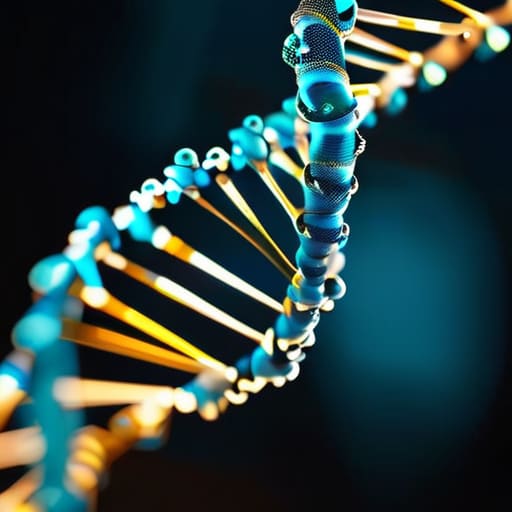
When I first began studying environmental science, I learned how a single change in soil chemistry could shift an entire ecosystem. It’s remarkably similar to how our bodies function at a microscopic level. To understand how we can slow our internal clocks, we have to look at DNA methylation aging biomarkers. Think of these biomarkers as tiny chemical “tags” that sit on our DNA, acting like a sophisticated biological diary. They don’t change our actual genetic code, but they do dictate how our genes are expressed—essentially telling our cells which instructions to follow and which to ignore.
By studying these markers, scientists can perform an epigenetic aging rate measurement, which offers a much clearer picture of our true vitality than a simple birthday ever could. It’s the difference between looking at the age of a forest by counting years versus looking at the health of the trees themselves. Understanding this process allows us to see how our daily habits—the food we eat, the stress we manage, and the way we move—actually leave their mark on our cellular landscape, shaping the very rhythm of our lives.
Measuring the Sacred Pace of Your Epigenetic Aging Rate
When I was working as a consultant, I used to look at data through a very rigid lens, focusing solely on the numbers. But during my time in Costa Rica, I realized that nature doesn’t follow a linear spreadsheet; it follows a rhythm. Measuring your epigenetic aging rate measurement is quite similar. It’s not just about a single number on a lab report, but rather a way to listen to the subtle, internal cadence of your own biology. By looking at how our chemical markers shift over time, we gain a window into whether our lifestyle is harmonizing with our cells or creating friction.
It can feel a bit daunting to peer under the hood of our own existence, but I see it as an act of profound self-care. Instead of viewing these metrics as a judgment, I prefer to see them as a compass. Understanding the interplay between metabolic health and epigenetic aging allows us to make more compassionate choices. It’s about moving away from the fear of aging and toward a place of stewardship, where we use these insights to nurture our vitality with the same intention we use to tend to a growing forest.
Cultivating the Garden Within: Five Ways to Nurture Your Biological Vitality
- Honoring the Seasonal Rhythm of Nutrition: Just as I’ve learned to respect the cycles of the earth, our cells crave the vibrant, living energy found in whole, seasonal foods. Moving away from processed convenience and toward nutrient-dense, earth-grown meals provides the raw materials our DNA needs to maintain its integrity and slow the ticking of the clock.
- Finding Stillness in the Chaos: During my time in Costa Rica, I realized that constant noise—both external and mental—creates a friction that wears us down. Practicing mindfulness and deep, intentional breathing isn’t just about relaxation; it’s about lowering the systemic inflammation that can inadvertently signal our epigenetic markers to accelerate.
- Movement as a Celebration, Not a Chore: I’ve moved away from the idea of “burning calories” and toward the concept of “moving with purpose.” Whether it’s a slow trek through a forest or a gentle morning stretch, rhythmic, joyful movement helps maintain the cellular communication that keeps our biological age in harmony with our spirit.
- The Sacred Art of Restorative Sleep: We often treat sleep as a luxury, but I see it as the time when our bodies perform their most vital “maintenance work.” Prioritizing deep, uninterrupted rest allows our cells to repair and reset, essentially giving our epigenetic expression a chance to breathe and recalibrate.
- Forging Deep, Soulful Connections: I truly believe that the stories we share and the community we build act as a buffer against the stressors of modern life. Cultivating meaningful relationships and a sense of belonging fosters a sense of safety and peace that resonates all the way down to our very molecular level.
Cultivating Your Inner Ecosystem: Three Lessons in Longevity
Think of your DNA not as a rigid blueprint, but as a living garden; while we can’t change the seeds we were given, the way we tend to our daily habits—the sunlight, the nutrients, and the rest—determines how beautifully those genes express themselves.
Slowing down isn’t just a luxury; it’s a biological necessity, as reducing the constant “noise” of chronic stress allows our cellular rhythms to find their natural, restorative cadence.
True vitality is found in the small, intentional ripples we create every day, choosing mindful connections and sustainable rhythms that honor both our personal health and the world we inhabit.
Tuning into Your Internal Seasons
“I’ve come to realize that our DNA isn’t a rigid blueprint, but more like a living landscape; just as we can restore a depleted forest through mindful care, we can influence the very rhythm of our biological aging by choosing habits that honor our body’s natural, quiet wisdom.”
Mary Preston
Nurturing Your Inner Landscape
As we begin to understand the intricate dance of our biology, I often find that the most profound shifts happen when we stop looking at our health as a series of clinical data points and start seeing it as a way to reconnect with our environment. Part of that reconnection involves being mindful of how we interact with the world and the people in it, ensuring our social landscapes are as nourishing as our physical ones. If you’re looking to explore different ways of engaging with your surroundings and finding connection, you might find some interesting perspectives through local sex contacts, which can be a part of that broader journey toward authentic human connection and living fully in the present moment.
As we’ve explored together, understanding the science of DNA methylation isn’t about chasing a number on a test or fearing the inevitable passage of time. Instead, it’s about recognizing that our biological age is a living, breathing reflection of how we interact with the world around us. By learning to measure our epigenetic pace and understanding the biomarkers that signal our cellular health, we gain a profound roadmap for change. We’ve seen that through mindful nutrition, reducing chronic stress, and fostering a deep connection to our environment, we can actually influence the way our genes express themselves. It truly is a beautiful reminder that we are not merely passive observers of our aging process, but rather active participants in our own vitality.
I often think back to a weaver I met in a small village in the Andes; she told me that the strength of a fabric depends entirely on the care given to every individual thread. Our lives are much the same. Every intentional choice—the way we breathe, the way we move through the forest, and the way we nourish our bodies—is a thread being woven into our biological tapestry. I encourage you to look at your epigenetic health not as a daunting scientific concept, but as an invitation to live with greater intention. Let’s move through this world with a sense of reverence for our bodies, honoring the sacred rhythm of our cells and embracing the grace that comes with a life lived in harmony.
Frequently Asked Questions
If I start making these mindful changes today, how long does it actually take for my biological rhythm to reflect the shift in my epigenetic age?
It’s such a common question, and I completely understand that longing to see the fruits of your labor. While our cells are constantly dancing to new rhythms, science suggests it takes a bit of patience—often months or even a year of consistent, mindful habits—before we see those meaningful shifts in our methylation patterns. Think of it like reforestation; you don’t see the canopy overnight, but every intentional choice is a seed planted for your future self.
Are there specific ways I can use my connection to nature and seasonal living to specifically influence these DNA methylation patterns?
I often think about how our bodies are essentially mirrors of the landscapes we inhabit. To influence those methylation patterns, I find it helpful to stop fighting the seasons and start flowing with them. This means embracing “seasonal eating”—nourishing yourself with what the Earth provides right now—and practicing rhythmic movement, like grounding your feet in the soil during spring or finding stillness during winter. When we sync our biological rhythms with nature’s cycles, we’re essentially whispering to our cells that they are home.
Since my background is in environmental science, I wonder—to what extent do the pollutants in our urban environments counteract the positive effects of intentional, sustainable living on our cellular aging?
It’s a question that hits close to home for me. Growing up in the city, I felt that friction constantly. While our intentional choices—like eating whole foods or practicing mindfulness—build incredible resilience, urban pollutants like particulate matter can act like a persistent headwind. They trigger oxidative stress that challenges our cellular harmony. Think of it as a tug-of-war; we can’t control every toxin, but our sustainable habits strengthen our side of the rope.