I still remember the day I stumbled upon the intentional community movement – it was like a breath of fresh air in a world that seemed to be suffocating under the weight of individualism. I was immediately drawn to the idea of people coming together to live, work, and support each other in a shared vision for a better life. But as I delved deeper, I was frustrated by the overcomplicated and expensive solutions being peddled by so-called experts. It seemed like the movement had been hijacked by people more interested in making a profit than in creating genuine community.
As someone who’s been in the trenches, I want to offer a different perspective – one that’s rooted in real experience and a commitment to simplicity. In this article, I’ll share my honest, hype-free take on what it means to be part of the intentional community movement. I’ll cut through the noise and offer practical advice on how to build meaningful relationships, create sustainable systems, and cultivate a sense of belonging. My goal is to empower you with the knowledge and inspiration you need to join the movement and start building the life you truly desire.
Table of Contents
Join the Movement
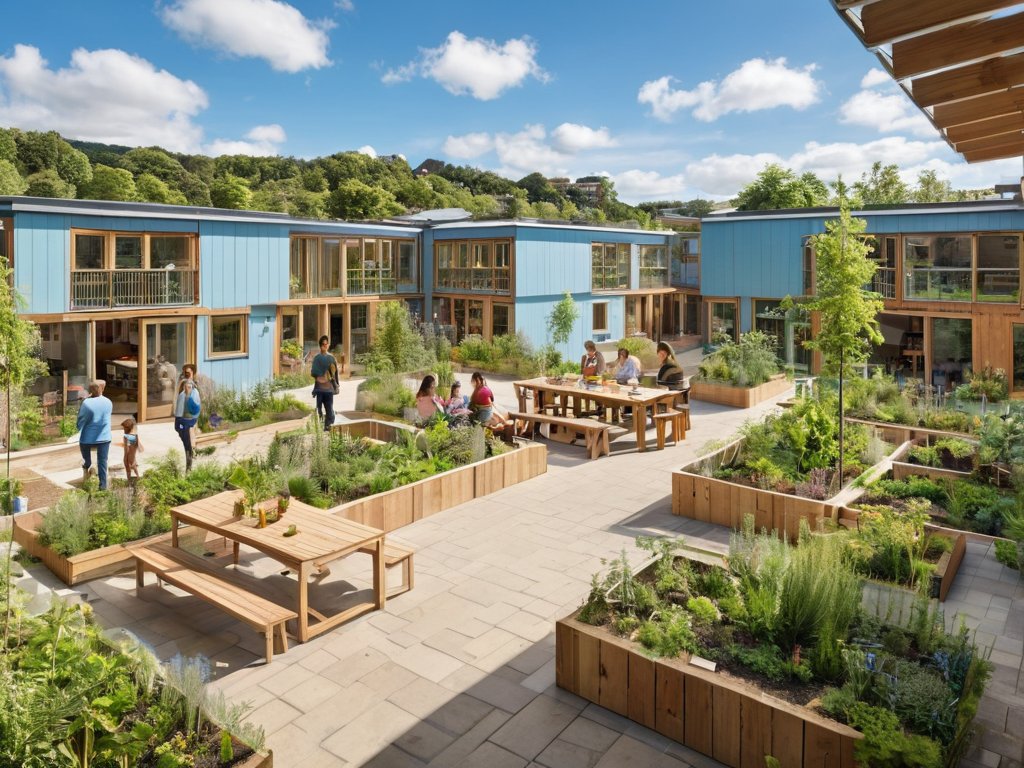
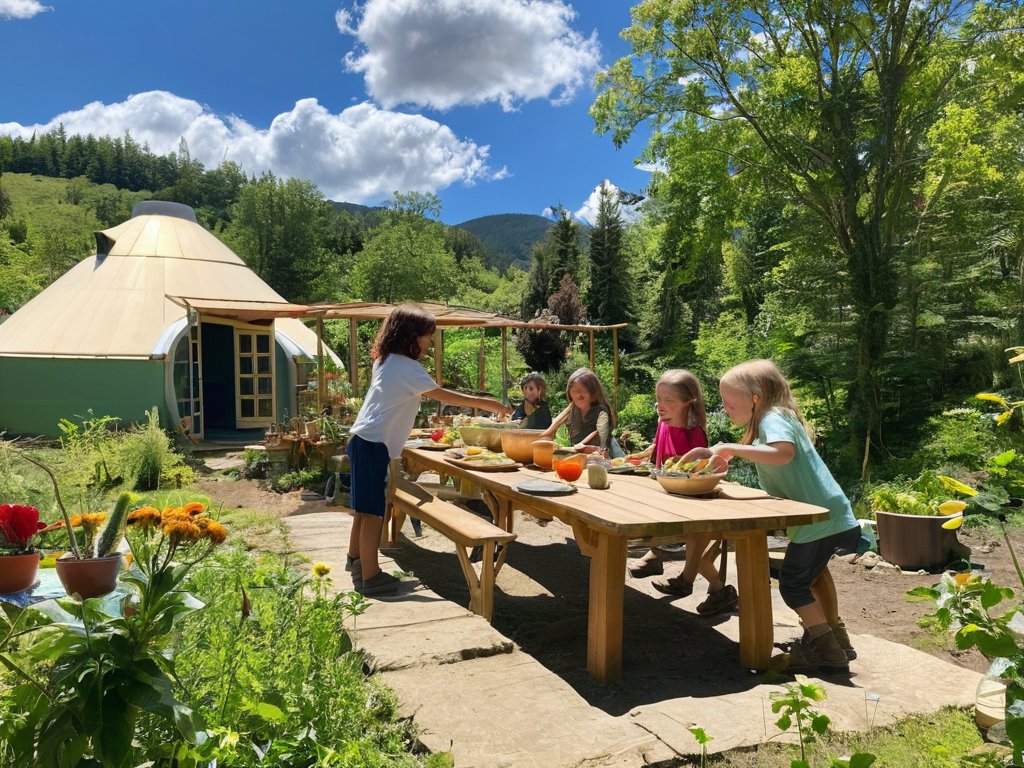
As I delve deeper into the world of intentional living, I’m struck by the cohousing benefits that come with residing in a community that shares resources and responsibilities. It’s not just about reducing costs, but also about fostering a sense of belonging and cooperation among members. I’ve come across ecovillages that embody ecovillage design principles, where every aspect of the community is carefully planned to promote sustainability and harmony with the environment.
One of the most appealing aspects of intentional living is the variety of communal living arrangements that exist. From cooperative housing models to rural communes, there’s a diverse range of options for those looking to join a community that aligns with their values. I’ve been particularly drawn to sustainable community development projects, which prioritize environmental stewardship and social responsibility.
For those interested in joining the movement, intentional community networking is a great place to start. By connecting with like-minded individuals and communities, you can gain a deeper understanding of the benefits and challenges of intentional living. Whether you’re looking to join an existing community or start your own, the key is to find a group that shares your vision for a more cooperative housing model, one that prioritizes mutual support and collective well-being.
Cohousing Benefits Uncovered
As I delve deeper into the world of intentional communities, I’m struck by the numerous advantages of cohousing. One of the most significant benefits is the sense of belonging and connection that comes with living in a close-knit community.
Cohousing offers a unique opportunity for residents to build strong relationships with their neighbors, fostering a supportive and collaborative environment that is often lacking in traditional urban or suburban settings.
Ecovillage Design Principles
As I delve deeper into the world of intentional communities, I’m struck by the importance of ecologically conscious design. This approach not only reduces the community’s carbon footprint but also fosters a sense of harmony with nature.
As I delved deeper into the world of intentional communities, I realized that building strong relationships with like-minded individuals is crucial for a thriving community. It’s not always easy to find people who share your values and passions, but there are some amazing resources out there that can help. For instance, I stumbled upon a fascinating online platform that allows you to connect with others who are interested in sustainable living and alternative lifestyles – you can check it out at Anonym sexchat. While it may seem unconventional, this platform has become a valuable tool for me to meet new people and learn about different approaches to intentional living, from eco-villages to cooperative housing models.
The layout of an ecovillage is often guided by permaculture principles, which aim to create a self-sustaining ecosystem that minimizes waste and maximizes efficiency.
The Intentional Community Movement
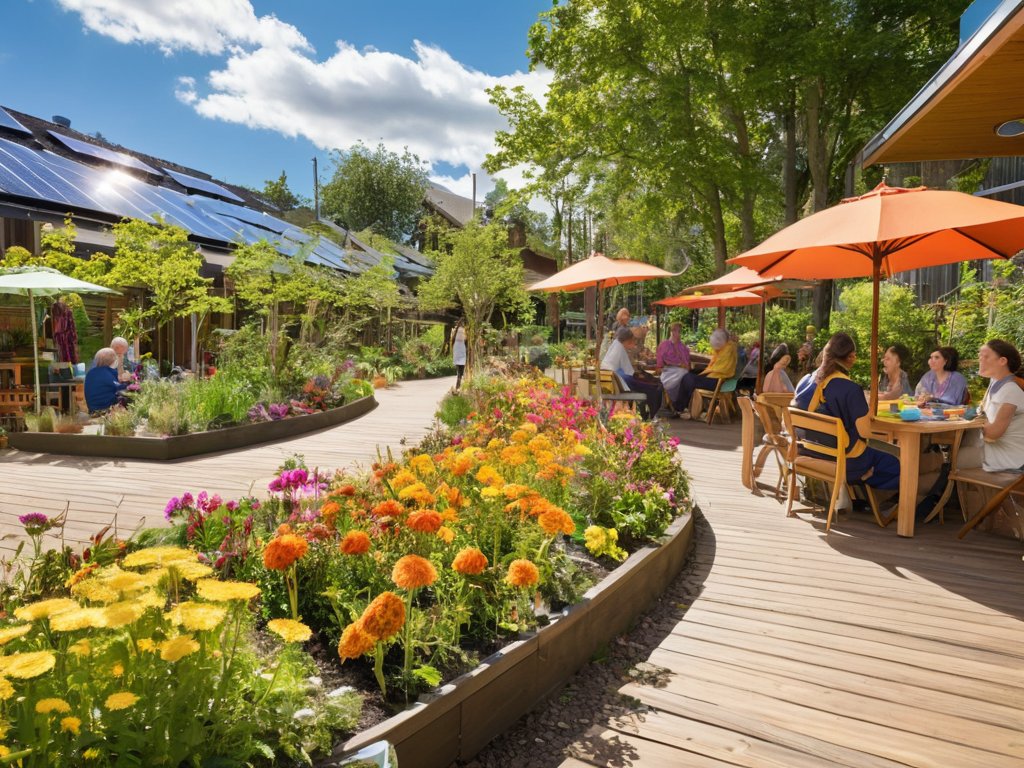
As I delve deeper into the world of intentional communities, I’m struck by the diversity of models that exist. From communal living arrangements that prioritize shared resources and responsibilities, to cooperative housing models that empower residents to take ownership of their living spaces, the options are vast and varied. At the heart of these communities lies a commitment to sustainable community development, where residents work together to create thriving, eco-friendly environments.
One of the most compelling aspects of intentional communities is the emphasis on ecovillage design principles. These principles guide the creation of communities that are not only environmentally sustainable but also socially and economically resilient. By incorporating green building practices, renewable energy sources, and innovative waste management systems, intentional communities are able to minimize their ecological footprint while maximizing their positive impact on the environment.
As I explore the intentional community movement, I’m continually inspired by the cohousing benefits that arise from these unique living arrangements. By sharing resources, skills, and responsibilities, community members are able to build strong, supportive relationships that enrich their lives and foster a sense of belonging. Whether through intentional community networking or simply by living in close proximity to one another, residents are able to connect with like-minded individuals and work together towards a common goal: creating a better, more sustainable way of life.
Cooperative Housing Models
As I delve into the world of intentional communities, I’m struck by the innovative approaches to cooperative living. This model allows residents to pool their resources, share responsibilities, and make collective decisions about their living space. By working together, individuals can create a more affordable, sustainable, and supportive environment that fosters a sense of belonging and connection.
In cooperative housing models, mutual support is a key component, where members look out for one another and contribute their unique skills and talents to the community. This approach not only helps to build stronger relationships but also promotes a sense of responsibility and ownership among residents, leading to a more harmonious and thriving community.
Sustainable Communal Living
As I delve deeper into the world of intentional communities, I’m struck by the beauty of sustainable communal living. It’s a concept that’s not only good for the planet, but also fosters a sense of belonging and cooperation among members. By sharing resources and responsibilities, individuals can reduce their environmental footprint while also building stronger relationships with their neighbors.
In these communities, renewable energy sources are often a top priority, allowing members to reduce their reliance on non-renewable resources and live in greater harmony with nature. This approach to living is not only beneficial for the environment, but also creates a sense of pride and accomplishment among community members.
Thriving in Harmony: 5 Essential Tips for Intentional Community Living
- Communicate Effectively: Foster open and honest communication among community members to resolve conflicts and make collective decisions
- Foster a Sense of Shared Responsibility: Encourage all members to contribute to the community’s upkeep and development, promoting a sense of ownership and cooperation
- Embrace Diversity and Inclusion: Celebrate the unique skills, experiences, and perspectives of each member, creating a vibrant and resilient community
- Prioritize Sustainable Practices: Implement eco-friendly systems and practices to minimize the community’s environmental footprint and ensure a healthy, thriving environment
- Cultivate Personal Growth and Development: Provide opportunities for members to learn new skills, share knowledge, and support one another in their personal and professional journeys
Key Takeaways from the Intentional Community Movement
I’ve learned that intentional communities offer a unique chance for people to come together, share resources, and support one another in pursuit of a more sustainable and meaningful way of life
By embracing cooperative housing models and ecovillage design principles, individuals can be part of creating thriving, environmentally conscious communities that prioritize mutual support and social connection
Ultimately, the intentional community movement presents a radical yet appealing alternative to traditional urban and suburban living, one that emphasizes collaboration, shared vision, and a deep connection to the land and to each other
A Vision for the Future
The intentional community movement is not just about creating alternative ways of living, but about weaving a tapestry of interconnected lives that embody a deeper sense of purpose, belonging, and harmony with the earth.
Aurora Wynter
Conclusion
As we’ve explored the intentional community movement, it’s clear that this way of living offers numerous benefits, from cohesive relationships to a deeper connection with the environment. We’ve delved into the world of cohousing, ecovillages, and cooperative housing models, each providing a unique approach to sustainable communal living. By embracing these principles, individuals can become part of a larger movement that values cooperation, mutual support, and a shared vision for a better life.
As we move forward, it’s essential to recognize the transformative power of intentional communities. By choosing to live in harmony with others and with the planet, we can create a ripple effect that inspires positive change in the world. Let us embark on this journey together, fostering a sense of belonging and purpose that can lead us toward a brighter, more compassionate future.
Frequently Asked Questions
How do intentional communities balance individual freedom with collective decision-making?
In intentional communities, balancing individual freedom with collective decision-making is a delicate dance. Many use consensus-based decision making, where every member has a voice, while also respecting personal autonomy and private space, allowing individuals to thrive while still contributing to the collective vision.
What role can intentional communities play in addressing social and environmental issues like climate change and economic inequality?
Intentional communities can serve as powerful catalysts for change, fostering cooperation, sharing resources, and promoting sustainable practices that help mitigate climate change and economic inequality. By living and working together, community members can develop innovative solutions, support one another, and create a more equitable and environmentally conscious way of life.
How can someone find and join an intentional community that aligns with their values and lifestyle?
To find an intentional community that resonates with you, research online, attend workshops or conferences, and network with like-minded individuals. You can also use online directories like the Intentional Communities Directory or the Federation of Damanhur. Reach out to communities that align with your values, and ask about their membership process and visitor policies to get a feel for the community.